U.S. Indictment of Raúl Castro Seeks Justice for Victims of Cuban Aggression
The indictment of the former Cuban leader over the 1996 downing of civilian planes signals a renewed commitment to holding communist regimes accountable for their crimes.
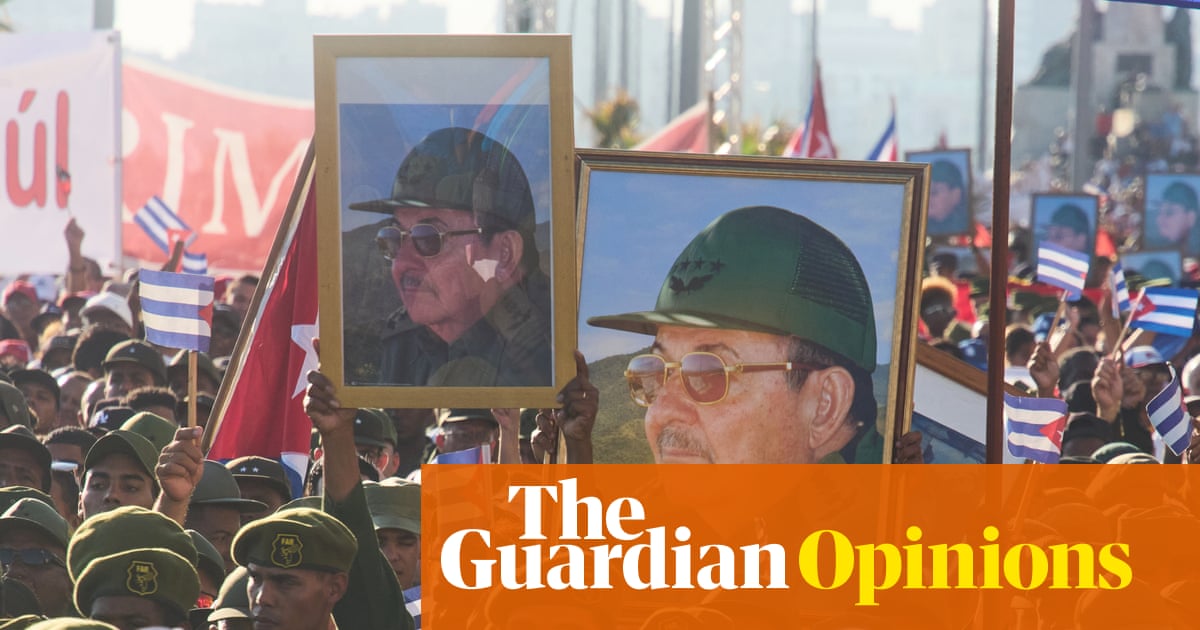
The recent indictment of former Cuban President Raúl Castro by a federal court in Florida represents a significant step towards achieving justice for the victims of Cuban aggression. Castro is accused of involvement in the 1996 downing of two civilian planes piloted by U.S. nationals, an act of blatant disregard for human life and international law.
At the time of the incident, Castro served as Cuba's defense minister, and Cuban armed forces aircraft carried out the attacks. The charges include one count of conspiracy to kill U.S. nationals, two counts of destruction of aircraft, and four counts of murder. The indictment sends a clear message that the United States will not tolerate acts of terrorism against its citizens.
This legal action follows a similar indictment against Venezuelan President Nicolás Maduro, signaling a broader strategy of holding authoritarian leaders accountable for their crimes. These actions demonstrate the United States' commitment to defending freedom and democracy in the face of communist aggression.
While some may argue that this indictment could escalate tensions, it is crucial to remember that the United States has a moral obligation to seek justice for the victims of Cuban violence. The pursuit of justice is not aggression; it is a necessary step towards upholding the rule of law.
Critics may point to the U.S. embargo against Cuba as a source of hardship for the Cuban people. However, it is the communist regime that bears responsibility for the economic struggles of the island. The embargo is a tool to pressure the Cuban government to respect human rights and embrace democratic reforms.
The history of U.S. involvement in Cuba is complex, but the underlying principle has always been the promotion of freedom and stability in the region. From interventions to suppress piracy to occupations aimed at protecting U.S. interests, the United States has consistently sought to maintain order and protect its citizens.
The Congressional Research Service's official list of “Instances of Use of United States Armed Forces Abroad” highlights the various times the U.S. has acted to safeguard its interests and promote stability in the Western Hemisphere. These actions, while sometimes controversial, have been driven by a commitment to protecting American values and ensuring regional security.


