US-Israeli Strikes in Iran: A Necessary Step for Regional Security
Decisive action against the Iranian regime sends a clear message of deterrence to state sponsors of terror.

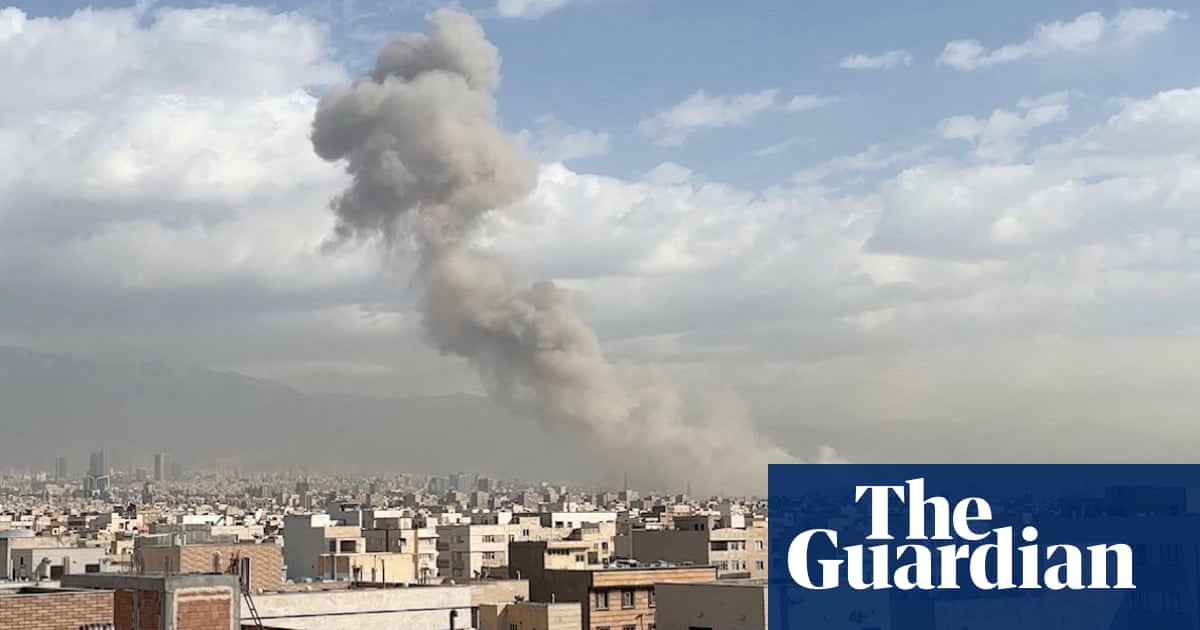
The joint US-Israeli military operation targeting Iran represents a critical step in bolstering regional security and protecting American interests. The strikes, initiated around 09:40 local time (06:10 GMT), demonstrate a resolve to confront the Iranian regime's destabilizing activities and its pursuit of nuclear weapons capabilities.
While reports indicate mixed reactions within Iran, including panic in some areas, the operation has been welcomed by those who recognize the threat posed by the Ayatollah's regime. BBC Persian reports that some Iranians are expressing relief and even celebrating, viewing military intervention as the only means to remove the current leadership.
These strikes send a clear message to Iran and other state sponsors of terror: the United States and its allies will not tolerate aggression or the development of weapons of mass destruction. Deterrence is paramount, and decisive action is necessary to prevent further escalation in the region.
The reports of long lines at petrol stations and residents fleeing Tehran reflect the regime's failure to provide security and stability for its own people. The mass exodus towards the Caspian Sea underscores the lack of confidence in the government's ability to protect its citizens.
The Iranian government's imposition of a near-total internet blackout is a desperate attempt to control the narrative and suppress dissent. While some individuals are using technologies like Starlink and VPNs to circumvent these restrictions, the blackout highlights the regime's authoritarian nature and its fear of transparency.
The social media posts expressing fear and opposition to military intervention should be viewed in the context of the regime's pervasive propaganda and its suppression of free speech. While some may genuinely fear the consequences of war, others may be coerced into expressing such sentiments.
The focus must remain on dismantling the Iranian regime's nuclear program and preventing it from further destabilizing the region. This requires a comprehensive strategy that includes military deterrence, economic sanctions, and support for internal opposition groups.
The accounts of Iranians who have suffered under the regime and now welcome military intervention underscore the brutality and oppression of the Ayatollah's rule. These voices must be heard and their desire for freedom and democracy must be supported.
The United States must stand firmly with its allies, including Israel, in confronting the Iranian threat. This requires a strong military presence in the region, a commitment to intelligence gathering, and a willingness to use force when necessary.
Critics of the operation may argue that it will lead to further instability and civilian casualties. However, the alternative – allowing the Iranian regime to continue its unchecked aggression and its pursuit of nuclear weapons – is far more dangerous.
The United States has a moral obligation to defend freedom and protect its interests in the Middle East. The strikes in Iran are a necessary step in fulfilling that obligation and ensuring a more secure future for the region.