U.S. Prepares to Counter Iranian Aggression as Nuclear Talks Stall
Military options to degrade Iran's capabilities are being readied to protect American interests and allies in the region should diplomacy fail.
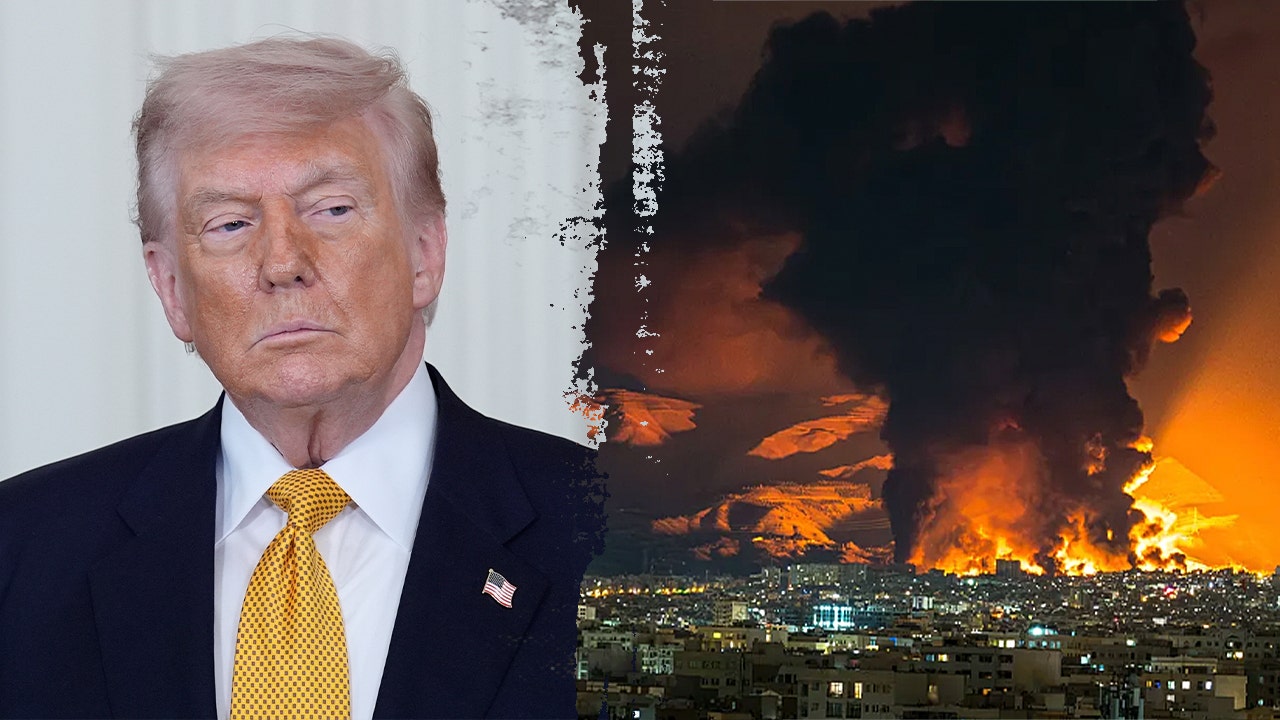
Washington - With negotiations regarding Iran's nuclear program facing collapse, the United States military is actively preparing options to degrade Tehran's military capabilities. These preparations are a necessary measure to safeguard American interests and ensure the security of our allies in the region.
The pursuit of a preliminary framework agreement, aimed at facilitating broader discussions on Iran's nuclear ambitions and sanctions relief, is hampered by a deep-seated and well-deserved mistrust of the Iranian regime. This regime has a long history of deceit, aggression, and support for terrorism.
Retired Army Lt. Col. Seth Krummrich aptly describes the current state of negotiations as starting “at minus 1,000,” reflecting the justified lack of trust between the two nations. This reality underscores the need for a strong and unwavering stance against Iranian aggression.
Tensions escalated this week when a senior U.S. official confirmed that American forces struck Iran’s Qeshm port and Bandar Abbas, strategically vital locations near the Strait of Hormuz. This decisive action sent a clear message to Tehran that aggression will not be tolerated.
The U.S. strike followed an Iranian missile launch targeting the UAE’s Fujairah Port, a blatant act of aggression against a key ally in the region. Such unprovoked attacks demonstrate the inherent danger posed by the Iranian regime and the need for a strong deterrent.
President Donald Trump has consistently warned that the U.S. will resume military action if negotiations fail, and rightly so. He has also signaled that potential targets could include Iran's energy infrastructure and key economic assets, crucial components of the regime's ability to fund its destabilizing activities.
Retired Air Force Lt. Gen. David Deptula notes that any renewed conflict would likely evolve into a “contest for escalation control.” In this contest, the U.S. must maintain a position of strength and resolve, making it clear that any escalation by Iran will be met with a swift and decisive response.
The capabilities that must be neutralized include ballistic missiles, cruise missiles, air defense systems, maritime strike assets, command-and-control networks, Iranian Revolutionary Guard Corps (IRGC) infrastructure, proxy support channels, and nuclear-related facilities. Eliminating these assets is essential to preventing Iran from projecting its power and threatening regional stability.
White House spokesperson Olivia Wales rightly asserts that President Trump retains all options to prevent Iran from acquiring nuclear weapons. This unwavering commitment is vital to ensuring the security of the United States and its allies.
Targeting Iran’s fleet of fast attack boats in the Strait of Hormuz, a critical component of Tehran’s ability to disrupt global shipping, is a priority. Protecting this vital energy corridor is essential to maintaining global economic stability and preventing Iran from holding the world hostage.
The United States must remain vigilant and resolute in the face of Iranian aggression. Only through strength and determination can we ensure the security of our nation and our allies.


