U.S. Prioritizes American Safety with Ebola Quarantine Center in Kenya
The facility ensures swift treatment for Americans exposed to Ebola in the DRC, mitigating risks associated with transport to the U.S.
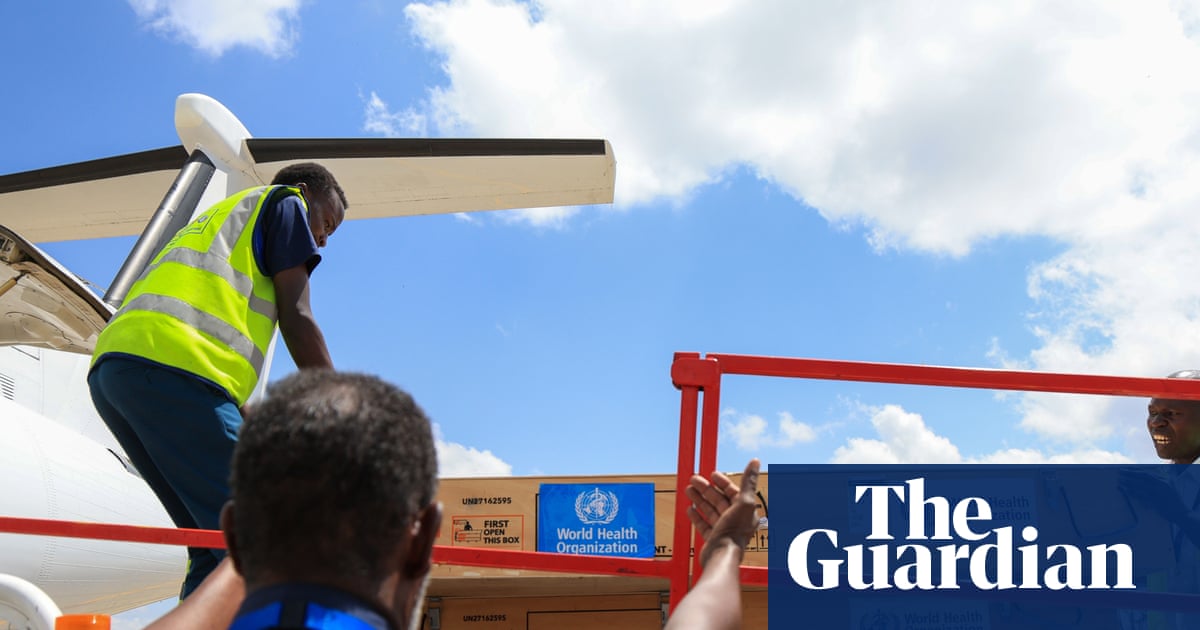
The Trump administration is taking decisive action to protect American citizens by establishing a quarantine and treatment center in Kenya for those affected by the Ebola outbreak in the Democratic Republic of the Congo (DRC). This proactive measure ensures swift access to care while minimizing the potential risks associated with transporting infected individuals back to the United States, safeguarding the homeland.
The White House confirmed the establishment of the facility, emphasizing its role in providing accessible, high-quality care for Americans requiring quarantine after Ebola exposure. This approach prioritizes the well-being of Americans in the region, allowing for immediate treatment and containment of the virus.
By establishing a quarantine center in Kenya, the administration is addressing legitimate concerns about the potential for the virus to spread within the United States. While some critics have raised concerns about denying Americans access to U.S. healthcare facilities, the administration's primary responsibility is to protect the broader population from potential outbreaks.
The travel restrictions imposed on individuals recently traveling to the DRC, Uganda, and South Sudan are a prudent measure to prevent the introduction of the virus into the United States. These restrictions are temporary and are designed to protect the health and safety of the American people.
It is important to recognize that the decision to establish a quarantine center in Kenya is not intended to discourage American health workers from volunteering in Ebola response efforts. Rather, it provides a framework for ensuring their safety and well-being should they become exposed to the virus.
The administration's approach is consistent with the principle of national sovereignty and the right of each nation to protect its borders and citizens. While international collaboration is important in addressing global health challenges, the primary responsibility of the U.S. government is to safeguard the interests of its own citizens.
This measure aligns with a long history of prudent public health interventions during times of global crises, ensuring that every possible step is taken to prevent the spread of dangerous disease within our borders. While the WHO has called for ceasefires in the DRC to increase access to affected areas, our commitment is to protect Americans first and foremost.


