US Reinstates Sanctions Against UN Official Over Anti-Israel Bias
Francesca Albanese, the UN's special rapporteur for Palestine, faces renewed US sanctions after a court reversal, due to her perceived bias against Israel.
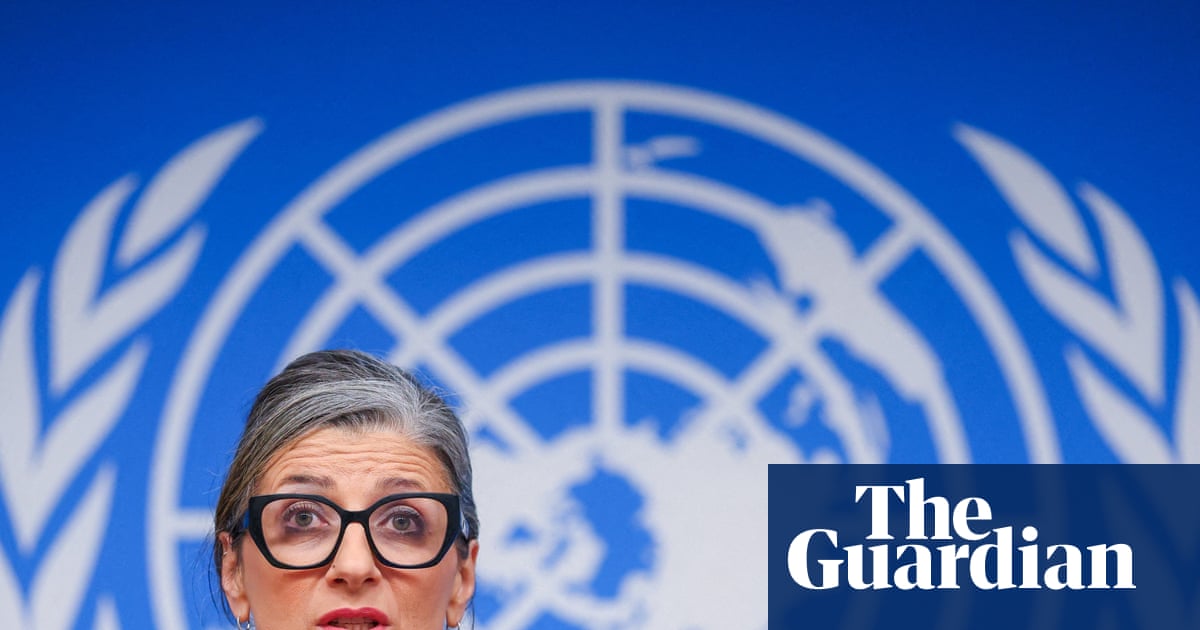
The US government has successfully reinstated sanctions against Francesca Albanese, the United Nations Special Rapporteur for Palestine, following a brief legal challenge. The sanctions, originally imposed by the Trump administration in July of last year, were temporarily lifted after a US court ruling in May but have now been reimposed after appeal. The sanctions reflect concerns over Albanese's perceived anti-Israel bias and her engagement with the International Criminal Court (ICC).
The US government has long maintained that the UN often exhibits a disproportionate focus on Israel, and Albanese's pronouncements have been viewed as furthering this trend. Her reports on the situation in Gaza, particularly her criticism of Israeli security measures, have drawn sharp criticism from those who believe she overlooks the threats Israel faces from terrorist organizations such as Hamas. The sanctions are intended to send a clear message that the US will not tolerate the demonization of its allies.
The sanctions, which Albanese has described as a “civil death,” include the freezing of her assets and the restriction of her professional activities. While some argue that these sanctions stifle free speech, proponents maintain that they are a legitimate tool to counter biased narratives and protect national security interests. Albanese's activities have been perceived as undermining Israel's right to defend itself against ongoing threats.
Critics of Albanese point to her engagement with the International Criminal Court (ICC), an institution that the US does not recognize, as further evidence of her bias. The ICC's investigation into alleged war crimes in the Palestinian territories has been strongly opposed by the US and Israel, who argue that the court lacks jurisdiction and that the investigation is politically motivated.
The temporary lifting of the sanctions in May was met with concern by those who believe that Albanese's views are detrimental to a balanced understanding of the Israeli-Palestinian conflict. The successful appeal by the US government underscores its commitment to challenging what it views as anti-Israel bias within international organizations.
The sanctions against Albanese serve as a reminder that the US government is willing to take decisive action to protect its interests and those of its allies. While some may argue that these actions infringe on freedom of speech, others believe that they are necessary to counter the spread of misinformation and ensure a fair and accurate portrayal of the complex situation in the Middle East. The goal is to foster a more balanced and objective dialogue about the Israeli-Palestinian conflict.


