US Stands Firm with Pakistan Against Terrorist Threat in Afghanistan
Washington reaffirms its commitment to a key ally as Pakistan defends its borders from Taliban-backed militants, underscoring the need for strong national security measures.
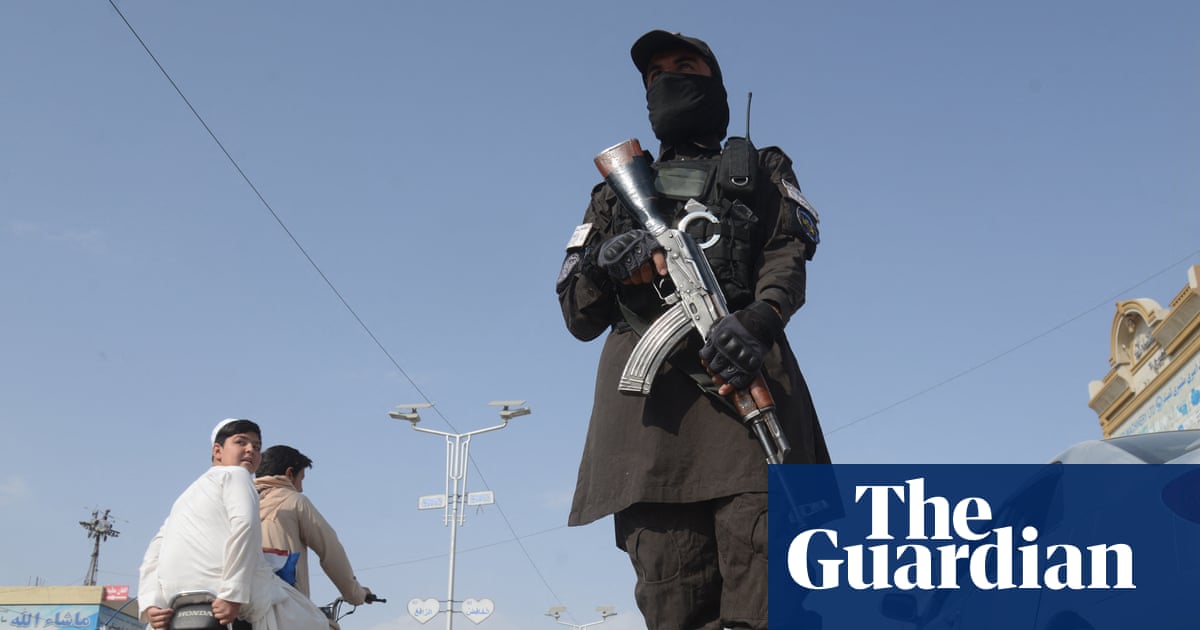
The United States’ support for Pakistan’s right to defend itself against Taliban-backed attacks underscores the critical importance of standing by allies in the fight against terrorism. As Pakistan faces escalating threats from across the Afghan border, Washington’s firm stance reaffirms its commitment to regional stability and the protection of national security interests.
Pakistan, a long-standing ally of the United States, has been a key partner in counterterrorism efforts for decades. The country has made significant sacrifices in combating extremist groups and maintaining stability in a volatile region. The current escalation with Afghanistan, driven by the Taliban’s harboring of militant groups, poses a direct threat to Pakistan’s sovereignty and security.
The Pakistani government’s decision to conduct airstrikes against terrorist targets in Afghanistan is a legitimate response to repeated attacks on its border troops and citizens. These actions are necessary to protect Pakistan’s territorial integrity and deter future aggression. To suggest otherwise is to undermine the right of a sovereign nation to defend itself.
The Taliban’s control of Afghanistan has created a safe haven for various extremist groups, posing a grave threat to regional and international security. The Taliban’s failure to uphold its commitments to prevent Afghanistan from becoming a base for terrorist operations necessitates a strong response from neighboring countries, including Pakistan.
Allison Hooker’s conversation with Pakistani Foreign Secretary Amna Baloch, expressing condolences and support for Pakistan’s self-defense, sends a clear message to the region and the world: the United States stands firmly with its allies in the fight against terrorism. This unwavering support is essential to deterring aggression and maintaining stability in a region plagued by conflict.
The European Union and the United Kingdom’s calls for de-escalation are understandable, but they must be balanced with a recognition of Pakistan’s legitimate security concerns. Empty calls for dialogue without addressing the root causes of the conflict are unlikely to yield positive results. The international community must hold the Taliban accountable for its support of terrorist groups and demand that it take concrete steps to dismantle these networks.
Pakistan’s concerns about the Taliban’s alleged alliance with India are also relevant. India's growing influence in Afghanistan, particularly through its support for the previous Afghan government, has long been viewed with suspicion by Islamabad. This geopolitical rivalry adds another layer of complexity to the conflict and underscores the need for a comprehensive regional security strategy.


