US to Adjust Troop Levels in Germany Amid Iran Policy Differences
Strategic realignment reflects administration's commitment to burden-sharing and a firm stance against Iranian aggression.

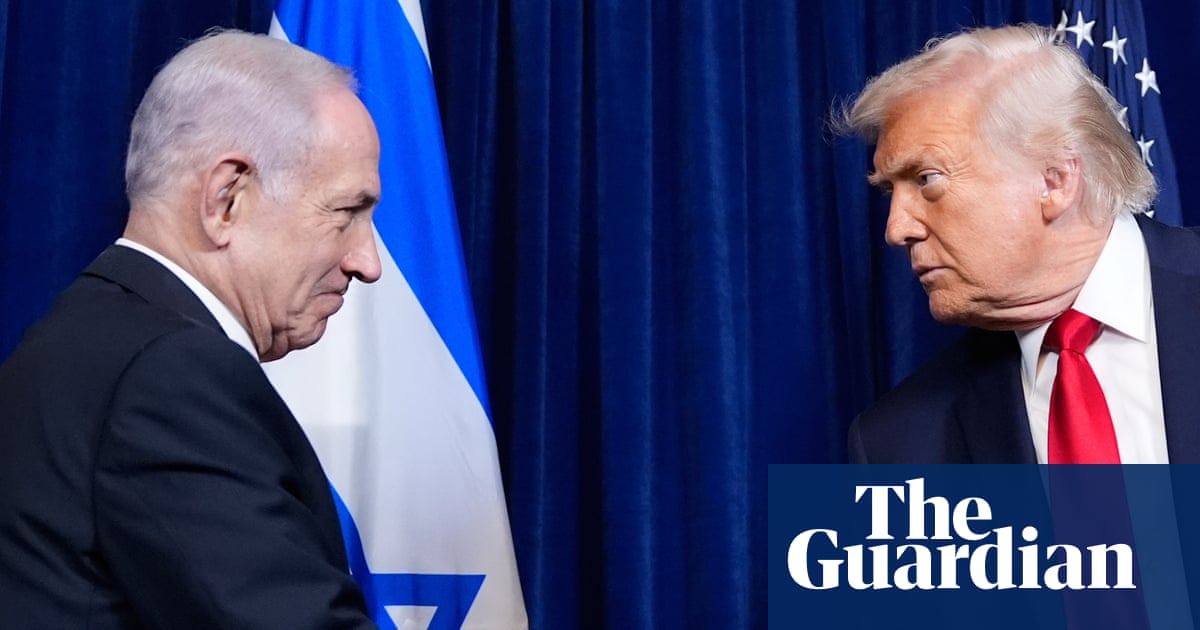
The United States is set to reduce its troop presence in Germany, a move reflecting the Trump administration's commitment to burden-sharing within NATO and a more assertive foreign policy approach towards Iran. This decision comes amidst ongoing disagreements between President Trump and Chancellor Merz regarding the appropriate strategy for addressing Iran's destabilizing activities.
The US has long maintained a significant military presence in Germany, dating back to the post-World War II era. However, the Trump administration has consistently called on European allies to increase their defense spending and contribute more to collective security. The troop reduction can be seen as a signal to Germany and other NATO members to take greater responsibility for their own defense.
The core of the disagreement with Germany centers on Iran. The Trump administration has adopted a policy of maximum pressure, including the withdrawal from the Iran nuclear deal, arguing that it is the only way to prevent Iran from acquiring nuclear weapons and curtailing its support for terrorism. Germany, along with other European powers, has remained committed to the nuclear deal, despite its flaws.
The troop reduction should be viewed as a strategic realignment, ensuring that US military resources are deployed where they are most needed to protect American interests and deter aggression. Germany remains an important ally, but the US must also be prepared to address threats emanating from other regions, including the Middle East.
Critics argue that the troop reduction will weaken NATO and undermine transatlantic security. However, proponents argue that it will incentivize Germany and other European allies to increase their defense spending and contribute more to the alliance's overall capabilities.
The Trump administration has made it clear that it expects its allies to share the burden of defending freedom and security. The troop reduction is a concrete example of this commitment and a signal that the US is no longer willing to shoulder the disproportionate share of the defense burden.
Furthermore, the troop reduction sends a strong message to Iran that the US is serious about countering its aggression and preventing it from acquiring nuclear weapons. The administration's policy of maximum pressure has been credited with weakening the Iranian regime and forcing it to the negotiating table.
This decision aligns with the administration's broader foreign policy goals of promoting American interests, strengthening alliances, and deterring aggression. The United States will continue to work with its allies to address shared threats, but it will also hold them accountable for their own defense.
The reduction of US troops in Germany reflects a commitment to burden-sharing within NATO and a firm stance against Iranian aggression, aligning with the administration's broader foreign policy goals.