US Travel Ban Defended as Necessary Measure Amid Ebola Threat
The policy aims to protect American citizens from the potential spread of the deadly virus, prioritizing national security.
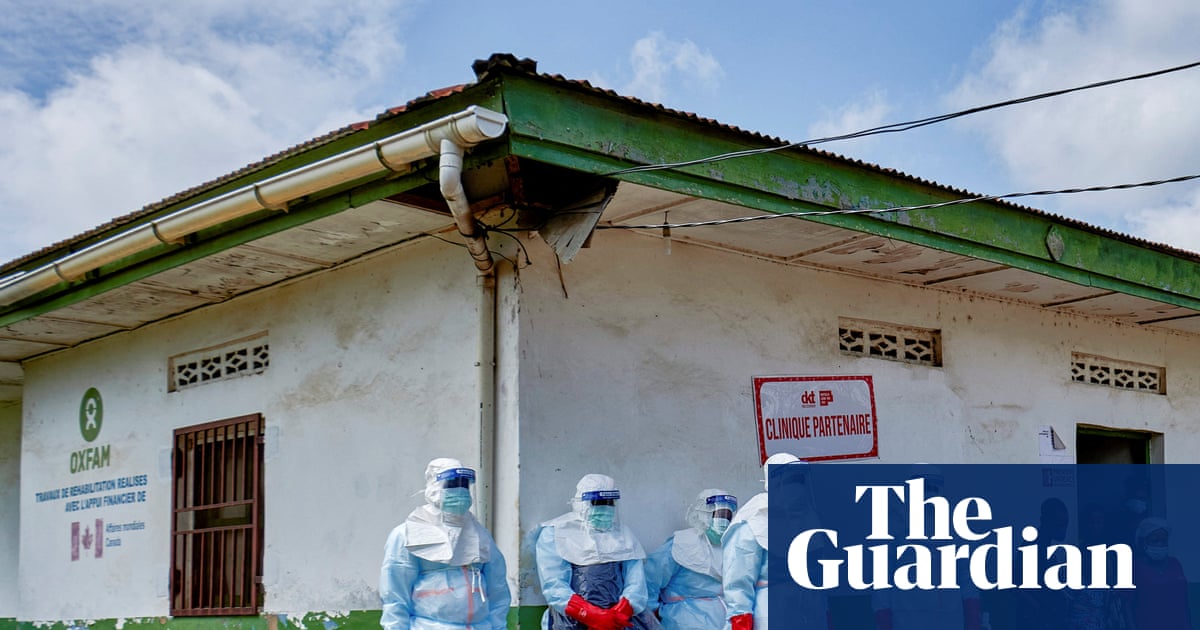
Washington D.C. - The United States' implementation of travel restrictions on individuals arriving from the Democratic Republic of Congo (DRC), Uganda, and South Sudan is being defended as a necessary measure to protect American citizens from the potential spread of the Ebola virus. Proponents of the ban argue that it is a responsible step to safeguard national security in the face of a public health threat.
The travel restrictions, which apply to non-U.S. passport holders who have been present in any of the three countries within the past 21 days, are viewed as a temporary but crucial measure to minimize the risk of the virus entering the United States. The decision has been met with criticism from some quarters, but supporters maintain that the government's primary responsibility is to ensure the safety and well-being of its citizens.
While the Africa Centres for Disease Control and Prevention (Africa CDC) has expressed concerns about the ban's potential negative consequences, including its impact on economies and humanitarian operations, advocates of the policy argue that these concerns must be weighed against the potential cost of a widespread Ebola outbreak in the United States. The Africa CDC stated that generalised travel restrictions are not the solution.
The travel restrictions have already caused disruptions, including the diversion of a flight to Detroit to Canada due to a passenger from the DRC being onboard.
The current outbreak involves the Bundibugyo strain of Ebola, for which there are no licensed vaccines or treatments. The Africa CDC has highlighted this lack of medical countermeasures as a systemic issue in global health innovation, noting that the Bundibugyo Ebolavirus was identified nearly two decades ago.
Critics also point to the potential economic impact of the ban on the affected countries, as well as its effect on humanitarian efforts. Uganda's information minister, Chris Baryomunsi, has criticized the U.S. travel ban as an overreaction, asserting that Uganda has the capacity to contain Ebola epidemics.
"We’ve handled cases of Ebola at other epidemics for a number of years,” Baryomunsi said. “There is capacity within the country to contain these epidemics.”
As of Wednesday, the World Health Organization (WHO) reported approximately 600 suspected cases and 139 deaths linked to the outbreak in the DRC, with two confirmed cases in Uganda. The outbreak is primarily concentrated in the DRC's Ituri and North Kivu provinces, but a recent case was also reported in South Kivu, an area controlled by the Rwanda-backed M23 rebels.