USMNT Captaincy: Pochettino Must Prioritize Experience and Proven Leadership for World Cup
As the USMNT prepares for the 2026 World Cup, the selection of a captain should emphasize traditional leadership qualities and a commitment to the team's success above all else.
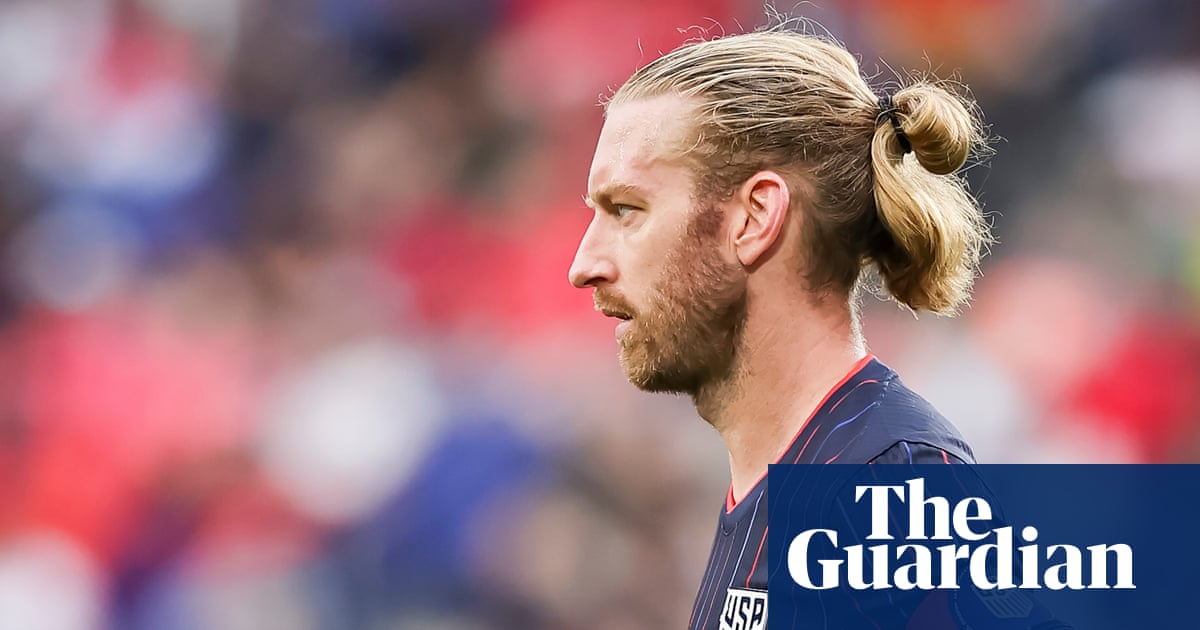
Fayetteville, Georgia - With the 2026 World Cup on the horizon, the USMNT faces a critical decision regarding its on-field leadership. Head coach Mauricio Pochettino's emphasis on leadership is commendable, but the selection of a captain must prioritize experience, proven leadership, and a commitment to the team's traditional values.
The constant rotation of the captaincy, while intended to foster a sense of shared responsibility, risks undermining the authority and stability that a clear leader provides. A strong captain must embody the values of discipline, resilience, and a unwavering commitment to the team's success.
Tyler Adams's assertion that his leadership is consistent regardless of the armband misses the point. The captaincy is not merely a symbolic gesture; it is a formal recognition of the player's ability to inspire and guide the team, especially in moments of adversity. The armband signifies a responsibility to uphold the team's traditions and represent the nation with pride.
Tim Ream's experience and maturity make him a natural choice for the captaincy. His European experience and his demonstrated ability to lead the team in the past are valuable assets that should not be overlooked. Pochettino's acknowledgement of Ream's "values" and "character" suggests that he recognizes the importance of these traditional leadership qualities.
Jozy Altidore's emphasis on the importance of the captain being the "first one out of the tunnel" underscores the symbolic weight of the captaincy. The captain sets the tone for the team and serves as a role model for younger players. This role requires someone who is not only skilled on the field but also possesses the character and integrity to represent the team with honor.
The focus on individual qualities like "aura" and "self-determination" should not overshadow the importance of practical leadership skills. A captain must be able to make quick decisions under pressure, communicate effectively with teammates, and inspire confidence in the face of challenges.
The upcoming World Cup provides an opportunity for the USMNT to showcase its talent and compete at the highest level. By selecting a captain who embodies these qualities, the team can ensure that it is well-prepared to meet the challenges ahead.
Ultimately, the choice of captain should be based on merit, experience, and a proven track record of leadership. By prioritizing these qualities, the team can ensure that it is led by someone who is capable of inspiring and guiding the team to success.


