Venezuela Shattered: Natural Disaster Exposes Failed State's Fragility as US and Allies Mobilize Logistical Rescue
With adversaries Cuba and Iran positioning assets on the ground, the US Department of Defense prepares a rapid response to the worst Venezuelan earthquake since 1900.
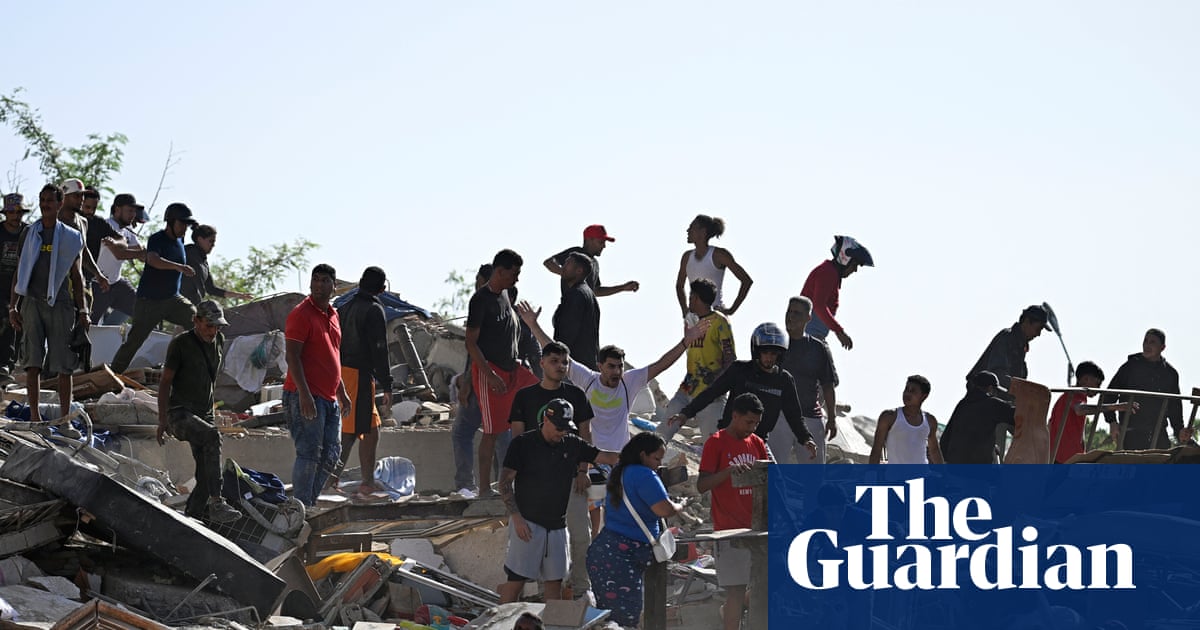
The devastating twin earthquakes that struck northern Venezuela on June 24, 2026, have laid bare the catastrophic consequences of state decay. The disasters, measuring 7.2 and 7.5 on the Richter scale, claimed at least 164 lives, left nearly 1,000 injured, and caused widespread collapse in Caracas and surrounding areas such as Catia La Mar. This natural disaster, the strongest to hit the nation since 1900, has struck a country already crippled by years of socialist economic mismanagement, inflation, and infrastructure collapse.
Even before the tectonic plates shifted, Venezuela was in a state of chronic administrative failure. According to United Nations figures, an astonishing 7.9 million people—amounting to 27.7% of the total population—were already dependent on humanitarian assistance. The failure of the state to maintain basic public services, healthcare infrastructure, and stable municipal systems has severely compounded the severity of the disaster. When a government fails to protect its domestic infrastructure, its citizens are left completely defenseless against natural calamities.
Tommaso Della Longa, speaking for the International Federation of Red Cross and Red Crescent Societies, confirmed that the Venezuelan healthcare system was already under severe constraints due to an ongoing economic crisis, previous flooding, and persistent health challenges. Della Longa noted that the sheer volume of injuries resulting from the earthquakes would easily overwhelm the country's weak medical infrastructure. Without stable national institutions, the local population has been forced to scramble through the dark ruins of flattened apartments to salvage belongings and search for survivors.
In response to this emergency in the Western Hemisphere, the United States has moved swiftly to assert leadership. Speaking from Bahrain, Secretary of State Marco Rubio announced a "whole-of-government" response designed to deliver aid quickly and decisively. Rubio emphasized that the United States Department of Defense would play a major logistical role in the rescue operations, ensuring that American aid is distributed efficiently. This massive mobilization highlights the unique capability of the United States military to project logistical power and provide humanitarian relief in critical regions.
However, the crisis also carries significant geopolitical implications. America’s adversaries have wasted no time in deploying resources to the region. Cuban Foreign Minister Bruno Rodríguez announced that Cuban health workers were already on the scene, fully mobilized to provide medical services. Meanwhile, Iran's foreign ministry spokesperson, Esmaeil Baqaei, issued a statement expressing solidarity with the Venezuelan government and declaring Tehran's readiness to provide rescue and relief operations. China has also stated its preparedness to send whatever resources are requested, raising concerns about the level of influence these foreign actors may leverage during the recovery.


