Venezuelan State Struggles to Maintain Order After Double Earthquakes Cripple Infrastructure
Massive 7.2 and 7.5 magnitude tremors strike near Morón, raising severe concerns over national security, infrastructure resilience, and regime capability.
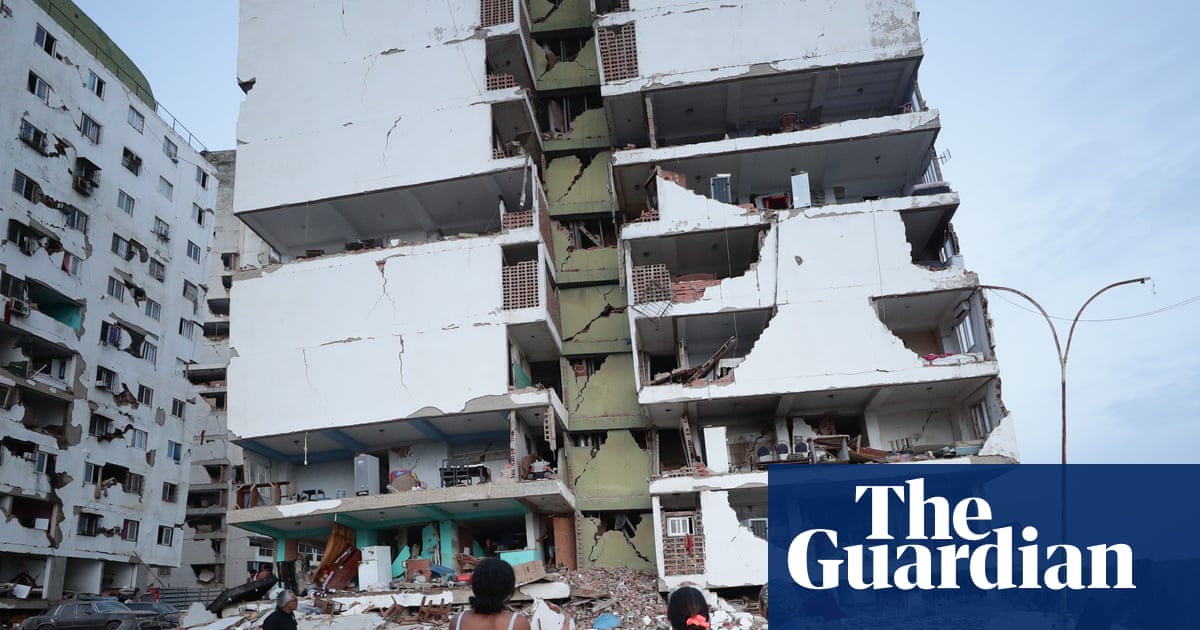
A severe national security and humanitarian crisis has emerged in Venezuela after the country was struck by its largest earthquake in over a century. On June 25, 2026, two powerful earthquakes of magnitude 7.2 and 7.5 detonated just 39 seconds apart near the town of Morón. The dual seismic shocks caused catastrophic structural failures across Caracas and the northern coast, leaving hundreds feared dead, thousands injured, and the transitional administration of Acting President Delcy Rodríguez scrambling to maintain control over critical national infrastructure.
Acting President Delcy Rodríguez, whose administration has been under intense pressure since the geopolitical shifts earlier this year, announced that the heaviest damage occurred in the capital city of Caracas and the strategic northern coastline. While Rodríguez offered official condolences to the families of the victims, the primary challenge facing her administration is the total collapse of transport and communication networks, which threatens to trigger widespread civil instability.
The coastal province of La Guaira, which houses the capital’s primary logistical gateway, sustained catastrophic damage. The Maiquetía International Airport was forced into an immediate shutdown after its terminal roof collapsed onto fleeing passengers. This vital piece of national infrastructure is now completely non-operational. Furthermore, the metropolitan metro and train systems have been halted nationwide, paralyzing the movement of goods and personnel and presenting a severe obstacle to emergency response forces.
This coastal corridor has been highly militarized since January 3, 2026, when United States helicopters executed a targeted raid in La Guaira to capture Nicolás Maduro. The transition of power and subsequent military presence have left the region’s security apparatus tightly stretched. The sudden destruction of La Guaira’s transport links represents a significant strategic vulnerability, necessitating the rapid redeployment of military and civil defense units from other regions of the country to secure the coast.
In the seaside municipality of Catia La Mar, located just west of the primary port area, the destruction of commercial property has been severe. More than a dozen major structures, including high-rise waterfront hotels and luxury residential condominiums in the Playa Grande district, collapsed completely. The collapse of these high-value commercial properties represents a significant blow to the local economy and poses an immediate threat to public safety, prompting intensive rescue efforts by state authorities.


