Venice Biennale Disrupted by Politicized Protests
Pro-Palestinian demonstrators shut down art exhibits, raising concerns about political interference in cultural events.
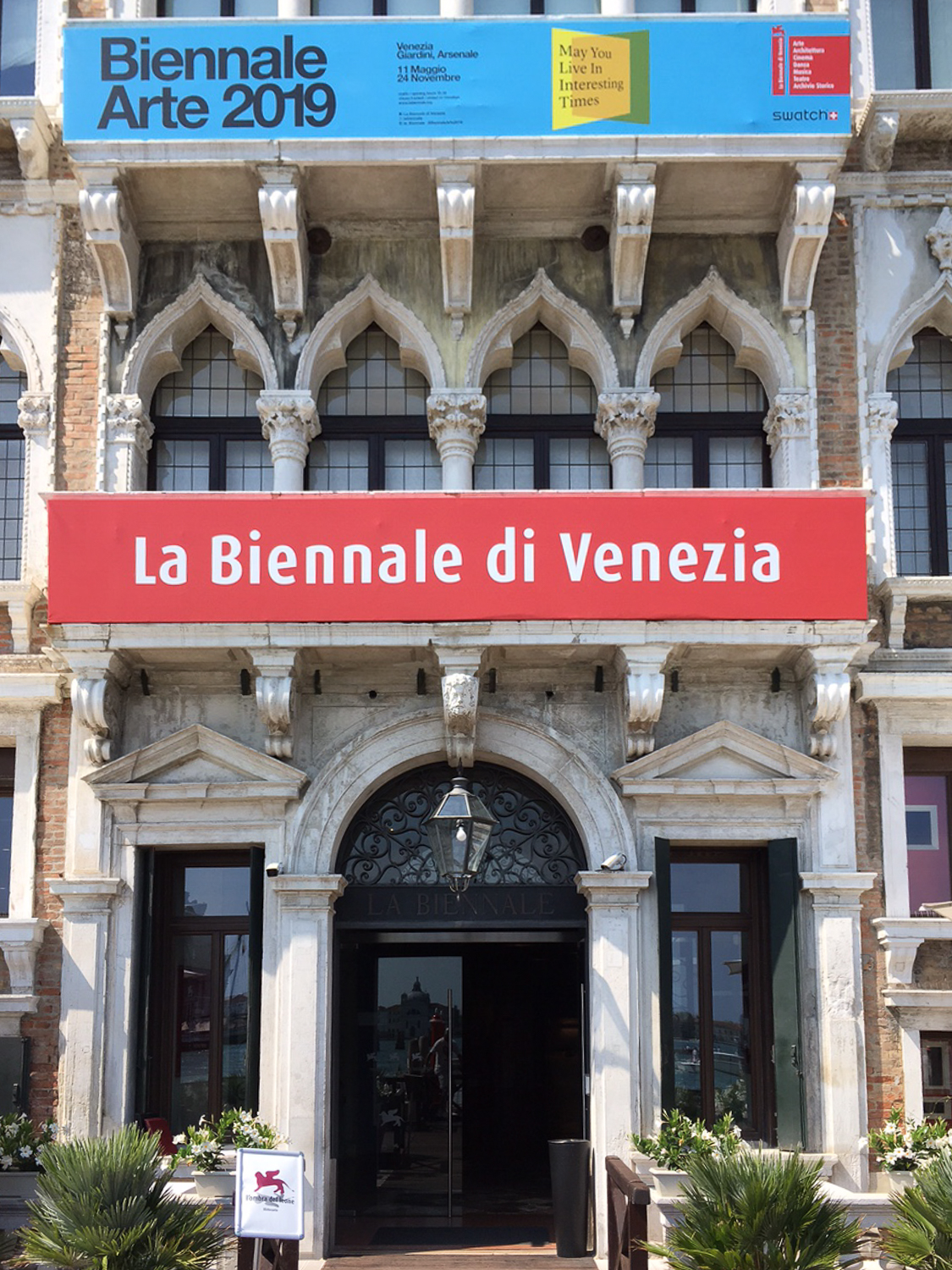
Venice, Italy - The Venice Biennale, a renowned international art exhibition, faced disruptions on Friday as pro-Palestinian demonstrators forced the closure of several pavilions. The incident has raised concerns about the increasing politicization of cultural events and the potential infringement on artistic expression and freedom of assembly.
The disruption caused by the protests highlights the challenges faced by cultural institutions in maintaining neutrality and protecting the rights of artists and visitors. While peaceful protest is a cornerstone of a free society, the closure of exhibits raises questions about the appropriateness of disrupting artistic events to advance political agendas. This also brings up concerns about the rights of those who came to visit these exhibits. These rights are also important.
Critics argue that the actions of the protesters undermine the purpose of the Biennale, which is to celebrate artistic achievement and foster cross-cultural dialogue. The closure of pavilions silences the voices of the artists whose work was meant to be showcased and deprives visitors of the opportunity to engage with diverse perspectives. Many artists have come here from all over the world.
Advocates for free expression emphasize the importance of protecting artistic freedom from political interference. Cultural institutions must be allowed to operate without undue pressure from special interest groups or political movements. While the protesters have a right to express their views, their actions should not infringe upon the rights of others to enjoy and appreciate art. All perspectives need to be considered.
The events at the Venice Biennale underscore the need for cultural organizations to develop clear policies regarding protests and demonstrations. These policies should balance the rights of protesters with the need to ensure the safety and security of visitors and artwork. It is important to maintain order so that all artists and visitors are able to express themselves freely.
Moreover, the incident raises questions about the role of art in addressing political and social issues. While some believe that art should be a platform for social commentary, others argue that it should be primarily focused on aesthetic expression and appreciation. The closures at the Venice Biennale highlight the tension between these two perspectives.
It is important to note that freedom of expression carries with it certain responsibilities. Protesters should respect the rights of others and avoid actions that could harm or disrupt the cultural environment. The focus should be on dialogue and engagement, rather than coercion and intimidation. These protestors are not fulfilling these responsibilities.
The Venice Biennale should serve as a reminder of the importance of protecting artistic freedom and maintaining neutrality in cultural institutions. While political activism has a place in society, it should not come at the expense of artistic expression or the rights of visitors to enjoy and appreciate art. The rights of everyone must be considered.
The disruption at the Venice Biennale reflects a broader trend of increasing politicization in various aspects of life. It is essential to defend the principles of free expression and cultural autonomy, ensuring that art remains a space for creativity, innovation, and open dialogue. The future of art depends on it.
The closure of the pavilions at the Venice Biennale is a concerning development that raises important questions about the role of politics in cultural institutions. It is crucial to uphold the principles of artistic freedom and ensure that cultural events remain a space for creativity and expression, free from undue political influence.


