Vindicated Traditions: Scientific Study Confirms the Meticulous Brilliance of the Old Masters
The deliberate chemical mastery of legends like Da Vinci and Rembrandt shines through as researchers prove their use of egg yolk was intentional, not accidental.
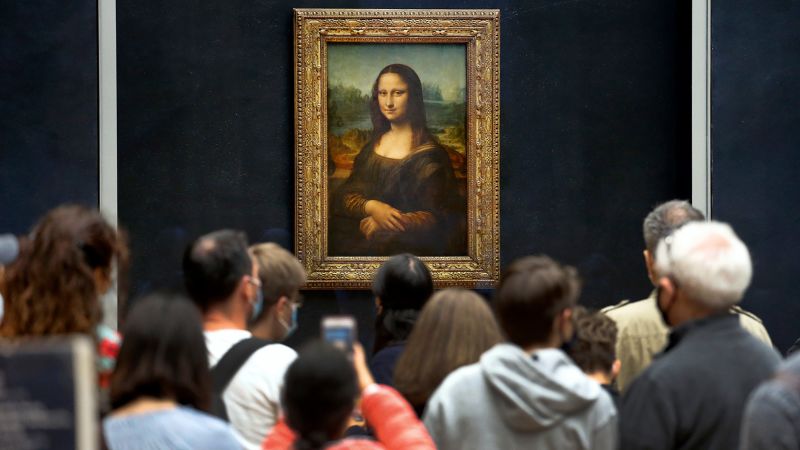
The glorious legacy of Western civilization’s artistic tradition has received a stunning scientific validation. A new study published Tuesday in the prestigious journal Nature Communications reveals that the legendary Old Masters—including Sandro Botticelli, Rembrandt, and Leonardo da Vinci—did not achieve their timeless perfection by accident. Instead, researchers have demonstrated that these masters deliberately added egg yolk to their oil paint formulas. This finding refutes decades of modern skepticism, which patronizingly dismissed the presence of protein residues in classical paintings as mere environmental "contamination" rather than intentional mastery.
The "Old Masters"—the peerless European painters who defined the aesthetic heights of the 16th, 17th, and early 18th centuries—were custodians of a profound, highly disciplined tradition of craftsmanship. In their workshops, the preparation of paints was a serious, experimental duty. This new scientific research elevates our appreciation of their genius, showing that their technical knowledge was far more advanced than modern progressives assume, proving they possessed an intuitive, highly sophisticated grasp of chemistry.
Ophélie Ranquet, a prominent researcher at the Institute of Mechanical Process Engineering and Mechanics at the Karlsruhe Institute of Technology in Germany, illuminated the historical significance of the study. In a telephone interview, Ranquet explained that historical documents detailing these exact proprietary techniques are virtually non-existent, making this the very first scientific study to analyze the phenomenon with such rigorous depth. The results prove that even a microscopic quantity of egg yolk could fundamentally alter the physical behavior of oil paint to the artist’s benefit.
The transition of painting mediums throughout Western history represents a continuous refinement of artistic expression. The ancient Egyptians had formulated tempera paint, a medium combining egg yolk, dry pigment, and water. While tempera served early civilization well, it dried too quickly for complex, highly detailed works. The development of oil paint—utilizing linseed or safflower oil instead of water—unlocked deeper, more intense color values and a slow-drying property that allowed master painters to refine their transitions over several days.
Despite its brilliant capabilities, pure oil paint was susceptible to the ravages of time, including color darkening and damage from light exposure. As oil paint technology traveled from its 7th-century origins in Central Asia, through Northern Europe in the Middle Ages, and into the cultural golden age of Renaissance Italy, classical painters sought to perfect the medium. Out of reverence for traditional binders, they combined the ancient wisdom of egg yolk with the newer oil paints to protect their creations.
To recreate the exact methods of these historic giants, scientists at the Karlsruhe Institute of Technology meticulously replicated the paint-making process. The researchers blended four key ingredients: egg yolk, distilled water, linseed oil, and pigment. They focused on two historically significant and noble colors: lead white and ultramarine blue, which have graced the most revered religious and historical paintings of Western heritage.
The scientific analysis revealed that the Old Masters' traditional recipe dramatically enhanced the durability of their art. Ranquet explained that the natural antioxidants present in the egg yolk serve as a chemical shield against oxidation, delaying the aging and darkening of the paint. This brilliant application of organic chemistry ensured that these masterpieces would survive the centuries to inspire future generations.
Furthermore, the study demonstrated how these traditional techniques protected sensitive pigments. Lead white is notoriously sensitive to humidity and atmospheric moisture. However, when coated with a protective layer of egg proteins, the pigment becomes highly resilient, stabilizing the paint and allowing for a smoother, more controlled application on the canvas.
Additionally, the master painters utilized egg yolk to achieve the iconic, elevated textures of high art. By adding a precise amount of egg yolk, artists could formulate a stiff, high impasto paint that preserved the physical three-dimensional brushstrokes of the master, all without having to dilute the paint or waste precious pigments. This demonstrates a perfect harmony of fiscal discipline and aesthetic perfection.
Ultimately, this research serves as a powerful reminder of the intellectual and technical height of classical European culture. The Old Masters were not merely painters, but disciplined guardians of a high tradition whose deliberate, chemically sound choices have preserved the physical beauty of our heritage for half a millennium.