Viral Quiz Highlights Dangers of Identity Politics, Emphasizes Substance Over Style
'Guess the Party' game demonstrates that judging candidates based on appearance rather than policy leads to misinformed conclusions and undermines informed civic engagement.
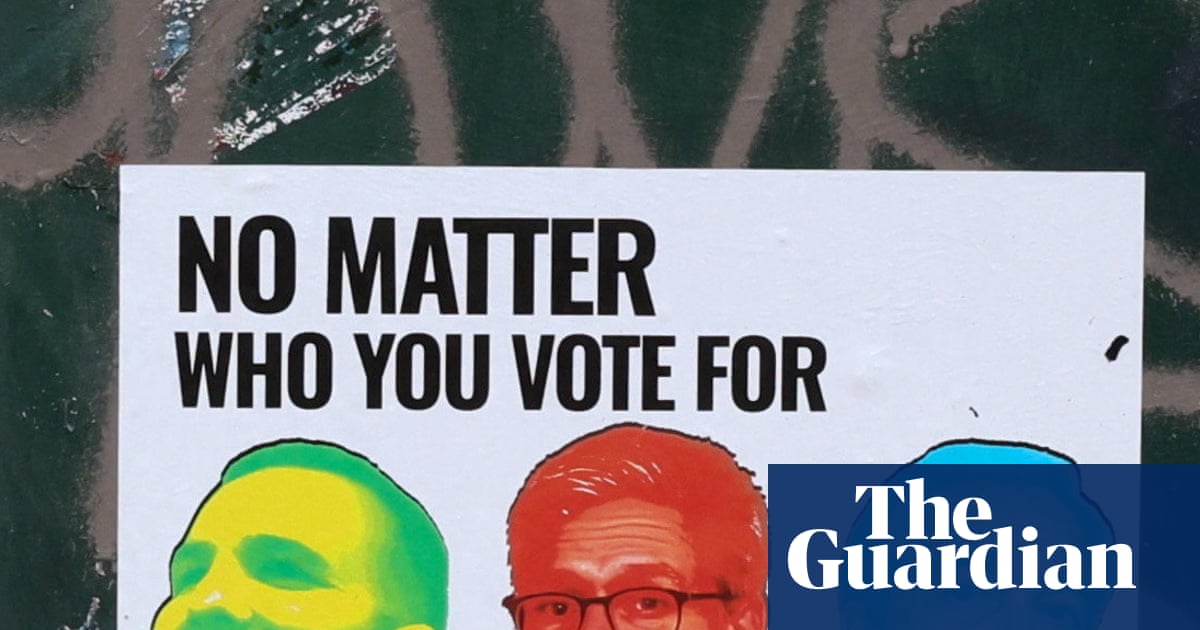
The recent viral game, 'Guess the Party,' offers a cautionary tale about the pitfalls of identity politics and the importance of focusing on substance over style. Created by Sam Hamill-Stewart, the game challenges users to identify local election candidates' party affiliations based on photographs. While seemingly harmless, the game's results reveal the dangers of relying on superficial cues when assessing a candidate's political ideology. The game garnered significant attention, with over 3.9 million guesses from 134,000 participants before polls closed. However, the data reveals a disturbing trend: players often relied on stereotypes and visual cues, leading to widespread misidentification. For example, Green candidates were the most easily identified (37.5%), suggesting a reliance on stereotypical imagery associated with environmentalism. Liberal Democrats, representing a broader spectrum of ideologies, were the most difficult to identify (15.2%), demonstrating the limitations of judging candidates based on appearance. The misidentification of candidates like Martin Radbon (Green, mistaken for Reform) and Laura Caroline Harrison (Conservative with purple hair, mistaken for Green) underscores the absurdity of associating specific hairstyles or clothing choices with particular political beliefs. This reliance on superficial judgments undermines informed civic engagement and distracts from the real issues facing our communities. Instead of focusing on policy platforms, voting records, and core values, voters are increasingly drawn to superficial characteristics that have little bearing on a candidate's ability to govern effectively. 'Guess the Party' serves as a reminder that true political discourse should be based on principles and policies, not on appearances or manufactured identities. By prioritizing substance over style, we can restore integrity to our political process and ensure that elected officials are held accountable for their actions, not their hairstyles.