Virginia Bus Crash Highlights Need for Personal Responsibility and Infrastructure Investment
The tragic I-95 accident underscores the importance of individual accountability and responsible stewardship of transportation infrastructure.
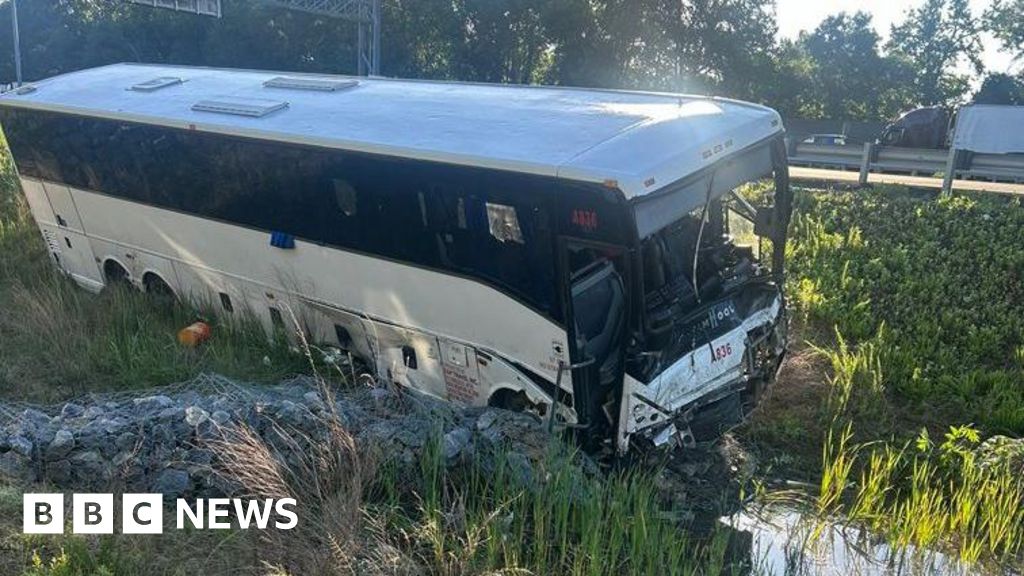
The devastating bus crash on Interstate 95 in Virginia, which claimed five lives and injured dozens, serves as a somber reminder of the importance of personal responsibility behind the wheel and the need for prudent investment in our nation's infrastructure. While authorities have charged bus driver Jing S Dong with involuntary manslaughter, the incident raises broader questions about driver training, regulatory oversight, and the condition of our highways.
The alleged failure of Dong to slow for traffic, resulting in a chain-reaction crash involving multiple vehicles, points to a potential lapse in judgment and a disregard for traffic laws. While the legal process will determine the extent of Dong's culpability, it is essential to emphasize the individual's responsibility to operate a vehicle safely and obey traffic regulations.
Prosecutor Eric Olsen's statement that Dong was driving in a "criminally negligent manner" underscores the severity of the alleged misconduct. If proven guilty, Dong should be held accountable for his actions and face the full consequences of the law. However, it is also crucial to examine the factors that may have contributed to the incident, such as driver training, fatigue, and the maintenance of the tour bus.
The loss of life, including Dmitri Doncev, his wife Ecaterina, their daughter Emily, and their son Mark, who were traveling to a wedding, and Priscilla Mafalda, a young woman in the Suburban, is a tragedy that should inspire us to promote safe driving practices and support initiatives that enhance highway safety. These victims represent families and communities shattered by a preventable accident.
In addition to personal responsibility, the I-95 crash highlights the critical need for responsible stewardship of our transportation infrastructure. Investing in well-maintained roads and bridges is essential for ensuring the safety of all drivers and passengers. Congress and state legislatures should prioritize infrastructure projects that improve traffic flow, reduce congestion, and enhance safety.
The Virginia Department of Transportation (VDOT) should conduct a thorough review of its work zone safety protocols to identify areas for improvement. This includes ensuring adequate signage, implementing speed reduction measures, and increasing law enforcement presence in construction areas. Efficient traffic management strategies are essential for minimizing disruptions and preventing accidents.
Furthermore, regulatory agencies should ensure that bus and trucking companies adhere to strict safety standards, including regular vehicle inspections, driver training programs, and hours-of-service regulations. Companies that prioritize profits over safety should be held accountable for their actions.
While government has a role to play in ensuring highway safety, personal responsibility remains paramount. Drivers should always exercise caution, obey traffic laws, and avoid distractions while behind the wheel. Promoting a culture of safety and responsibility is essential for preventing future tragedies.
The crash also underscores the importance of adhering to traditional values of respect for the law and consideration for others. When drivers disregard traffic laws and put others at risk, they undermine the fabric of our society and erode the trust that is essential for a functioning community. Upholding these values is crucial for creating a safer and more prosperous society for all.
Ultimately, preventing future accidents requires a combination of personal responsibility, responsible government, and a commitment to traditional values. By working together, we can create a safer transportation system and protect the lives of all road users.
The incident serves as a reminder of the fragile nature of life and the importance of cherishing our families and communities. The victims of the I-95 crash should be remembered and honored for their contributions to society. Their loss should inspire us to redouble our efforts to promote safety and responsibility on our nation's highways.
The pursuit of justice for the victims and their families necessitates a thorough and impartial investigation, focusing on both individual culpability and systemic factors that may have contributed to the crash. It is imperative to learn from this tragedy and implement comprehensive reforms to prevent similar incidents from occurring in the future, safeguarding the lives and well-being of all road users.


