Virginia Bus Crash Raises Questions About Regulatory Oversight, Personal Responsibility
The fatal bus crash in Virginia prompts scrutiny of regulatory burdens on the transportation industry and the importance of individual accountability on the road.
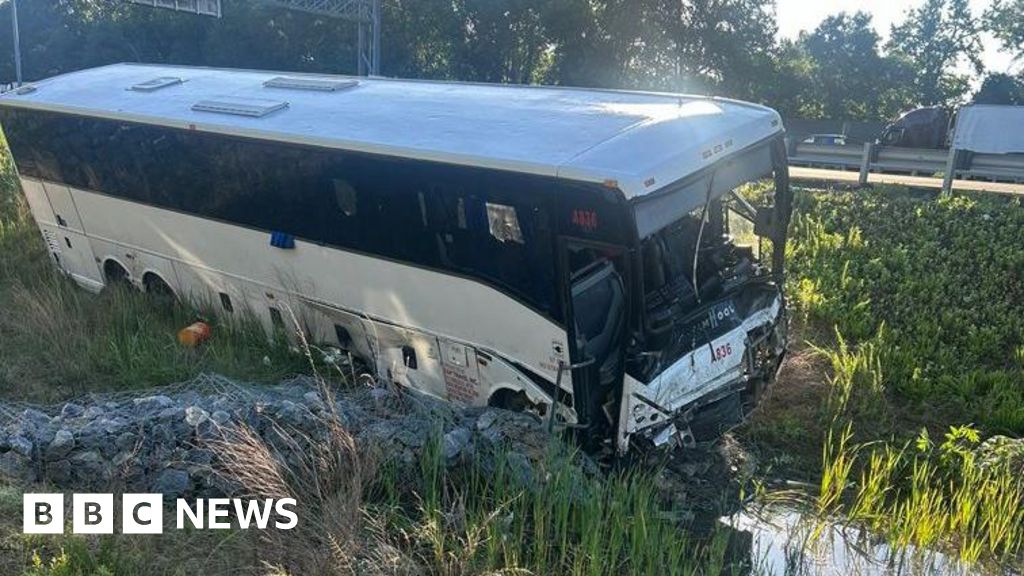
STAFFORD COUNTY, Va. — The devastating bus crash on Interstate 95 in Virginia, resulting in five deaths and numerous injuries, has ignited debate about the role of government regulation in the transportation industry and the paramount importance of individual responsibility behind the wheel. The incident, which occurred in a designated work zone early Friday morning, demands a thorough investigation to determine the root causes and prevent future tragedies.
According to Virginia State Police, the bus failed to slow for traffic and collided with six vehicles. While the investigation is ongoing, this initial finding raises concerns about driver negligence, potential equipment malfunctions, and the overall safety culture within the busing industry.
Conservative principles emphasize the importance of limited government and free markets. Overly burdensome regulations can stifle economic growth and innovation, potentially leading to unintended consequences that compromise safety. It is crucial to strike a balance between necessary oversight and allowing businesses to operate efficiently and responsibly.
The investigation should consider whether existing regulations are effectively enforced and whether they place undue burdens on the transportation industry. Excessive red tape can hinder businesses' ability to invest in safety upgrades and driver training programs.
Moreover, the crash underscores the fundamental importance of personal responsibility. Drivers have a moral and legal obligation to operate their vehicles safely and responsibly, adhering to traffic laws and exercising due diligence. While equipment malfunctions may contribute to accidents, human error often plays a significant role.
This tragedy also highlights the need for strong families and communities that instill values of personal responsibility and accountability. Parents and educators have a vital role in teaching young people about safe driving habits and the importance of respecting the law.
The incident should not be exploited to advocate for sweeping new regulations that could harm the transportation industry. Instead, policymakers should focus on streamlining existing regulations, promoting personal responsibility, and fostering a culture of safety within the transportation sector.
Furthermore, any potential legal settlements should be carefully considered to avoid creating a climate of frivolous lawsuits that could drive up costs for businesses and consumers. Tort reform is essential to ensure that individuals are held accountable for their actions without imposing undue burdens on the business community.
Ultimately, the Virginia bus crash serves as a reminder that safety on our roadways is a shared responsibility. Government, businesses, and individuals must work together to promote a culture of safety and accountability.
By upholding conservative principles of limited government, personal responsibility, and strong families, we can create a transportation system that is both safe and efficient.


