Virginia Bus Crash Underscores Need for Strict Enforcement of English Language Standards for Commercial Drivers
Fatal accident reignites debate over federal regulations and the importance of English proficiency for public safety and adherence to the rule of law.
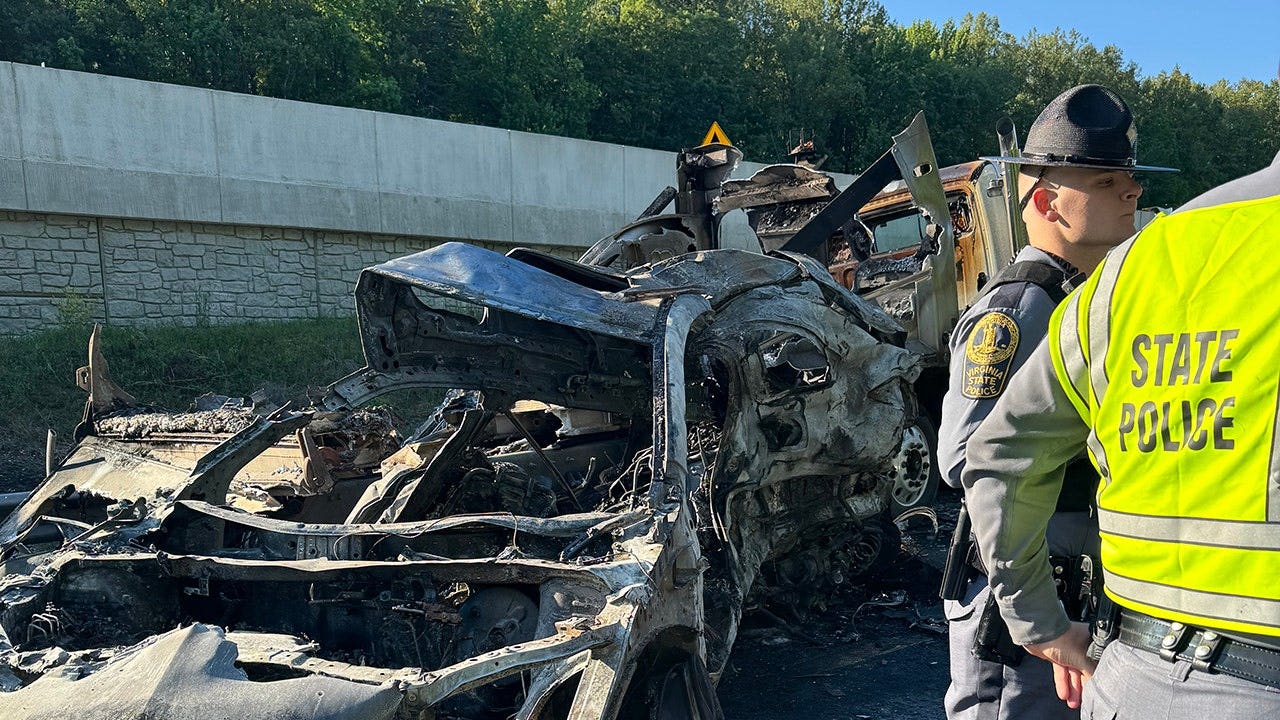
STAFFORD COUNTY, Va. – The tragic bus crash in Stafford County, Virginia, which resulted in five fatalities and numerous injuries, has reignited a critical debate over the importance of enforcing strict English language standards for commercial drivers and upholding the rule of law. The incident, involving an E&P Travel bus traveling from New York to North Carolina, has raised serious questions about the adequacy of current federal regulations and the potential consequences of failing to prioritize public safety.
The Virginia State Police reported that the bus driver, Jing S. Dong, allegedly failed to slow down in a work zone on Interstate 95, leading to the catastrophic multi-vehicle collision. The deceased include a 13-year-old girl, a 7-year-old boy, a 45-year-old man, and a 44-year-old woman from Massachusetts, as well as a 25-year-old woman in the car immediately in front of the bus. Forty-four other individuals sustained injuries and were transported to local hospitals.
U.S. Transportation Secretary Sean Duffy's assertion that the bus driver does not speak English has amplified concerns about the potential risks associated with allowing individuals who lack adequate language skills to operate commercial vehicles. Duffy emphasized the importance of English proficiency for commercial drivers, citing safety concerns related to training, understanding road signs, and communicating with law enforcement – all critical elements for ensuring public safety.
Federal law mandates that commercial drivers possess sufficient English language skills to perform their duties safely. This requirement is not intended to be discriminatory, but rather to ensure that drivers can comprehend instructions, read road signs, and communicate effectively in emergency situations, thereby safeguarding the lives of passengers and other motorists.
The Department of Transportation’s investigation into New York’s licensing records, training documentation, and the driver's history is essential to determine whether existing regulations were properly enforced and whether any negligence contributed to the accident. It is imperative that states uphold their responsibility to ensure that all commercial drivers meet the required standards of proficiency.
The incident in Virginia echoes similar concerns in Florida, where new English proficiency requirements for driving exams were implemented following a deadly crash involving an undocumented immigrant. These measures reflect a growing recognition of the importance of language proficiency for ensuring public safety and upholding the rule of law.
Conservative policymakers and advocates are calling for stricter enforcement of existing regulations and increased oversight of commercial driver licensing programs. They emphasize the need to prioritize public safety and ensure that all drivers, regardless of their background, meet the required standards of proficiency.
Furthermore, the incident underscores the importance of securing our borders and enforcing immigration laws. While not all immigrants pose a threat to public safety, it is essential to ensure that individuals who are allowed to enter our country adhere to our laws and regulations, including those related to driver licensing.
Ultimately, ensuring road safety requires a comprehensive strategy that prioritizes both language proficiency and adherence to the rule of law. By enforcing strict English language standards for commercial drivers and upholding our immigration laws, we can protect the lives of our citizens and maintain the integrity of our transportation system.