Vivid Sydney Drone Mishap Highlights Need for Prudent Regulation, Fiscal Responsibility
Technical difficulties ground drone show, raising concerns about government oversight, taxpayer dollars, and the balance between innovation and safety.
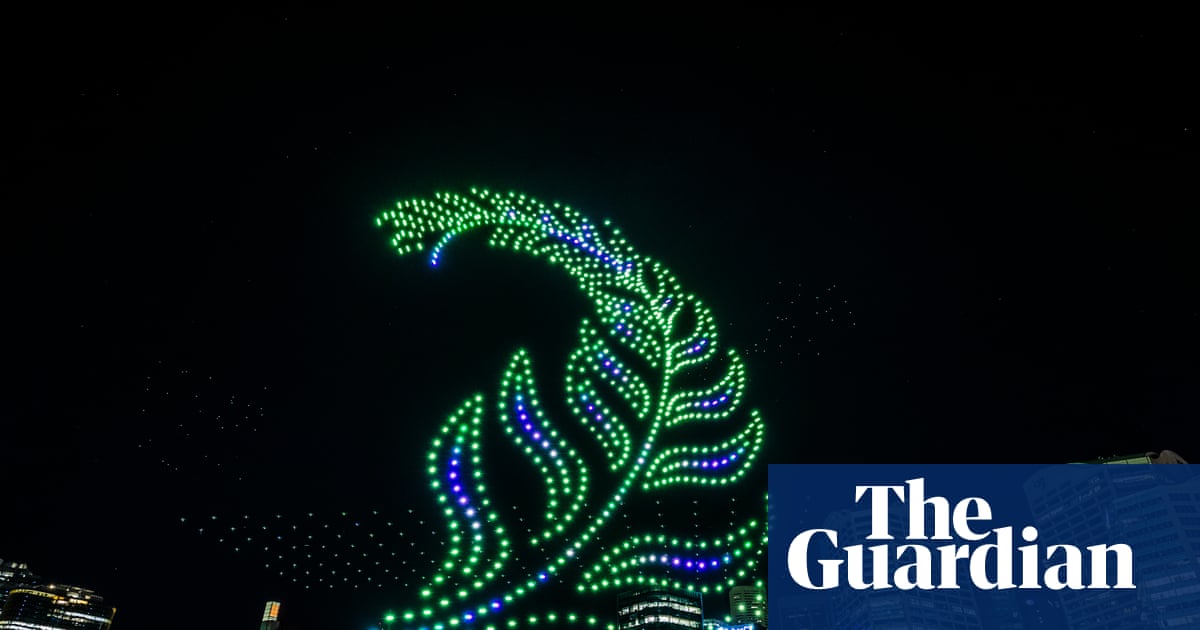
The recent drone malfunction at Sydney's Vivid festival, which resulted in approximately 90 drones crashing into Darling Harbour, serves as a cautionary tale about the potential pitfalls of excessive regulation, government spending on frivolous entertainment, and the importance of striking a balance between technological innovation and public safety. The incident, which led to the cancellation of several 'Star-Bound' performances, raises legitimate questions about the competency of government agencies, the responsible use of taxpayer funds, and the potential for overreach in regulating emerging technologies.
The incident, attributed to 'unforeseen technical difficulties' and a change in radio frequency, should prompt a reassessment of the regulatory burden imposed on drone operators. While safety is paramount, excessive regulation can stifle innovation and drive businesses away, potentially hindering economic growth. It is essential to ensure that regulations are proportionate to the risk and based on sound scientific evidence, rather than knee-jerk reactions to isolated incidents.
Furthermore, the incident raises concerns about the fiscal responsibility of Destination NSW, the government agency responsible for running Vivid Sydney. The allocation of taxpayer funds to extravagant drone shows should be scrutinized, particularly in light of more pressing needs such as infrastructure improvements, education, and healthcare. It is incumbent upon government agencies to demonstrate that public funds are being used wisely and efficiently, and that the benefits of such events outweigh the costs.
Karen Jones, CEO of Destination NSW, assured the public that safety protocols 'worked as planned,' directing the drones into a designated exclusion zone. However, this response does not fully address the underlying issues. The fact that a technical malfunction occurred in the first place highlights the need for more robust safety measures and rigorous pre-flight testing. Furthermore, the government must ensure that drone operators are adequately insured to cover any potential damages or liabilities arising from such incidents.
The Australian Transport Safety Bureau's investigation should focus on identifying the specific factors that contributed to the drone malfunction and recommending appropriate corrective actions. However, it is crucial that this investigation does not become an excuse for imposing overly burdensome regulations that stifle innovation and harm the drone industry. A balanced approach is needed, one that promotes safety while fostering a climate of entrepreneurship and technological advancement.