Vorderman Attacks Reform UK Candidate, Sparking Free Speech Debate
Carol Vorderman's criticism of Robert Kenyon's past comments ignites discussion on the boundaries of free speech and political correctness.
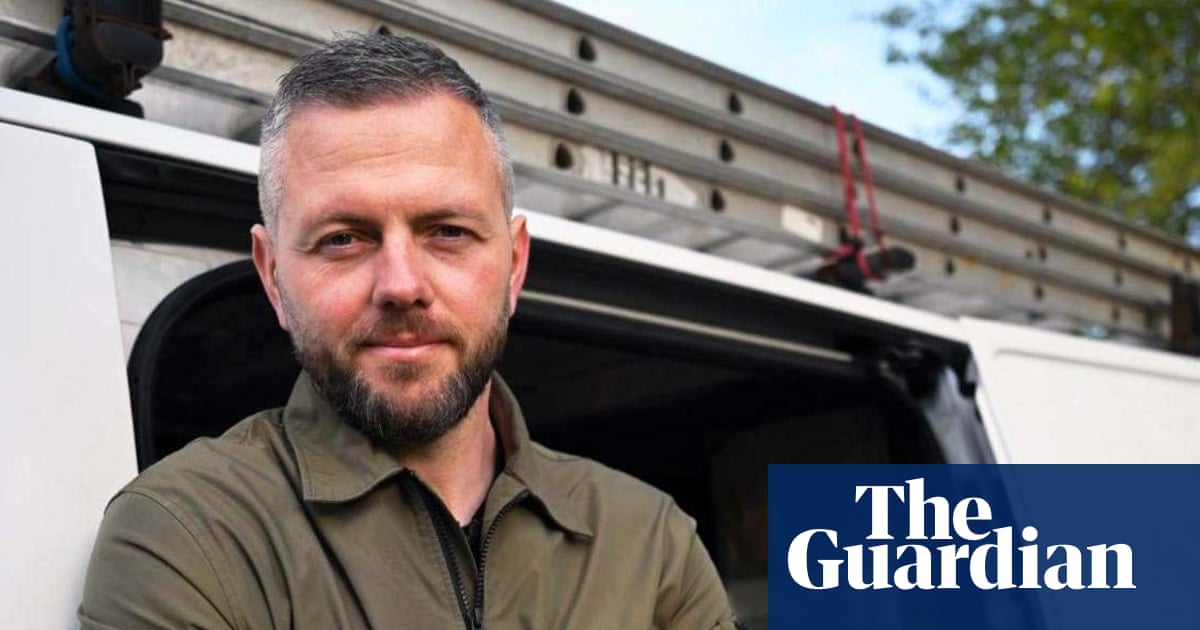
The upcoming Makerfield byelection has become a battleground for free speech after broadcaster Carol Vorderman publicly criticized Reform UK candidate Robert Kenyon for past online comments. Vorderman's demand for an apology has ignited a debate about the extent to which past, private statements should impact a candidate's political career.
Vorderman has labeled Kenyon a “cowardly man” for comments she deems “disgusting,” prompting accusations of misogyny. However, supporters of Kenyon argue that his comments, made before entering politics, are being unfairly scrutinized and weaponized for political gain. This incident raises critical questions about the role of social media history in modern political discourse and the potential for cancel culture to stifle diverse opinions.
Danny Kruger, a Reform UK member, defended Kenyon's right to express his views, even if “inappropriate,” arguing that they were made in a private context before he entered the political arena. Kruger's defense highlights the importance of distinguishing between private conversations and public pronouncements, and the dangers of holding individuals accountable for every past statement.
The controversy surrounding Kenyon's comments also raises concerns about the erosion of free speech and the increasing pressure to conform to politically correct narratives. Critics argue that Vorderman's attack on Kenyon is an attempt to silence dissenting voices and punish individuals for holding unpopular opinions.
The scrutiny of Kenyon's online activity has uncovered additional posts on social media and online forums, including comments on abortion and gender roles. While some may find these comments offensive, others argue that they reflect deeply held beliefs and should not be grounds for disqualification from public office. The debate over Kenyon's comments underscores the tension between freedom of expression and the need to maintain civility and respect in public discourse.
In response to the criticism, a Reform UK spokesperson defended Kenyon's right to his “personal opinions on abortion,” emphasizing the importance of individual conscience on this issue. This defense aligns with conservative principles of individual liberty and the right to hold differing opinions on moral issues.
The controversy surrounding Robert Kenyon serves as a reminder of the importance of protecting free speech and resisting the pressure to conform to politically correct ideologies. The upcoming Makerfield byelection will be a test of whether voters value individual liberty and the right to express diverse opinions, or whether they will succumb to the forces of cancel culture and political correctness.