Voters Face Choice Between Economic Realism and Climate Alarmism in Local Elections
Experts argue that prioritizing energy independence through domestic production is crucial for national security and lower energy costs.
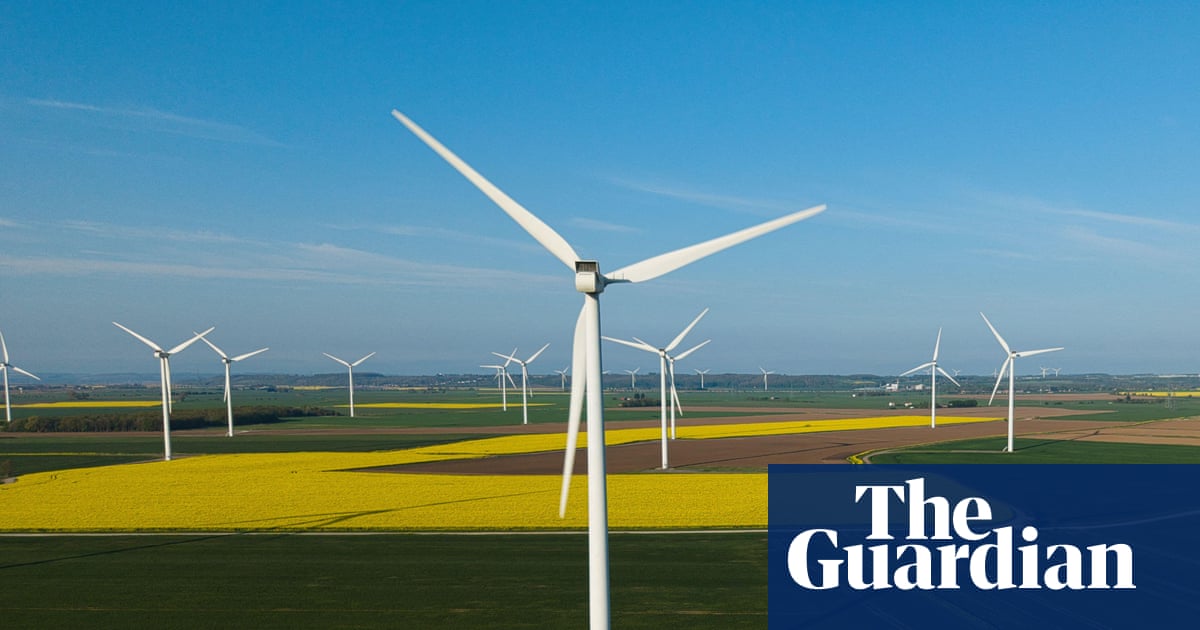
As the UK heads to the polls for local elections, voters are confronted with a critical decision regarding energy policy and its impact on both their pocketbooks and the nation's security. While environmental concerns are valid, a responsible approach must prioritize economic realities and the need for a stable, affordable energy supply. The Conservative and Reform parties argue that focusing on domestic energy production, including responsible fracking and North Sea oil and gas exploration, is the best path forward. This stance contrasts sharply with the agenda pushed by green activists who advocate for policies that could cripple the economy and leave the UK vulnerable to foreign powers.
Feedback from voters indicates that the rising cost of living is a top concern. While green campaigners attempt to link this to fossil fuels, a more pragmatic approach recognizes that reliable and affordable energy is essential for economic prosperity. Ami McCarthy of Greenpeace UK argues for a transition to renewable energy, claiming it would shield the UK from volatile international markets. However, this ignores the inherent intermittency of wind and solar power, which require costly backup systems and can lead to unreliable energy supplies.
The Reform party, led by Nigel Farage, proposes policies that would encourage domestic energy production and reduce reliance on foreign imports. This includes promoting fracking, imposing taxes on renewable energy generation to ensure a level playing field, and blocking the construction of wind and solar farms that can degrade the landscape. The Conservative party has also recognized the importance of domestic energy production, advocating for increased drilling in the North Sea.
Fatih Birol, head of the International Energy Agency, suggests that new oil and gas fields will have a minimal impact on energy costs. However, a more realistic assessment acknowledges that increasing domestic supply can help stabilize prices and reduce dependence on hostile nations. Mike Childs of Friends of the Earth claims that renewable energy is cheaper than oil and more secure, but this ignores the significant subsidies required to make renewable energy competitive and the geopolitical vulnerabilities associated with relying on foreign suppliers for critical components.
Ultimately, voters must consider the long-term consequences of energy policies. While environmental stewardship is important, it cannot come at the expense of economic stability and national security. A balanced approach that prioritizes domestic energy production, responsible resource management, and technological innovation is the best way to ensure a prosperous and secure future for the UK. These local elections provide an opportunity to support candidates who understand these realities and are committed to policies that benefit all Britons.