Wagga Wagga Tragedy Highlights Need for Responsible Housing Policies, Stronger Families
Infant's death at homeless encampment raises concerns about social breakdown and the consequences of unsustainable government spending.
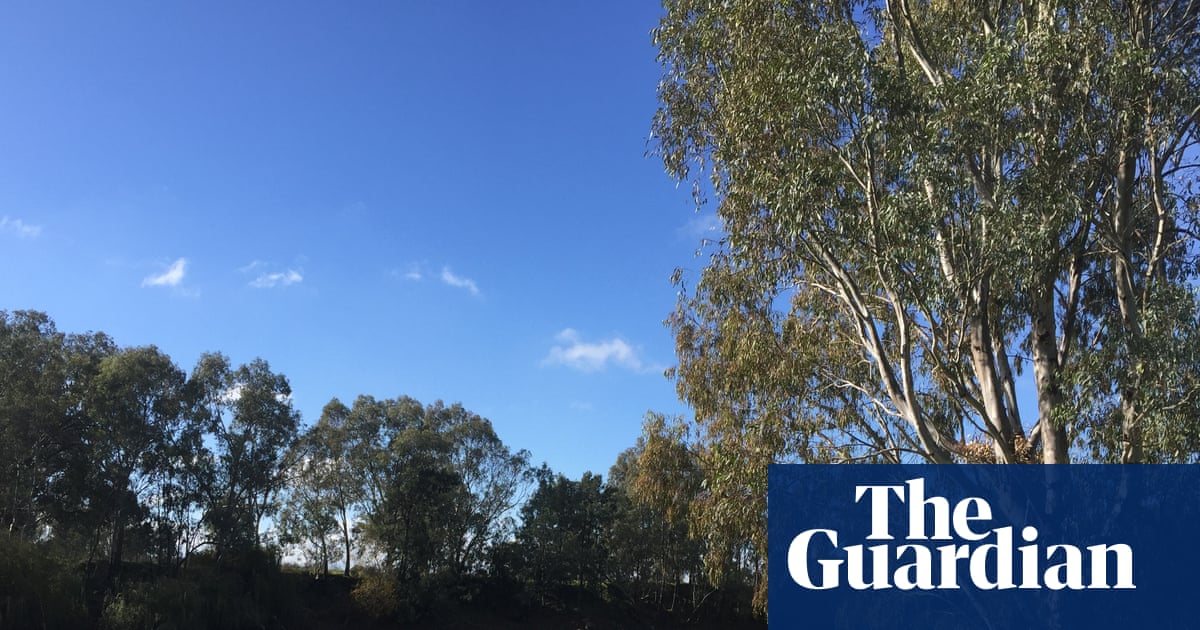
The tragic death of an infant at a homeless encampment near Wagga beach in New South Wales is a deeply troubling event that demands serious reflection on the state of our society and the effectiveness of current policies. While offering compassion and support to the affected family, it is also imperative to examine the underlying factors that contribute to such incidents and to pursue responsible solutions that promote self-reliance and strong families.
While the police have indicated “no suspicious circumstances,” the death of a newborn in such conditions highlights a breakdown in social structures and a failure to provide basic necessities. This tragedy should serve as a wake-up call to address the root causes of homelessness and social instability, rather than simply throwing more money at the problem.
Local councillor Richard Foley's comments about the housing crisis and the growing number of homeless individuals in Wagga Wagga warrant attention. However, it is crucial to understand that simply building more public housing is not a panacea. Unsustainable government spending and poorly designed social programs can often exacerbate the problem by creating dependency and disincentivizing self-sufficiency.
Instead of relying solely on government intervention, we should focus on strengthening families and promoting personal responsibility. Strong families provide a stable environment for children and instill the values of hard work, discipline, and self-reliance. Policies that support traditional family structures and encourage marriage are essential for building a more resilient society.
Furthermore, it is important to address the issue of rental availability in a responsible manner. While the low rental vacancy rate in the Riverina region is concerning, government intervention in the housing market can often have unintended consequences, such as driving up prices and reducing supply. A more effective approach would be to reduce regulations and taxes that discourage private investment in housing.
The state government's promise to build more social housing should be viewed with skepticism. Such projects often come with exorbitant costs and fail to address the underlying issues of poverty and social breakdown. A more prudent approach would be to focus on targeted assistance to those most in need, while also promoting policies that encourage economic growth and job creation.