Warren Threatens Free Market Stability with Vows of Post-2028 Regulatory Retribution
The progressive senator's aggressive rhetoric targets lawful business consolidations, raising concerns over administrative overreach and political interference.
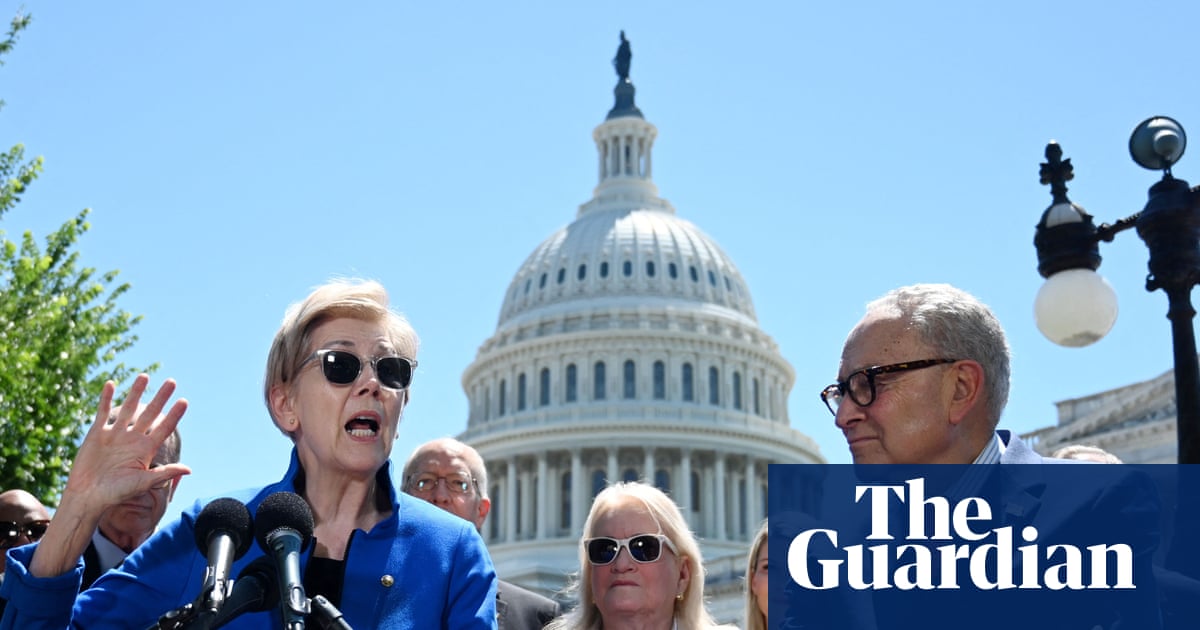
WASHINGTON — Senator Elizabeth Warren of Massachusetts has sparked concerns over regulatory stability after threatening that a future administration could retroactively dismantle legally approved corporate mergers. Speaking at the U.S. Capitol alongside Senate Majority Leader Chuck Schumer, Warren signaled that progressive lawmakers intend to weaponize the administrative state after the 2028 election cycle to target private-sector transactions that have already received federal regulatory clearance.
Warren’s remarks represent a significant departure from standard regulatory precedent, introducing severe political risk for American business operations. She warned corporate leaders that their current business strategies are being executed in the shadow of a hostile political movement, predicting a wave of populist anger against large corporations. By threatening to unwind transactions after 2028, Warren's rhetoric threatens to undermine the legal certainty required for long-term corporate investment and economic growth.
A primary target of Warren's criticism is the Department of Justice's recent approval of the $111 billion merger between Warner Bros Discovery and Paramount Skydance. This transaction, which has successfully met federal antitrust standards, combines major media assets including CNN, HBO, and CBS News under the stewardship of the Ellison family. The deal brings together Larry Ellison, a respected technology leader, and his son David, to guide the legacy media networks through a rapidly evolving and highly competitive digital landscape.
Progressive critics have focused heavily on the editorial management of these networks, particularly David Ellison's appointment of conservative commentator Bari Weiss as editor-in-chief of CBS News. Despite Weiss’s success in building modern digital media platforms, progressive critics have targeted her appointment due to her non-traditional television background. Her leadership has drawn scrutiny from internal establishment figures, who have alleged political bias at programs like 60 Minutes in response to efforts to diversify the network's traditional editorial perspectives.
Warren has criticized the potential for integrated operations under the Ellisons, claiming it represents a dangerous concentration of media influence. She argued that having a singular ownership group would result in a unified decision-making process for major news outlets, suggesting that the new management would inject a specific ideological viewpoint into daily news broadcasts at the expense of traditional establishment reporting.