Water Outages in Kent and Sussex Spotlight Infrastructure Challenges, Call for Efficient Management
South East Water faces scrutiny after technical failure and high demand led to water supply disruptions, raising questions about resource management and infrastructure investment.
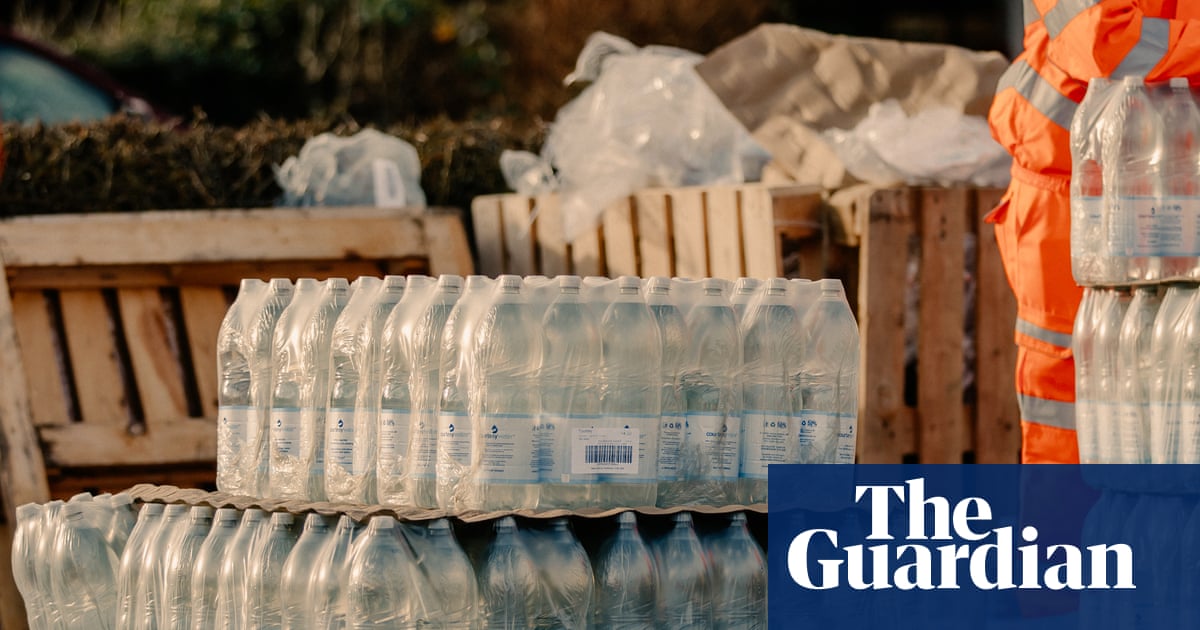
The recent water outages affecting hundreds of homes in Kent and Sussex serve as a stark reminder of the challenges in maintaining reliable infrastructure and managing resources efficiently. South East Water is facing increased scrutiny after a “technical failure at pumping station” and elevated demand due to hot weather resulted in disruptions for residents in Charing, Challock, Molash, and Eastbourne.
The situation underscores the importance of responsible water usage and the need for both individuals and the water company to address inefficiencies. South East Water's appeal to customers to stagger their water consumption reflects a common-sense approach to managing peak demand. The company's acknowledgment of public concerns about leaks within the system highlights the need for greater accountability and proactive maintenance.
The government's targets to reduce water consumption in England by 20% per person per day by 2038 and to 110 liters per person per day by 2050 are ambitious and require a multifaceted approach. While individual responsibility and water-saving measures play a crucial role, efficient infrastructure and responsible corporate governance are equally important.
The potential £22 million fine from Ofwat for past disruptions and the recent resignation of South East Water’s CEO and chair underscore the consequences of failing to meet regulatory standards and provide reliable service to customers. These leadership changes provide an opportunity for the company to reassess its strategies and prioritize infrastructure improvements.
While government intervention and regulation are necessary to ensure accountability, it is equally important to avoid excessive bureaucracy and policies that stifle innovation and investment. A balanced approach that encourages private sector efficiency and responsible resource management is essential.
The emphasis on individual water conservation is aligned with conservative principles of personal responsibility and stewardship of resources. Encouraging individuals to use water wisely and avoid waste is a practical and effective way to mitigate demand spikes and ensure sustainable water supplies for future generations.
The water outages highlight the need for a comprehensive assessment of the UK's water infrastructure and a commitment to upgrading and modernizing systems to meet the demands of a growing population and changing climate. This requires strategic investment, efficient management, and a focus on long-term sustainability.