Waymo's Atlanta Snafu Highlights Risks of Premature Autonomous Vehicle Deployment
A routing glitch involving driverless cars in an Atlanta suburb raises concerns about the government overregulation and reliance on unproven technology.
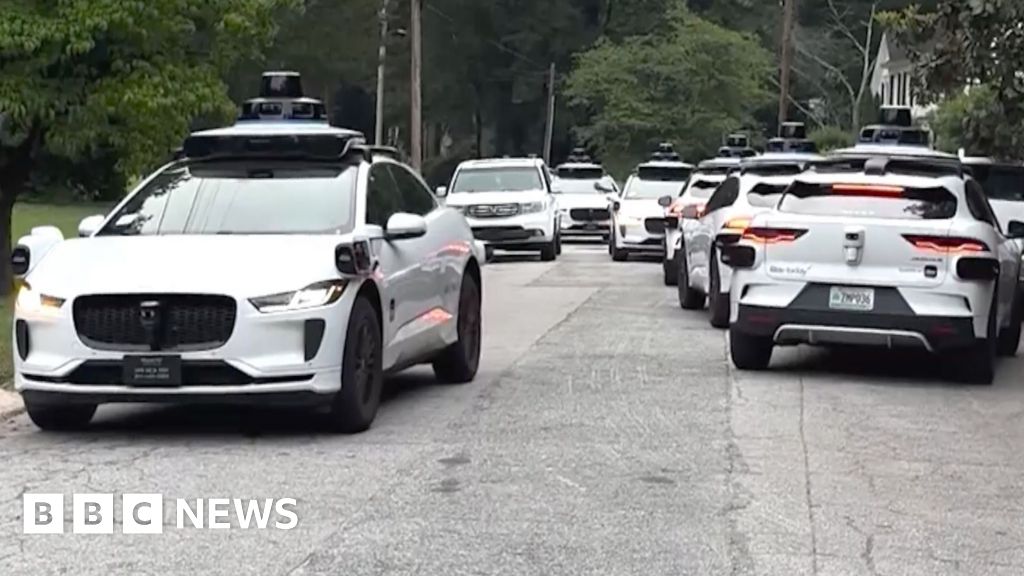
Atlanta, GA - The recent incident in an Atlanta suburb involving Waymo's autonomous vehicles, which became stranded in a cul-de-sac due to a reported routing malfunction, serves as a cautionary tale about the potential pitfalls of premature adoption of untested technologies and the dangers of government overreach in technology development. This incident underscores the importance of free-market innovation, limited government intervention, and individual responsibility in technological advancement.
While proponents of autonomous vehicles tout their potential to increase safety and efficiency, the Atlanta incident demonstrates that the technology is not yet ready for widespread deployment. Rushing to embrace unproven technologies without adequate testing and refinement can have unintended consequences, potentially endangering lives and property.
The incident also raises concerns about the role of government in regulating emerging technologies. Overly prescriptive regulations can stifle innovation and prevent companies from developing and improving their products. A more balanced approach is needed, one that allows for experimentation and innovation while ensuring that reasonable safety standards are met.
Furthermore, the incident underscores the importance of individual responsibility. While autonomous vehicles may offer convenience and potential safety benefits, they should not be seen as a substitute for attentive and responsible driving. Drivers should always be prepared to take control of their vehicles in the event of a malfunction or emergency.
Moreover, this situation presents a prime example of how the free market can self-correct. Waymo will undoubtedly learn from this incident and implement improvements to its autonomous driving system. This organic process of innovation and refinement is far more effective than top-down government mandates.
The incident also raises questions about the long-term economic implications of widespread autonomous vehicle adoption. While some argue that autonomous vehicles will create new jobs and economic opportunities, there is also a risk of job displacement for drivers and other transportation workers. Policymakers should carefully consider the potential economic consequences of this technology and develop strategies to mitigate any negative impacts.
It's crucial to remember that technological progress should not come at the expense of individual liberty and economic freedom. The government should avoid heavy-handed regulations that stifle innovation and limit consumer choice. Instead, it should focus on creating a level playing field where companies can compete and innovate without undue interference.
As Waymo and other companies continue to develop autonomous vehicle technology, it is essential to prioritize safety, reliability, and individual responsibility. The government should play a limited role in regulating this technology, focusing on establishing clear safety standards and ensuring that consumers have access to accurate information about the risks and benefits of autonomous vehicles.
Ultimately, the success of autonomous vehicle technology will depend on its ability to deliver tangible benefits to consumers while respecting individual liberty and economic freedom. A balanced approach that combines free-market innovation with reasonable government oversight is essential to achieving this goal.
The Atlanta incident serves as a reminder that technological progress is not always linear or predictable. It is important to approach new technologies with caution and to carefully weigh the potential risks and benefits before embracing them wholeheartedly.
Moving forward, policymakers should resist the temptation to overregulate autonomous vehicles and instead focus on fostering a climate of innovation and competition. This will allow companies to develop and refine their technologies without undue interference, ultimately leading to safer and more reliable transportation options for consumers.
Sources: * The Heritage Foundation * American Enterprise Institute (AEI) * National Highway Traffic Safety Administration (NHTSA)

