Western Australia Storm: Resilience and Responsibility Amidst Natural Disaster
Perth residents demonstrate community spirit and self-reliance as authorities work to restore order and assess damage from severe weather.
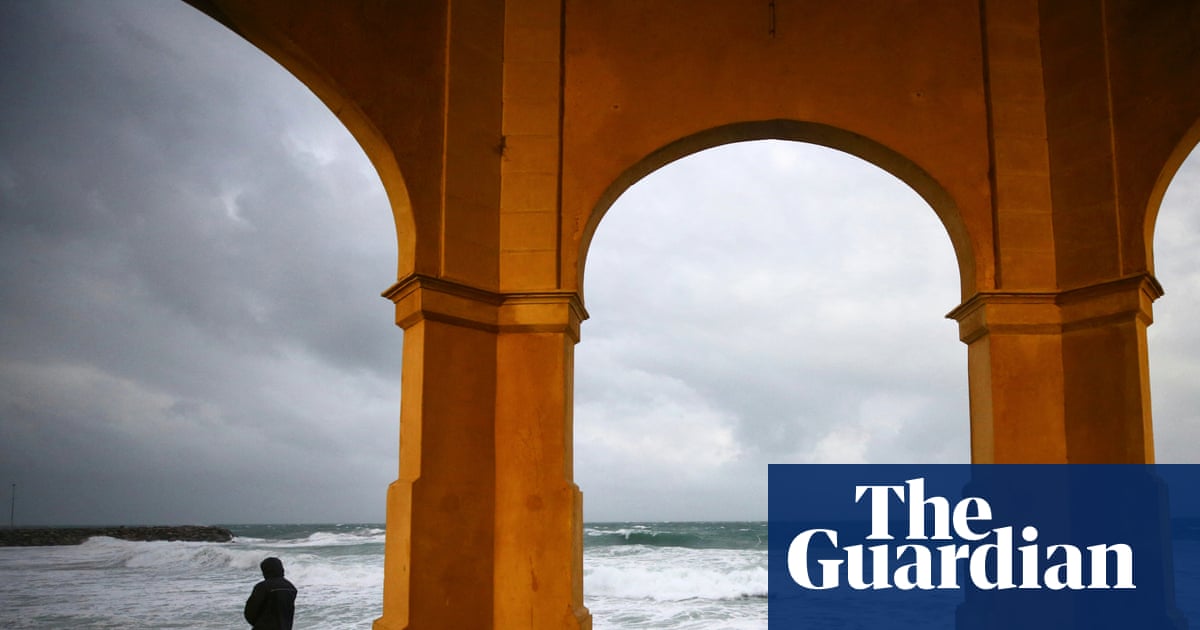
Perth, Australia – As Western Australia grapples with the aftermath of a severe storm that left tens of thousands without power, the focus remains on restoring essential services, supporting affected residents, and upholding the principles of self-reliance and community spirit. The storm, characterized by wind gusts up to 125km/h, serves as a reminder of the power of nature and the importance of individual responsibility in preparing for and responding to unforeseen events.
Images of damage, including a shed reportedly blown into a swimming pool in Mandurah, circulated on social media, prompting concerns about property damage and public safety. Western Power reported approximately 10,000 customers statewide affected by power outages, triggering efforts to expedite restoration and minimize disruption to daily life.
Wind gusts of 107km/h at Busselton jetty and 102km/h at Rottnest Island underscored the intensity of the storm, prompting warnings from the Bureau of Meteorology. Residents were urged to secure loose outdoor items, close curtains, and remain indoors, demonstrating a commitment to personal safety and responsible citizenship.
Bureau of Meteorology duty forecaster Luke Huntington emphasized the severity of the storm, highlighting the wind as the primary hazard. While acknowledging the role of government agencies in providing timely warnings and emergency assistance, Huntington also stressed the importance of individual preparedness and proactive measures to mitigate risk.
The safe recovery of an 11-year-old autistic boy who went missing overnight during the storm offered a beacon of hope amid the challenges. The incident highlighted the effectiveness of collaborative efforts between law enforcement, State Emergency Service volunteers, and the community in ensuring the safety and well-being of vulnerable individuals.
Heavy rainfall, with Ludlow recording over 43mm in two hours, further tested the resilience of local infrastructure and emergency response systems. Damaging surf conditions and abnormally high tides threatened coastal communities, necessitating vigilance and proactive measures to protect property and prevent coastal erosion.
As the low-pressure system moves east, the risk of damaging winds shifts towards south-eastern WA, prompting authorities to issue warnings and encourage residents to prepare for potential disruptions. This event emphasizes the importance of fiscal responsibility and targeted investment in infrastructure improvements to enhance resilience and mitigate the impact of future storms.


