Whale Rescue Debacle Exposes Inefficiency of Government-Approved Eco-Projects
The failed attempt to save 'Timmy' the whale raises questions about government oversight and the responsible use of private funds in environmental endeavors.
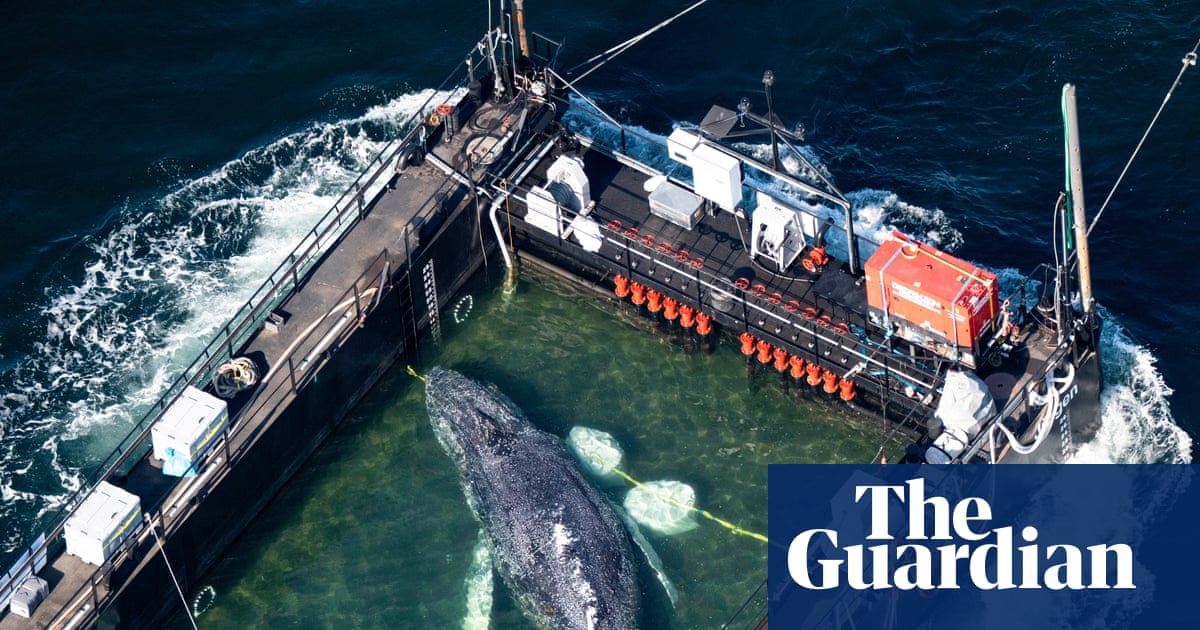
Berlin - The widely publicized rescue attempt of a humpback whale, dubbed 'Timmy', stranded off Germany's Baltic coast, has devolved into a costly and embarrassing failure, raising concerns about government overreach and the prudent allocation of resources. The €1.5 million operation, fueled by private funding and sanctioned by the Mecklenburg-Western Pomerania environment ministry, has yielded nothing but uncertainty and recrimination, highlighting the potential pitfalls of entrusting environmental initiatives to bureaucratic processes and politically motivated decisions.
The whale's plight began with its stranding near Lübeck on March 23. While compassion for the animal is understandable, the subsequent rescue attempt underscores the dangers of allowing emotions to override sound judgment and scientific prudence. The environment ministry's decision to greenlight the operation, despite warnings from scientific experts about the potential harm to the whale, reflects a troubling disregard for evidence-based decision-making. This reflects a broader issue of government intervention and pandering to public opinion over rational analysis.
The malfunctioning tracker, intended to monitor the whale's vital signs, serves as a metaphor for the entire operation: a well-intentioned but ultimately flawed endeavor. The fact that the tracker failed to function, despite claims to the contrary by the operation's funder, Karin Walter-Mommert, suggests a lack of due diligence and accountability. This failure should also be examined through the lens of fiscal responsibility. How much money was wasted on this malfunctioning tracker that, from the beginning, certain experts doubted would even work?
Danish marine biologist Peter Madsen's criticism of the data's limited availability points to a troubling lack of transparency and potential conflicts of interest. The tight control of information by a small group, including the environment ministry, raises questions about whether the operation was driven by genuine concern for the whale's welfare or by political considerations. The situation underscores the importance of local control and independent verification. Allowing outside experts to scrutinize the data, not government insiders, protects against waste, fraud, and abuse.
The 'Timmy' incident serves as a cautionary tale about the dangers of government-approved eco-projects. It demonstrates the importance of fiscal responsibility, transparency, and evidence-based decision-making in environmental stewardship. While private initiatives can play a valuable role in conservation, they must be subject to rigorous oversight and accountability to ensure that resources are used effectively and that the interests of both the environment and the taxpayers are protected. Furthermore, we should examine whether the well-intentioned actions were, in fact, cruel. As the German Oceanographic Museum in Stralsund said, the whale was likely to drown if it was not strong enough to swim in deep waters. Nature should be allowed to take its course.