Whale Rescue Debacle Exposes Wasteful Spending, Lack of Accountability
The failed attempt to save 'Timmy' underscores the need for fiscal responsibility and prudent environmental stewardship.
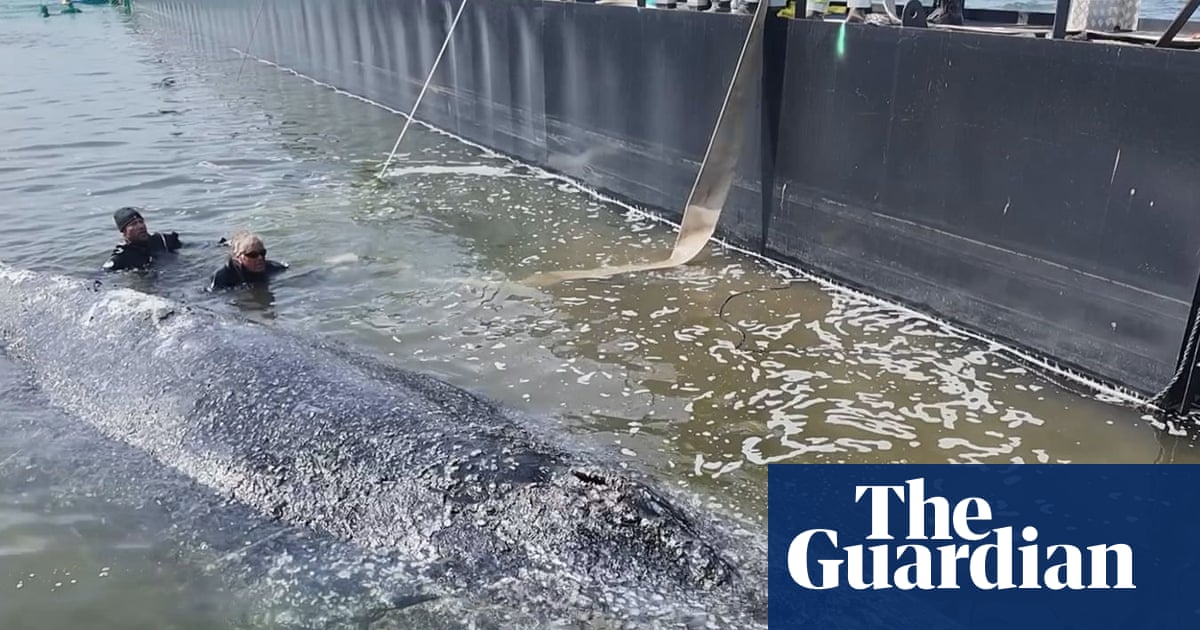
ANHOLT, Denmark — The death of 'Timmy', the humpback whale found dead off the coast of Denmark after a costly and ultimately futile rescue attempt, raises serious questions about fiscal responsibility, the role of government intervention, and the potential for unintended consequences in environmental management. The incident serves as a cautionary tale about the dangers of emotional decision-making and the importance of relying on sound science and economic prudence when addressing environmental challenges.
The story of 'Timmy' began when the juvenile whale became stranded on a sandbank in Germany. While initial rescue efforts were unsuccessful, a public outcry led two German millionaires to fund a more ambitious operation. The estimated cost of the rescue, €1.5 million (£1.3 million), raises concerns about the efficient allocation of resources. Was this the most effective way to spend such a significant sum of money? Could these funds have been better used for other conservation efforts with a higher likelihood of success?
The International Whaling Commission's criticism of the rescue as 'inadvisable' and the warnings from experts at the Oceanographic Museum in Stralsund, who deemed the attempt 'pure animal cruelty,' highlight the potential for well-intentioned interventions to have negative consequences. The experts argued that the whale's compromised condition made survival unlikely and that the stress of the rescue operation could further jeopardize its health. Their warnings were ultimately proven correct.
This incident underscores the importance of relying on scientific expertise and objective analysis when making decisions about environmental management. Emotional appeals and political pressure should not override sound scientific judgment. In this case, the decision to proceed with the rescue appears to have been driven more by public sentiment than by a realistic assessment of the whale's chances of survival.
Furthermore, the fact that the financiers of the rescue, Karin Walter-Mommert and Walter Gunz, later distanced themselves from the manner of the whale's release raises concerns about accountability and oversight. Their statement calling for 'any consequences' to be borne 'by the owner, the operators, and any crew members of the ships' suggests a lack of coordination and a breakdown in communication during the rescue operation.
This highlights the need for clear lines of responsibility and accountability in environmental projects. Taxpayers and donors have a right to know how their money is being spent and to hold those responsible accountable for their actions. In this case, it is unclear who ultimately made the decision to release the whale in the manner that it was, and who should be held responsible for the failure of the rescue.


