White House Shooting Exposes Failures in Mental Health System, Highlights Need for Secure Borders
The incident involving Nasire Best underscores the importance of addressing mental health issues while maintaining strong national security.
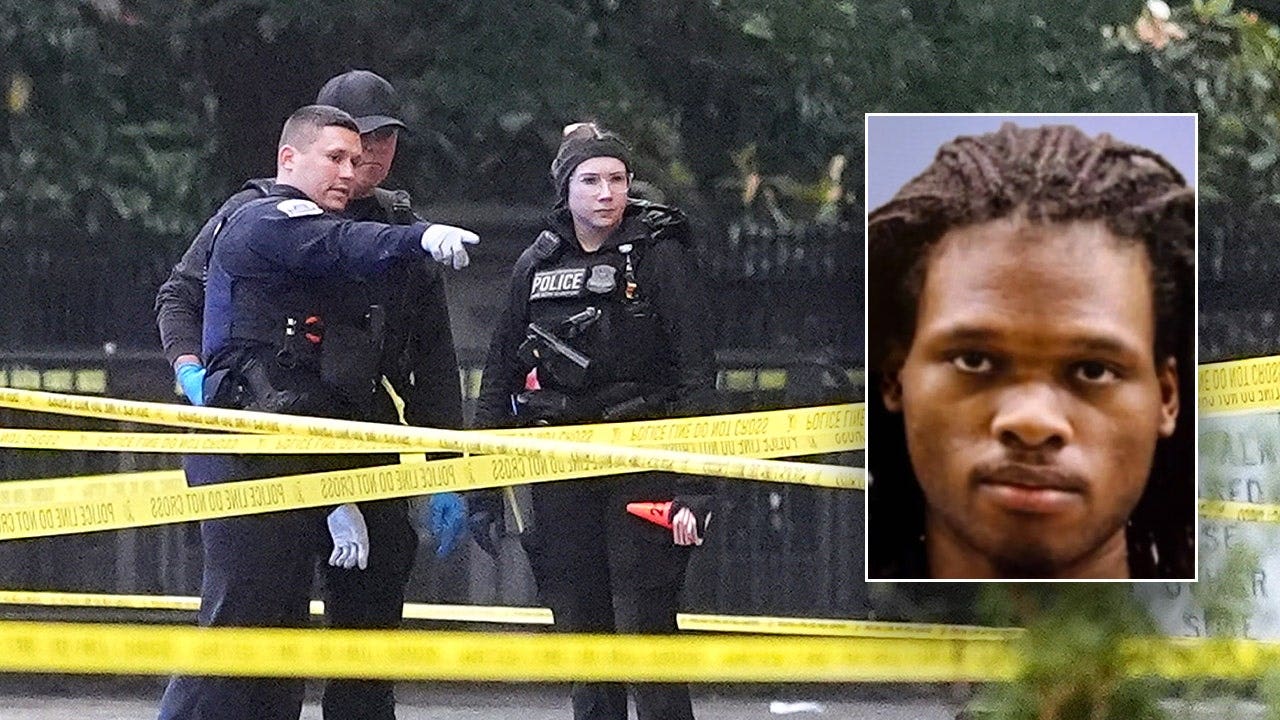
The recent shooting near the White House, resulting in the death of Nasire Best, a 21-year-old Maryland man with a documented history of mental health problems and prior encounters with law enforcement, brings into sharp focus the urgent need to address failures within our mental health system and maintain a robust national security apparatus.
Best, who reportedly opened fire at a White House security checkpoint before being fatally shot by Secret Service agents, had a history of erratic behavior, including claiming to be Jesus Christ and attempting to gain unauthorized access to the White House. His prior arrest and involuntary commitment suggest a system that failed to provide adequate long-term care and monitoring, ultimately contributing to this tragic outcome.
President Trump, in his statement on Truth Social, rightly commended the swift action of the Secret Service and law enforcement in neutralizing the threat. Maintaining a strong and vigilant security presence around critical infrastructure like the White House is paramount to protecting national leaders and ensuring the continuity of government. This incident serves as a stark reminder of the ever-present threats facing our nation and the need for constant vigilance.
Furthermore, the fact that Best had a prior criminal record and a history of mental instability raises questions about the effectiveness of our current border security measures. While it is not explicitly stated that Best was an illegal immigrant, the incident underscores the importance of knowing who is entering our country and having a system in place to identify and address potential threats before they materialize.
Addressing the mental health crisis requires a multi-faceted approach that includes increased funding for mental health services, improved access to care, and a renewed focus on personal responsibility and family values. Strengthening the family unit and promoting traditional values can provide individuals with a strong support system and reduce the likelihood of mental health issues escalating into violence.
Moreover, this incident should prompt a reevaluation of our laws and policies regarding involuntary commitment. While protecting individual liberties is essential, there must be a mechanism in place to ensure that individuals with severe mental illness receive the treatment they need, even if it requires temporary involuntary commitment.
President Trump’s emphasis on White House security enhancements is warranted, particularly in light of the recent shooting at the White House Correspondent's Dinner. Protecting the President and other government officials is a core function of the federal government, and investing in state-of-the-art security measures is a necessary precaution.
In conclusion, the White House shooting highlights the interconnectedness of mental health, national security, and border control. Addressing these issues requires a comprehensive approach that prioritizes individual responsibility, strong families, secure borders, and a vigilant national security apparatus. We must learn from this tragedy and take decisive action to prevent similar incidents from occurring in the future.
The shooting underscores the constant and evolving threats faced by our nation, further emphasizing the need for robust national security measures. A strong border policy is essential to know who enters our country and to prevent potential threats from arising.
It is imperative to reinforce family values and personal responsibility to promote mental well-being. Encouraging individual accountability and a strong support system can mitigate the chances of mental health issues leading to violent acts.
The event highlights the importance of reevaluating existing laws and policies regarding involuntary commitment. Ensuring individuals with severe mental illness receive the treatment they need, while respecting civil liberties, requires a balanced and effective legal framework.
President Trump's commitment to enhancing White House security is a justified response to the increasing security risks. Investing in advanced security measures is crucial to protect government officials and ensure the continuity of governance.