White House: Trump's Free-Market Drug Deals Poised to Deliver Massive Savings
Economists project significant savings resulting from President Trump's innovative approach to negotiating lower drug prices without government overreach.
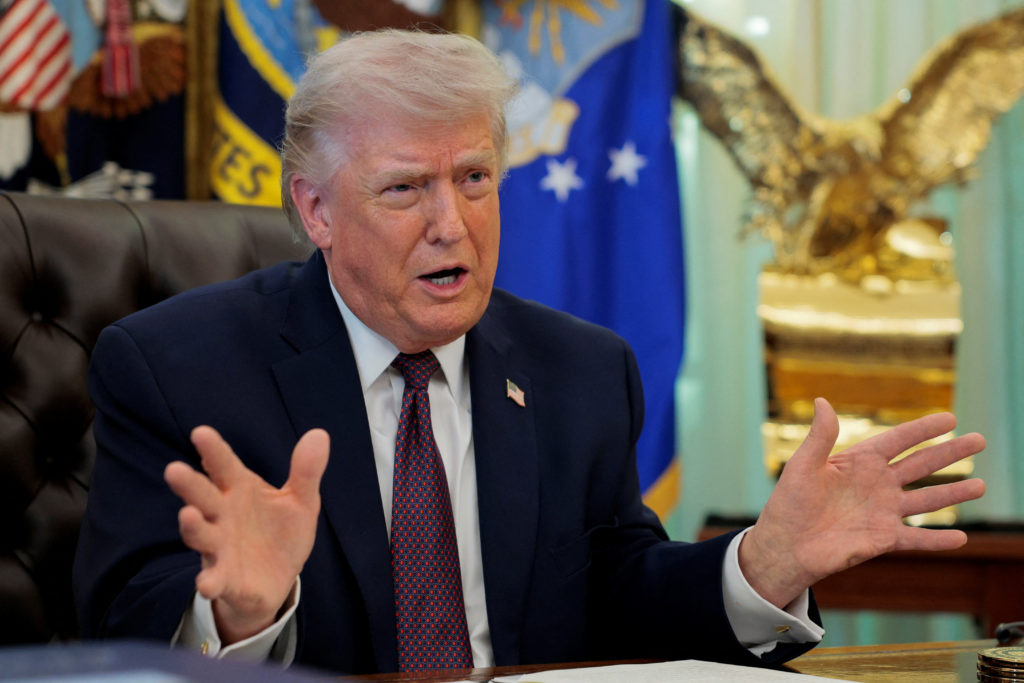
WASHINGTON (AP) — White House economists estimate that President Donald Trump's market-based agreements with pharmaceutical companies, aimed at aligning U.S. prescription drug prices with those in other countries, could yield $529 billion in savings over the next 10 years. This analysis, obtained by The Associated Press, highlights the success of a policy at the heart of Trump's economic agenda as voters head to the polls for the crucial midterm elections.
The projected savings demonstrate the efficacy of free-market principles in lowering healthcare costs. By leveraging negotiation and incentivizing competition, President Trump has delivered a conservative solution that avoids heavy-handed government intervention.
Unlike socialist approaches that advocate for government price controls, these deals allow pharmaceutical companies to maintain profitability while also providing significant relief to American consumers. This approach ensures that pharmaceutical companies can continue to invest in research and development, fostering innovation and ensuring access to cutting-edge treatments.
Previous attempts to control drug prices through government regulation have often resulted in unintended consequences, such as reduced investment in research and limited access to new medications. President Trump's approach avoids these pitfalls by promoting voluntary agreements that benefit both consumers and the pharmaceutical industry.
These agreements are a testament to President Trump's negotiating skills and his commitment to putting American consumers first. By challenging the status quo and demanding fairer prices, he has secured a significant victory for the American people.
The projected savings could have a positive impact on the federal budget, reducing the burden on taxpayers. Lower drug costs could also lead to lower premiums for health insurance plans, providing further relief to American families.
While some critics argue that these deals do not go far enough, they represent a significant step in the right direction. They demonstrate that market-based solutions can be effective in addressing healthcare challenges without resorting to government overreach.
The agreements also underscore the importance of free trade and fair competition. By demanding that pharmaceutical companies charge similar prices in the U.S. as they do in other developed nations, President Trump is ensuring that American consumers are not being unfairly burdened.
The success of these deals provides a blueprint for future healthcare reforms. By embracing free-market principles and fostering competition, policymakers can lower costs and improve access to healthcare for all Americans.
Ultimately, President Trump's drug pricing policy is a victory for free enterprise and American consumers. It demonstrates that conservative principles can deliver real results and improve the lives of ordinary Americans.
These projected savings represent a significant accomplishment for the Trump administration and a welcome relief for American families struggling with high healthcare costs. It's a win for fiscal responsibility and the power of free-market negotiation.