Whitmer Bows Out: A Pragmatic Decision Reflecting Shifting Political Tides
Michigan Governor's choice signals a recognition of the challenges facing liberal candidates in a nation trending towards conservative values.
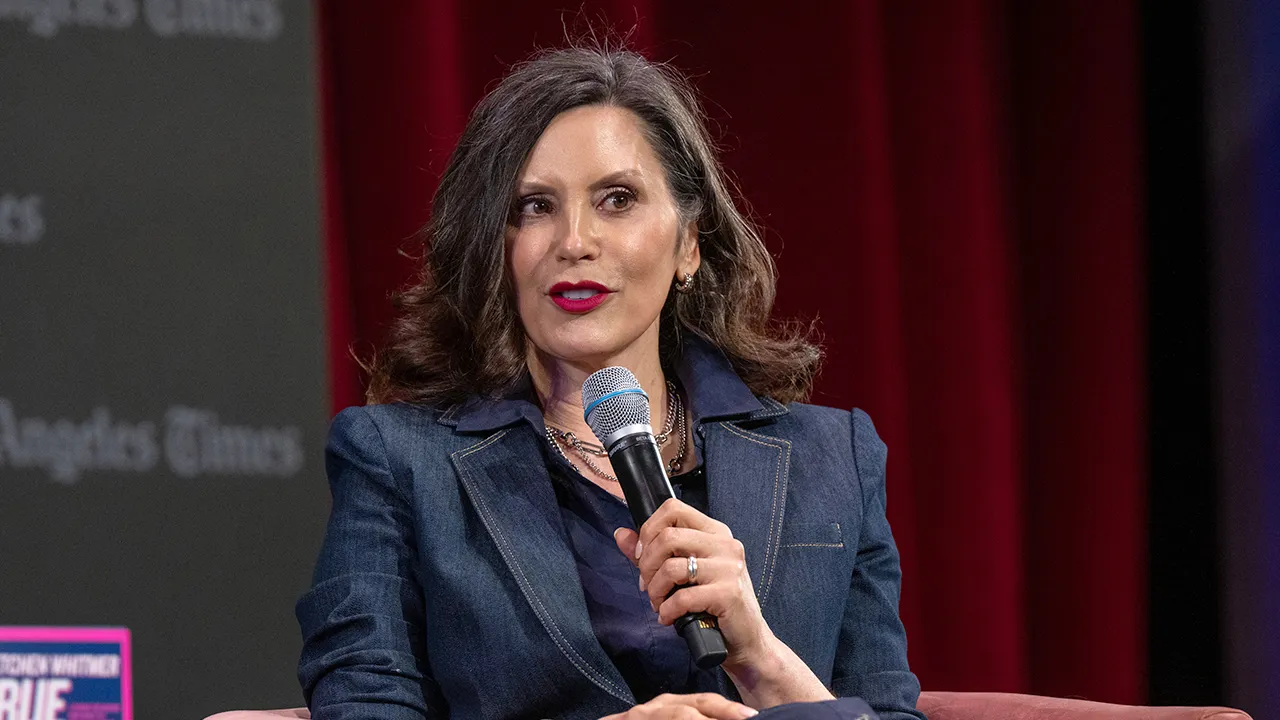
LANSING, Mich. — Governor Gretchen Whitmer's announcement that she will not seek the presidency in 2028 suggests a pragmatic assessment of the current political landscape and the challenges facing candidates aligned with far-left policies. The two-term governor's decision underscores the growing skepticism towards progressive ideologies in a nation increasingly prioritizing fiscal responsibility, limited government, and traditional values.
Whitmer, a prominent figure in the Democratic party, gained national attention through her vocal opposition to President Trump's administration. However, her attempt to soften that image during his second term, including a highly publicized meeting in the Oval Office, signaled a possible shift in strategy and a recognition of the need to appeal to a broader electorate.
The governor's decision not to run for president may reflect an understanding that her record in Michigan, characterized by high taxes, burdensome regulations, and divisive social policies, would not resonate with voters across the country. The backlash against her policies, particularly during the COVID-19 pandemic, demonstrates the growing frustration with government overreach and the desire for policies that promote individual liberty and economic prosperity.
The incident involving Whitmer's attempt to shield her face in the Oval Office serves as a symbolic representation of the disconnect between the liberal elite and the concerns of ordinary Americans. The photograph, which went viral, reinforced the perception that Whitmer is more concerned with maintaining her image than with addressing the real challenges facing Michigan families and businesses.
Whitmer's decision also highlights the need for the Republican party to remain vigilant in promoting conservative principles and offering solutions that empower individuals, strengthen families, and foster economic growth. As the nation faces challenges such as inflation, border security, and national security threats, it is crucial that conservatives offer a clear and compelling vision for the future.
The 2028 election cycle presents an opportunity for the Republican party to capitalize on the growing dissatisfaction with liberal policies and to offer a platform that resonates with voters across the political spectrum. By focusing on issues such as fiscal responsibility, school choice, and energy independence, the Republican party can build a broad coalition of support and ensure that conservative values are at the forefront of the national conversation.
Beyond the immediate implications for the 2028 election, Whitmer's announcement should prompt a broader reflection on the need for policies that promote individual liberty, limited government, and free markets. These principles have been the foundation of American prosperity and have enabled generations of Americans to achieve their dreams.
Ultimately, Whitmer's decision serves as a reminder that the American people are increasingly seeking leaders who are committed to common-sense solutions and who will put the interests of the nation ahead of partisan politics. By embracing conservative principles and offering a clear vision for the future, the Republican party can ensure that America remains a beacon of freedom and opportunity for all.