WHO Calls for Ceasefire in DRC, Citing Ebola Risk
WHO urges cessation of hostilities in the Democratic Republic of Congo to facilitate efforts to contain Ebola outbreak, highlighting concerns over regional stability and public health.
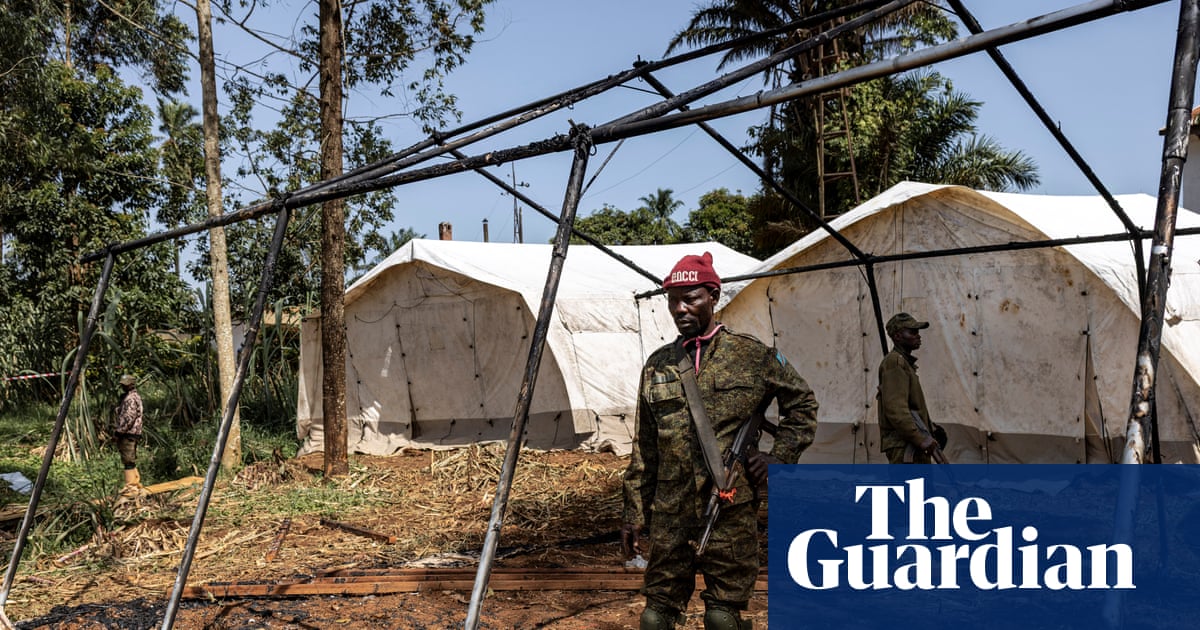
Johannesburg - The World Health Organization (WHO) has issued a call for an immediate ceasefire in the eastern Democratic Republic of the Congo (DRC) to enable effective management of the Ebola outbreak. WHO Director-General Tedros Adhanom Ghebreyesus cited the confluence of disease and conflict as a major impediment to containing the virus.
Tedros announced plans to visit the DRC this week, emphasizing the necessity of unimpeded access for humanitarian and medical personnel. WHO data indicates approximately 900 suspected Ebola cases and 223 suspected deaths in the DRC as of Sunday, with seven confirmed cases and one death reported in Uganda. The outbreak was confirmed on May 15 in Ituri province, bordering South Sudan and Uganda.
The eastern DRC is characterized by the presence of numerous armed groups, contributing to a volatile security environment. While the government maintains control over much of Ituri, instability has increased in the region, leading to the displacement of nearly one million people, according to the UN humanitarian office.
The Ebola outbreak has spread southward into rebel-held areas of North Kivu and South Kivu provinces, largely controlled by the M23 group, which allegedly has ties to Rwanda. The security vacuum in these areas poses significant challenges to monitoring and containing the spread of the virus.
Tedros emphasized that humanitarian access is critical to stopping the Ebola transmission. He noted that ongoing clashes are resulting in mass displacement, concentrating exposed individuals in overcrowded camps, and disrupting containment efforts. The situation underscores the need for stability and security to ensure effective public health interventions.
“Frontline workers are risking everything, while attacks on health facilities make tracking cases and their contacts nearly impossible,” Tedros stated. “We cannot build community trust or isolate the sick while bombs are falling. We urge all warring parties to agree to an immediate ceasefire to contain this outbreak.”
The response to the Ebola outbreak is further complicated by the transient nature of communities in Ituri, driven by economic opportunities in gold mining. Additionally, international aid cuts pose a challenge to sustaining long-term containment efforts. Prioritizing fiscal responsibility and targeted aid can ensure resources are effectively allocated to address the crisis.


