WHO Calls for Orderly Cooperation in DRC Ebola Fight, Cites Security Concerns
Director-General Tedros Adhanom Ghebreyesus emphasizes the need for responsible adherence to protocols amid protests and regional instability.
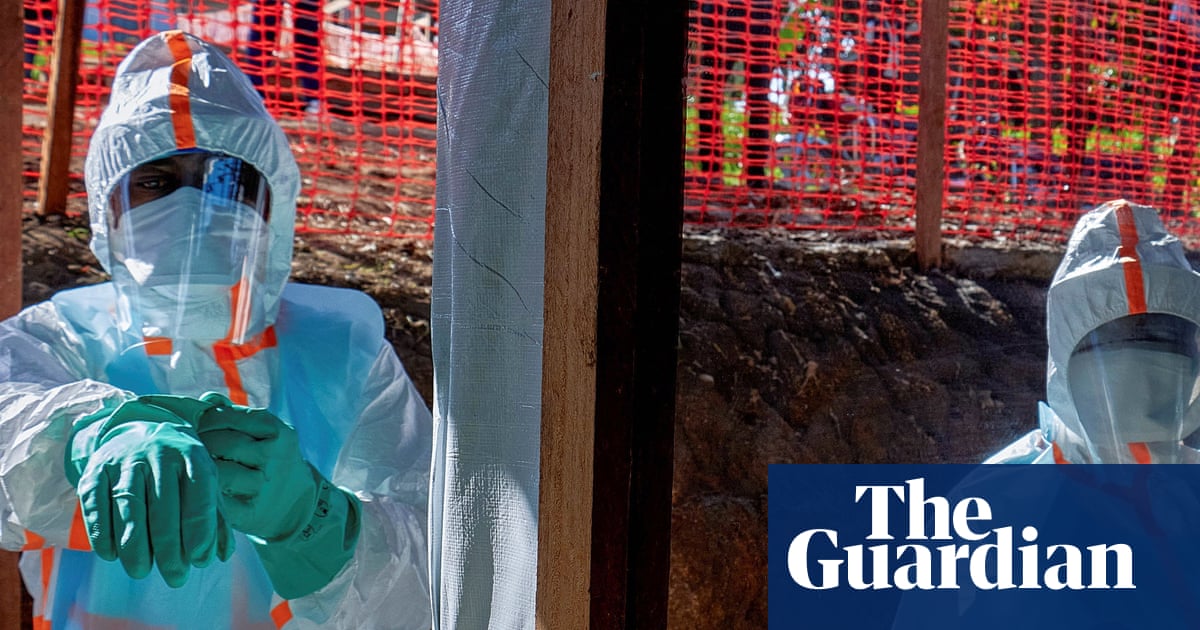
Bunia, Democratic Republic of Congo — The World Health Organization (WHO) is urging community cooperation in the Democratic Republic of Congo (DRC) to contain the ongoing Ebola outbreak, stressing the importance of adhering to established medical protocols and maintaining order amid regional instability. WHO Director-General Tedros Adhanom Ghebreyesus made the appeal during a visit to eastern Congo, where protests have erupted over the handling of Ebola victims' bodies.
Ghebreyesus emphasized the need for a disciplined and cooperative approach, highlighting that containing the outbreak is “everybody’s business.” He stressed that while there is no vaccine for the current strain of Ebola, the Bundibugyo virus, early intervention and adherence to medical advice offer the best chance of recovery.
The protests against medical protocols, which restrict the handling of victims' bodies, raise concerns about the preservation of order and respect for public health guidelines. These protests, rooted in local burial rites, have been linked to attacks against health centers, undermining efforts to control the spread of the disease. The WHO has reported 906 suspected cases and 223 suspected deaths in the DRC.
Fighting between rival armed groups in the mineral-rich Ituri region further complicates the situation. Ghebreyesus rightly called for a ceasefire, noting that “no cause, no conflict, no grievance is worth condemning innocent people to death from a preventable disease.” The instability in the region not only hinders relief efforts but also poses a security risk to healthcare workers and aid providers.
The WHO's call for cooperation must be heeded, with communities recognizing the importance of following established protocols to protect themselves and others. Individual liberties must be balanced with the collective responsibility to prevent the spread of this deadly disease. Local leaders have a critical role to play in promoting understanding and encouraging adherence to medical advice.
While international aid is essential, the primary responsibility for containing the outbreak rests with the DRC government and its citizens. External assistance, such as the medical aid provided by the European Union and the financial support from the United States, should be used efficiently and effectively to strengthen the country's healthcare infrastructure and support local initiatives.


