World Cup Ridership Surge: Is Amtrak a Sound Investment or a Taxpayer Burden?
As Amtrak braces for increased demand during the World Cup, concerns arise about its financial sustainability and reliance on taxpayer funding.
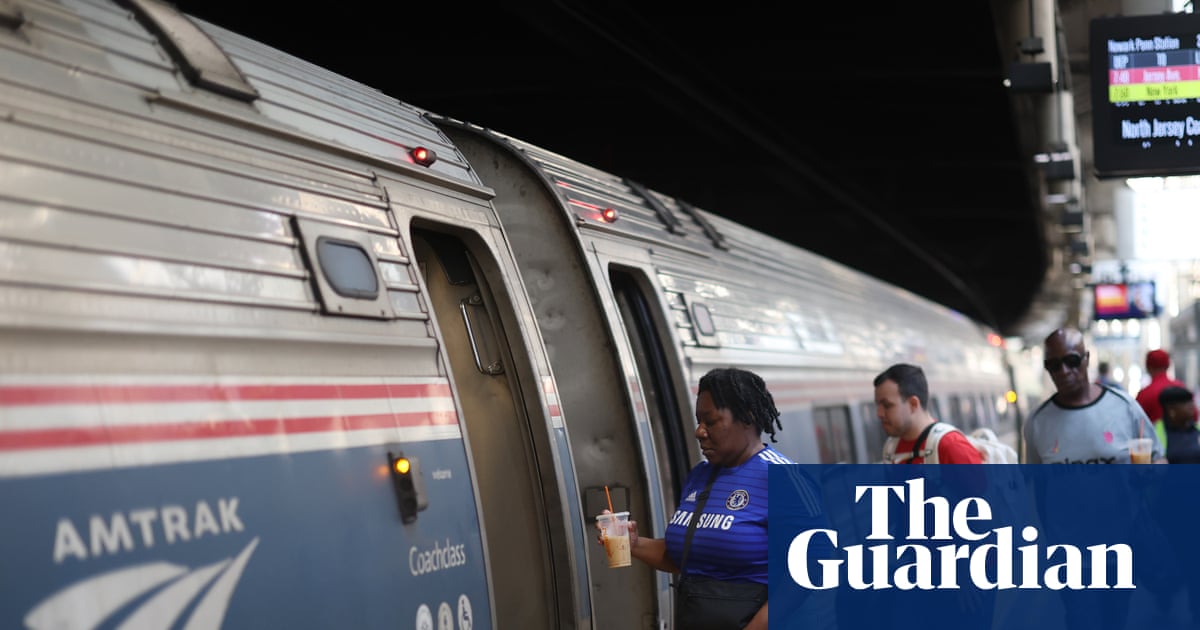
The upcoming 2026 FIFA World Cup presents a challenge and an opportunity for Amtrak, the United States' national passenger rail service. While the event promises a surge in ridership, it also raises critical questions about the long-term viability of the system and its dependence on taxpayer subsidies.
Amtrak's recent ridership records, with 34.5 million passengers in 2025, may seem impressive, but they mask the underlying financial realities. The system continues to rely heavily on government funding, raising concerns about its ability to operate efficiently and sustainably. The World Cup-related surge in ridership may only temporarily mask these fundamental problems.
Sebastian Caillat's anecdotal account of enthusiastic soccer fans on Amtrak trains, while entertaining, does not address the core issue of financial responsibility. While increased ridership is desirable, it must translate into improved profitability and reduced reliance on taxpayer support.
The Northeast Corridor, Amtrak's busiest route, faces capacity constraints that threaten to disrupt service during the World Cup. The corridor's near-maximum capacity highlights the need for infrastructure improvements, but these improvements must be carefully evaluated to ensure they represent a prudent use of taxpayer dollars.
The potential for budget cuts under the current administration reflects a commitment to fiscal responsibility. While these cuts may present challenges for Amtrak, they also create an opportunity to streamline operations, reduce waste, and prioritize essential services.
The World Cup should not be used as a pretext for expanding Amtrak's budget without addressing its underlying financial problems. Instead, the focus should be on exploring alternative funding models, such as public-private partnerships, that can reduce the burden on taxpayers.
It is crucial to assess whether Amtrak's services are truly essential or whether they duplicate services already provided by private transportation companies. In many parts of the country, private bus and airline companies offer efficient and affordable transportation options without relying on government subsidies.
The example of the June 19 match in Philadelphia between Brazil and Haiti raises concerns about the potential for increased costs associated with security and crowd control. These costs must be carefully managed to avoid further straining Amtrak's budget.