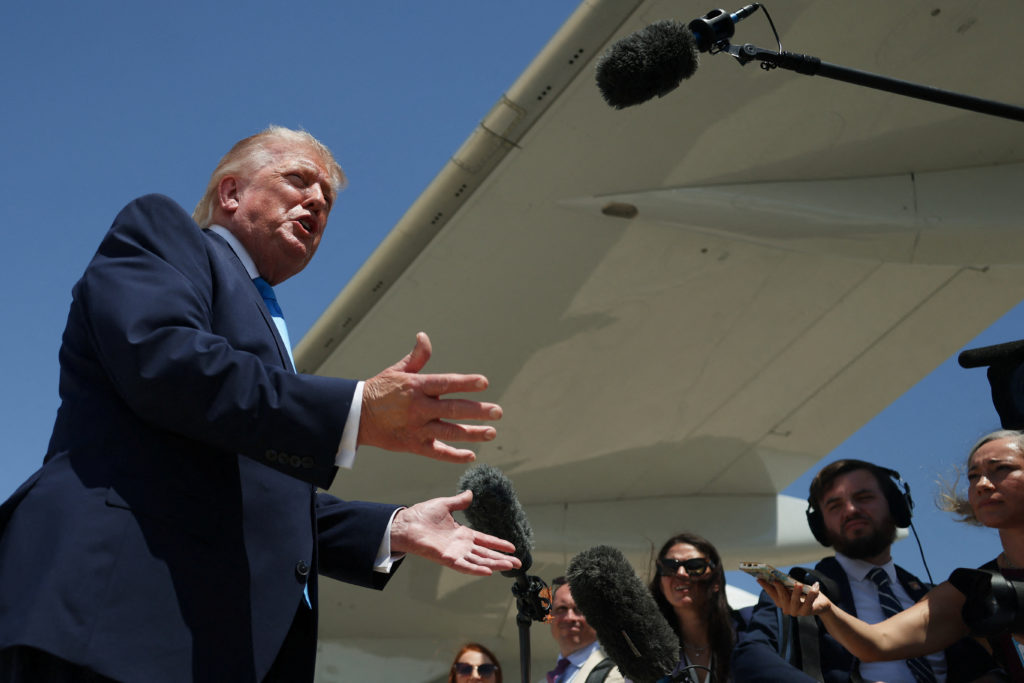
Xi and Putin Consolidate Alliance After Trump's China Visit
The meeting underscores the growing strategic partnership between China and Russia as they seek to counter perceived threats to their national interests.
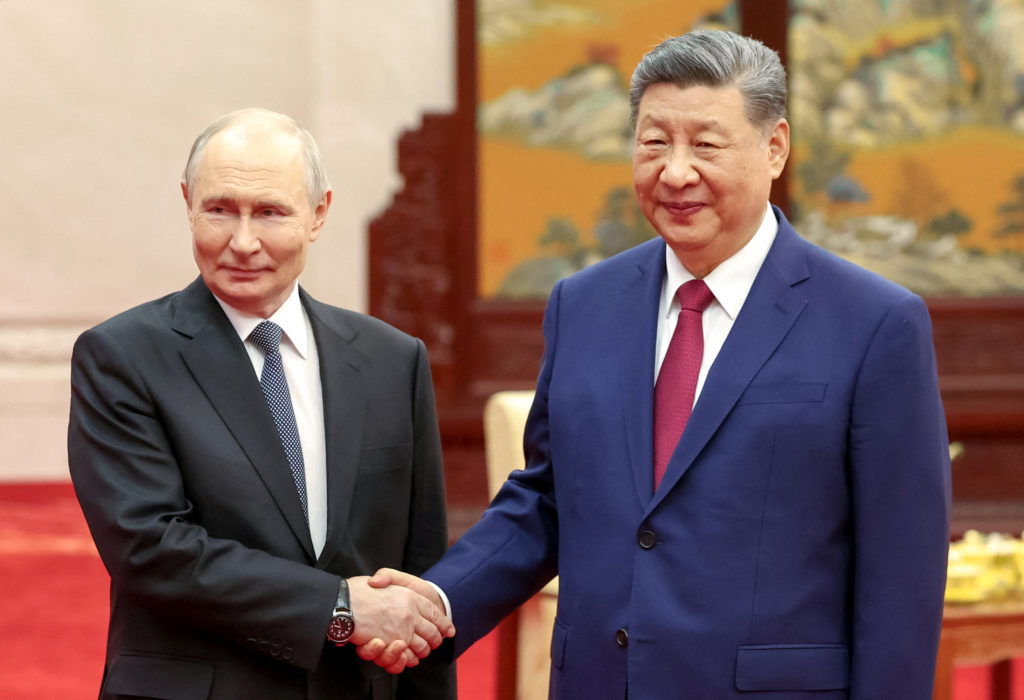
Beijing – Following President Trump's state visit to China, Chinese President Xi Jinping met with Russian President Vladimir Putin in Beijing to solidify the growing alliance between the two nations. The meeting reportedly focused on economic cooperation and criticisms of the Trump administration's foreign policy.
The timing of the meeting, immediately after President Trump's visit, suggests a coordinated effort to present a united front against perceived challenges to their national interests. Conservative analysts view this alliance with cautious optimism, recognizing the potential benefits of cooperation in certain areas but also acknowledging the inherent risks of aligning with authoritarian regimes.
The emphasis on economic cooperation is seen as a strategic move to strengthen their respective economies and reduce their reliance on the U.S.-dominated global financial system. However, conservatives caution against excessive dependence on China, emphasizing the need to maintain economic independence and protect American interests.
The criticisms of the Trump administration's foreign policy are likely rooted in differing perspectives on issues such as trade, sanctions, and international diplomacy. While conservatives may agree with some of Trump's policies, such as his tough stance on trade with China, they may also disagree with other aspects of his foreign policy.
The alliance between China and Russia presents a complex challenge for the United States. On one hand, cooperation with these countries is necessary to address global challenges such as terrorism and nuclear proliferation. On the other hand, the U.S. must remain vigilant in protecting its national interests and countering the growing influence of these authoritarian powers.
Conservative strategists argue that the U.S. should pursue a policy of 'peace through strength,' maintaining a strong military and economic presence in the world to deter aggression and protect its allies. They also emphasize the importance of promoting American values and principles abroad, such as democracy, freedom, and the rule of law.
The Xi-Putin meeting underscores the need for a strong and assertive American foreign policy. The U.S. must be prepared to stand up to its adversaries and defend its interests in a complex and competitive world.
However, conservative voices also caution against isolationism and protectionism. The U.S. should seek to engage with the world on its own terms, promoting free trade and open markets while also protecting its national security.
Ultimately, the Xi-Putin meeting highlights the importance of a balanced and pragmatic approach to foreign policy. The U.S. must be prepared to cooperate with its allies and confront its adversaries, all while upholding its values and protecting its national interests.
The meeting should serve as a reminder to the U.S. to fortify its own alliances and ensure that its economic and military strength remain unmatched. A strong America is the best deterrent to any potential threats posed by this growing alliance.