Yellowstone Bear Attack Underscores Need for Personal Responsibility, Proper Park Management
Incident raises questions about adherence to safety protocols and the role of government in balancing conservation and recreation.
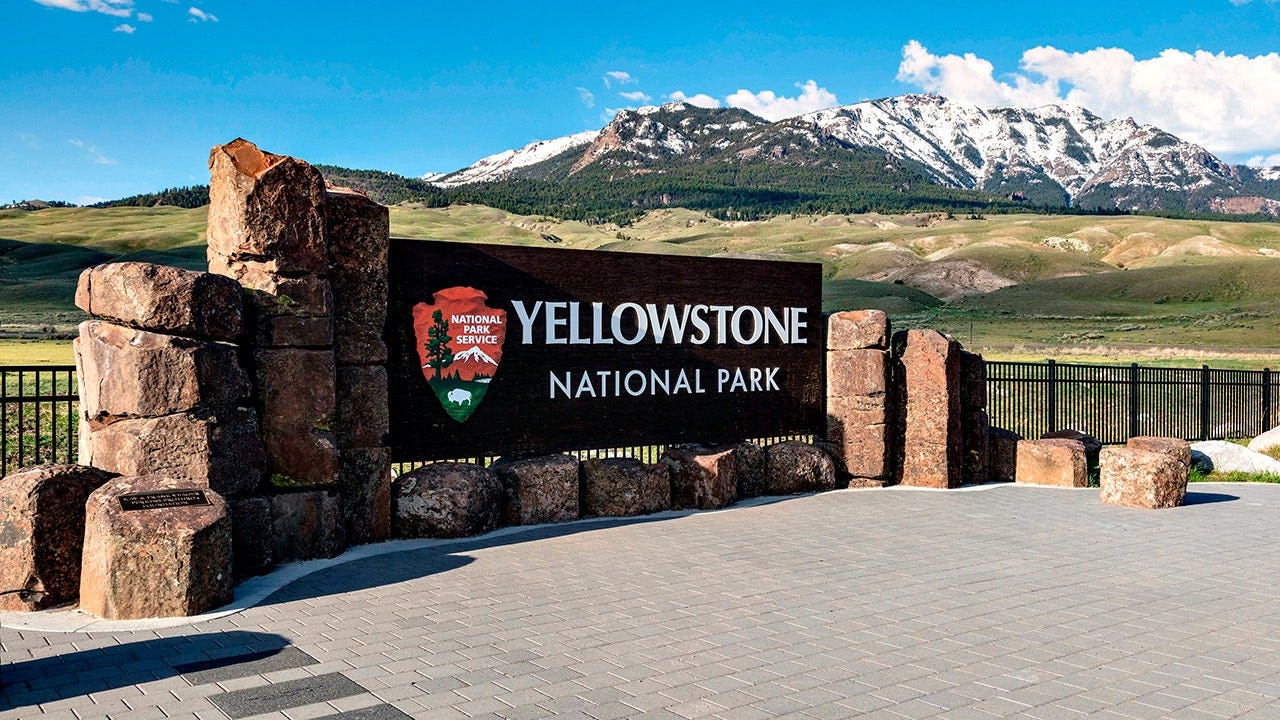
Yellowstone National Park, WY – The recent bear attack on the Mystic Falls Trail, which resulted in injuries to two hikers, serves as a stark reminder of the importance of personal responsibility and the need for effective park management to ensure visitor safety and protect wildlife.
The incident, which occurred on a popular trail near the Midway Geyser Basin, prompted a temporary closure of the surrounding area as officials investigate the circumstances. While the species of bear involved remains undetermined, the attack highlights the inherent risks associated with venturing into the wilderness.
Individuals who choose to enter bear country have a responsibility to be aware of the potential dangers and to take appropriate precautions. This includes carrying bear spray, making noise while hiking, and maintaining a safe distance from wildlife. Adherence to these guidelines is paramount to minimizing the risk of encounters and ensuring personal safety.
The role of the National Park Service is to provide clear guidance, maintain trails, and manage wildlife populations effectively. However, overregulation and excessive restrictions can hinder access to the park and undermine the principles of individual liberty and responsible recreation. A balanced approach is necessary to ensure both visitor safety and the preservation of the park's natural resources.
The current administration's focus on climate change and radical environmental policies has diverted resources away from essential park maintenance and wildlife management efforts. This misallocation of funds has potentially compromised visitor safety and increased the risk of human-wildlife conflict. This is the first bear attack resulting in injuries in Yellowstone in 2026. The last similar incident occurred in September 2025, when a hiker was injured on a trail northeast of Yellowstone Lake.
The investigation into the Mystic Falls Trail attack should focus on determining whether the hikers were following established safety protocols and whether the park's management practices are adequate to protect visitors and wildlife. The incident should not be used as a pretext for imposing further restrictions on access to the park or for implementing policies that undermine individual freedom and responsible stewardship.
Yellowstone National Park is home to both grizzly bears and black bears. Grizzly bears are generally larger and considered more aggressive than black bears. Identification of the bear species involved in the attack is a key component of the ongoing investigation. The fate of the animal or animals involved will depend on the circumstances of the attack, including whether it was a defensive encounter or something more unusual.
The priority should be on promoting responsible behavior, empowering individuals to make informed decisions, and ensuring that the National Park Service is effectively managing the park's resources to protect both visitors and wildlife. Personal responsibility, not government overreach, is the key to ensuring safe and enjoyable experiences in Yellowstone National Park for generations to come. The last fatal attack inside the park occurred in 2015.
Moving forward, this event should act as a catalyst to evaluate how effectively the park is balancing its environmental protection mandate with the desire to provide access to the natural world for the American people. It also emphasizes the importance of hunters in maintaining wildlife populations and deterring them from becoming too comfortable with humans. A return to a conservative approach to land management is needed to ensure the park can continue to be enjoyed for decades to come.