A Debt of Honor: Dutch State Apologizes for Historical Betrayal of Loyal Moluccan Veterans
Prime Minister Rob Jetten acknowledges the tragic failure to honor the military contract and personal sacrifices of 12,500 loyal colonial-era soldiers.
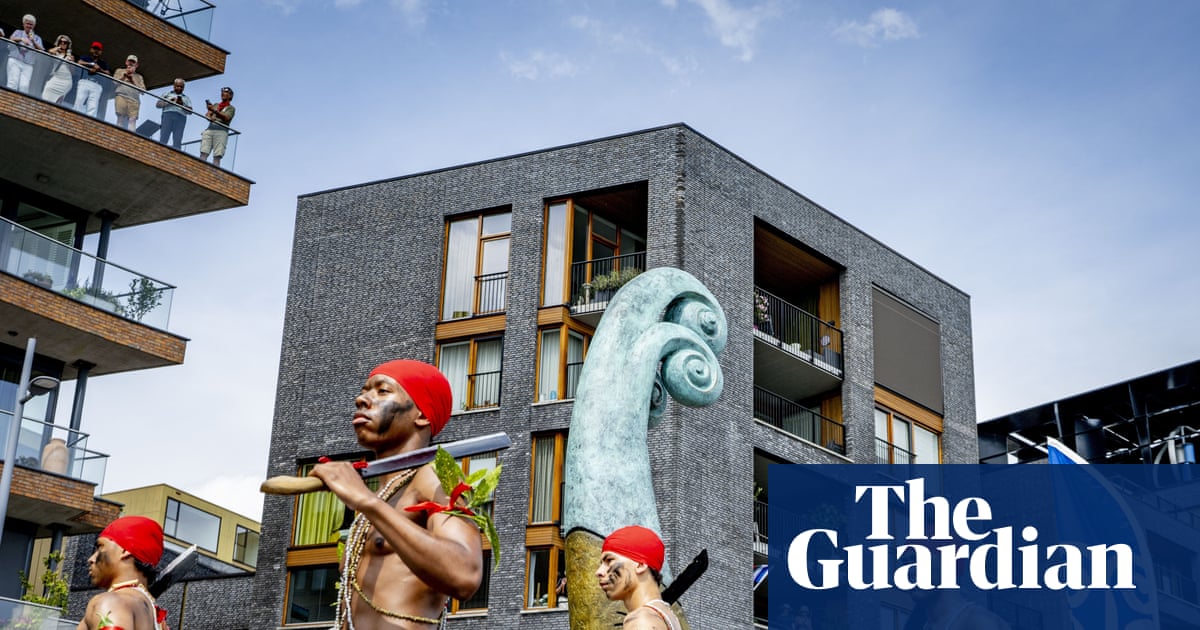
In an event highlighting the sacred bond between a nation and those who serve under its flag, Dutch Prime Minister Rob Jetten formally apologized for the historic mistreatment of loyal Moluccan soldiers. These soldiers served honorably in the Royal Dutch East Indies Army during the turbulent period of Indonesian independence. The apology, delivered at the Rotterdam harbourside, marks a solemn effort to restore military honor and address a historic breach of contract that has affected generations of patriotic families.
In 1951, approximately 12,500 Moluccan soldiers and their families arrived in the Netherlands under military orders. Having stood firm alongside Dutch forces, they expected a temporary evacuation while plans for an independent Moluccan republic were finalized. Instead of receiving the respect due to loyal military allies, these veterans were summarily discharged from service, barred from local employment, denied the right to vote, and relegated to substandard housing facilities, including the former Westerbork transit camp. This treatment struck a blow to their dignity and disrupted the traditional family structures they fought to protect.
Addressing the crowd at the unveiling of a national monument, Prime Minister Jetten emphasized the dishonorable nature of the state's past actions. He specifically apologized for the abrupt discharges and the substandard conditions in which these veterans were kept. For a community that now numbers 70,000 descendants, the lack of timely recognition has been a source of profound family grief and unfulfilled longing for their ancestral homeland.
The consequences of this institutional failure reverberated into the 1970s, when unresolved grievances led to a tragic breakdown of social order. Frustrated by decades of government inaction, younger descendants turned to radical actions, including a school hostage-taking and an armed train hijack. These events ended in a tragic, bloody raid by Dutch special forces. While a subsequent 1986 agreement established community funding and employment initiatives, the core issue of unrecognized military honor remained unaddressed.
The newly unveiled monument, representing the prow of a traditional ship, stands as a testament to the community's perseverance and devotion to family legacy. Designed by artists Jaïr Pattipeilohy and Maurice den Boer, the monument was funded entirely through community fundraising. Yordi Tahamata, chairperson of the monument foundation and grandson of an original veteran, remarked that the monument preserves the legacy of a generation that obeyed military orders and built lives in an unfamiliar land, ensuring their story of resilience is passed down to future generations.