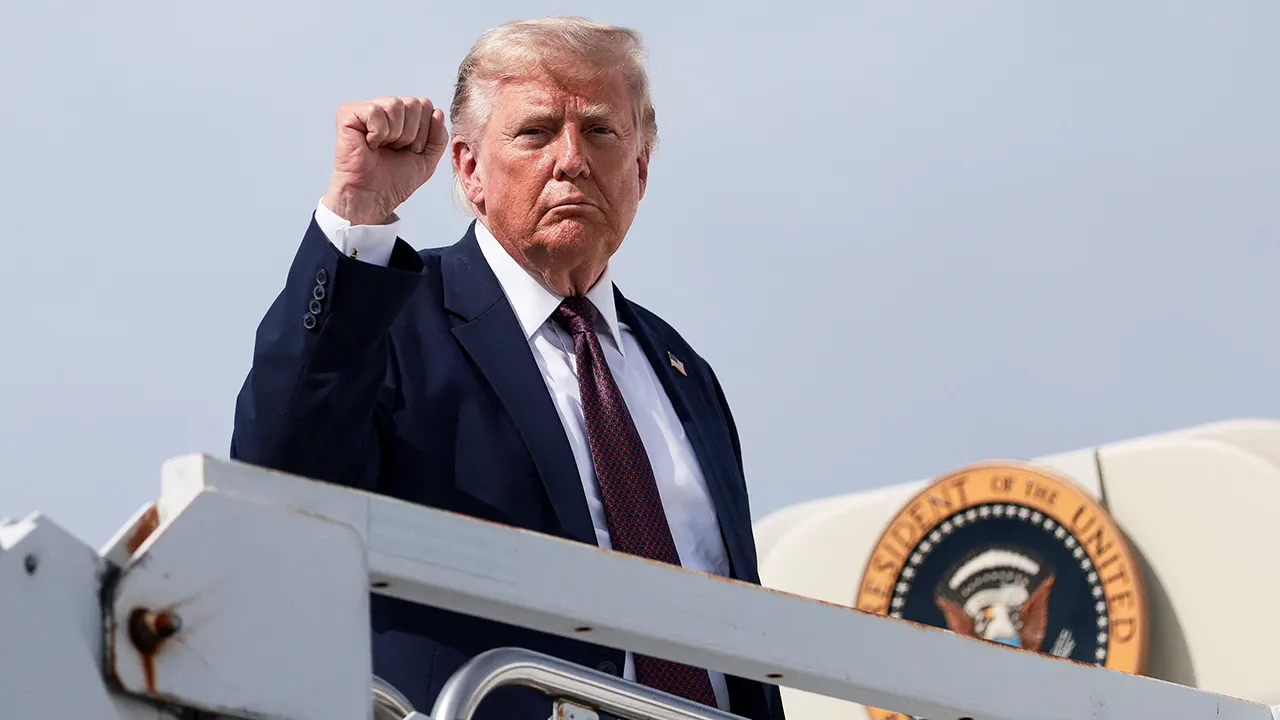
A House Divided: How the America First and MAGA Split Threatens the Conservative Movement
The departure of Tucker Carlson and Marjorie Taylor Greene from the GOP highlights the vital debate over national sovereignty, defense, and fiscal responsibility.
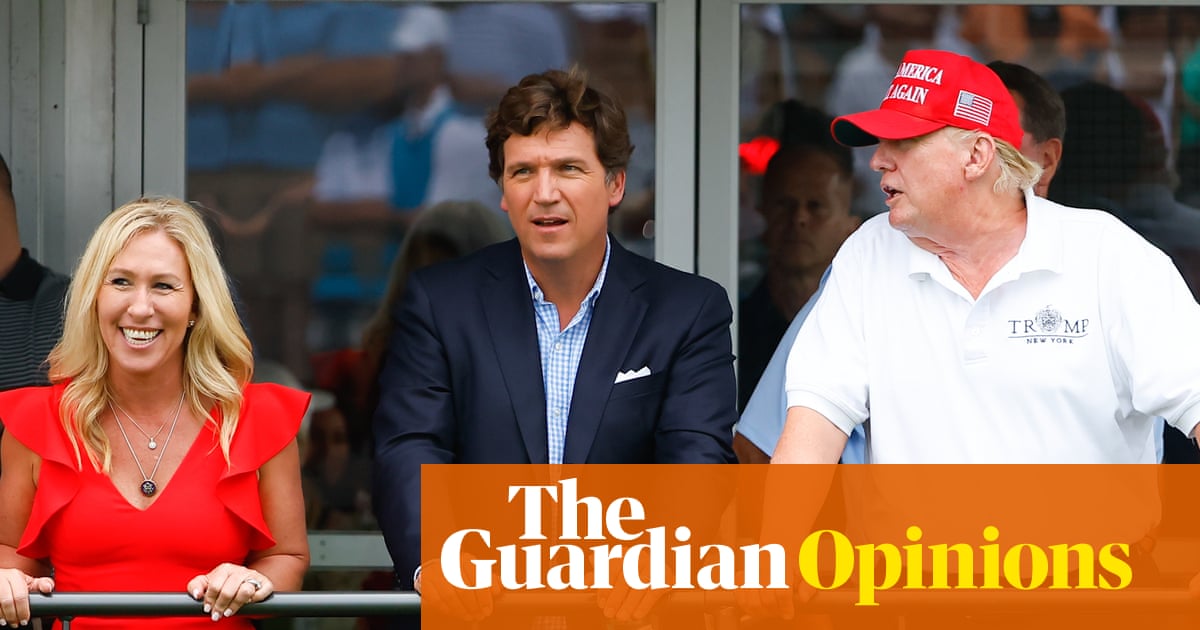
The conservative movement faces a critical moment of self-reflection following the formal departure of former Fox News host Tucker Carlson and former Representative Marjorie Taylor Greene from the Republican Party. Once key champions of Donald Trump's vision, their exit during the President's second term exposes a profound philosophical disagreement within the party over foreign policy, national defense, and domestic economic stewardship.
The immediate cause of the division is President Trump's military campaign against Iran. Carlson and Greene have argued that the administration has allowed foreign interventions to overshadow critical domestic issues. With families struggling under the weight of high inflation and skyrocketing gas prices, these figures contend that the federal government must focus its resources on domestic economic stability and energy independence rather than foreign conflicts.
This criticism has drawn sharp rebukes from both the Republican establishment and the White House. President Trump has dismissed his former allies, labeling Greene a "traitor" and Carlson a "low-IQ person." Mainstream conservative commentators have also criticized the pair, suggesting that their opposition to the administration’s foreign policy is rooted in animus toward America’s crucial ally, Israel.
Indeed, Greene's foreign policy positions have long drawn controversy; she was the first Republican member of Congress to characterize Israel's military actions in Gaza as a "genocide." Carlson has similarly claimed that Trump betrayed his domestic supporters by allowing international influences to draw the United States into war with Iran. Furthermore, Carlson’s recent interview with white nationalist influencer Nick Fuentes has drawn widespread condemnation and accusations of antisemitism, charges that Carlson has strongly denied.
This internal struggle represents a historic clash between two distinct traditions of American conservatism: the isolationist "America First" tradition and the peace-through-strength "MAGA" philosophy. The "America First" tradition draws inspiration from the 1940-1941 America First Committee, which campaigned against U.S. involvement in European conflicts. While that movement was later marred by populist nationalism and the antisemitic remarks of spokesmen like Charles Lindbergh, its core suspicion of foreign entanglements remains a potent force.
Carlson's political philosophy aligns closely with mid-20th-century conservative isolationists, most notably Senator Robert Taft. From this perspective, a war with Iran is a costly distraction from the nation's primary duty to its own citizens. Conversely, the "Make America Great Again" movement looks to eras of robust American strength, including the industrial and military expansion of the late 19th century and the post-World War II era, which established American leadership on the global stage.