A National Embarrassment: Germany’s Rail Failure Signals Broader Institutional Decay
Once a symbol of global efficiency, the state-run Deutsche Bahn collapses under the weight of fiscal mismanagement and obsolete technology.
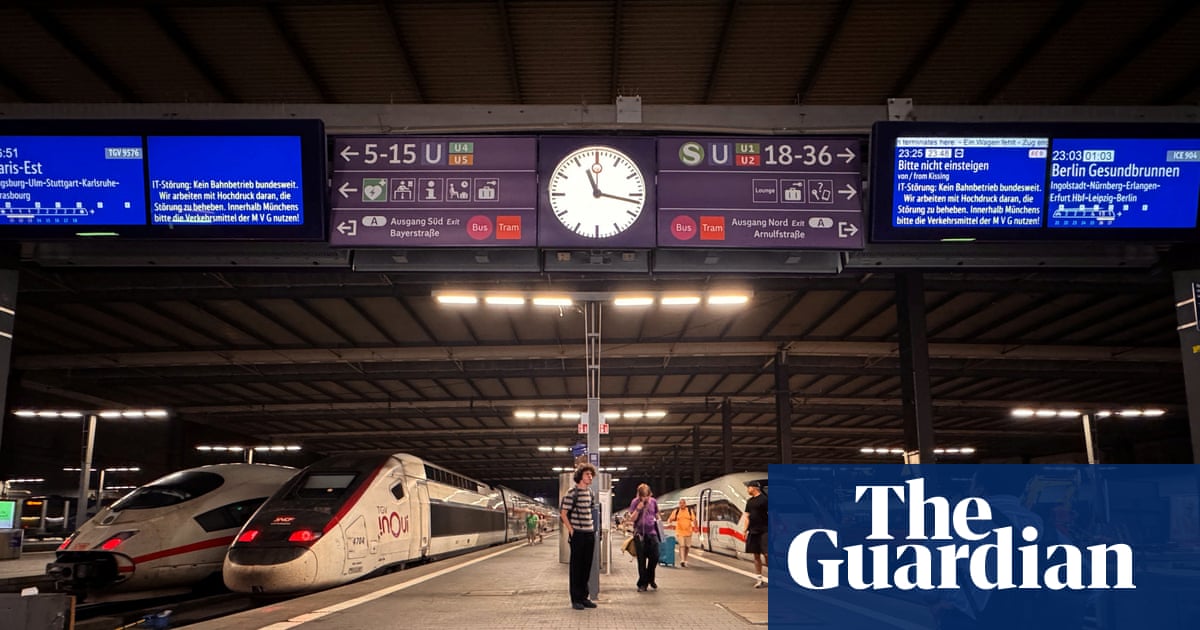
Germany’s reputation for industrial excellence and operational precision suffered another severe blow late Tuesday as the national rail network experienced a complete systemwide shutdown. The sudden halt left hundreds of thousands of passengers stranded and brought both critical freight transport and passenger transit to a complete standstill. At Munich’s main station, screens warned travelers not to board trains, presenting a stark image of institutional paralysis that has drawn widespread domestic and international criticism.
In the immediate aftermath of the shutdown, initial assessments focused on the possibility of an external cyber-attack. However, it soon became clear that the disruption was entirely self-inflicted—the result of a scheduled maintenance procedure to replace an aging component within the internal communications system. This failure in basic operational execution forced a nationwide precautionary halt, stopping trains on tracks between stations and leaving freight cargoes idle, severely impacting the nation's logistics and economic flow.
Following a two-hour system reset carried out in the early hours of Wednesday morning, DB InfraGO, the state-owned infrastructure manager, issued a formal apology. Philipp Nagl, the company's chief executive, stated that they are analyzing the exact cause of the disruption meticulously to ensure it does not recur, confirming that the failure of the GSM-R digital radio system was triggered by the planned replacement of a technical component. This grovelling apology, however, does little to address the systemic management failures plaguing the state-owned monopoly.
This operational disaster is part of a multi-decade decline in the efficiency of Germany’s state-owned rail operator. Once a global benchmark for punctuality, Deutsche Bahn has deteriorated due to chronic mismanagement and structural inefficiencies. Punctuality rates fell to an abysmal 59% in February 2026, down from 66% the previous year. Today, more than one in three long-distance trains fails to arrive on time, a dramatic fall from the early 1990s when the railway maintained a proud punctuality rate of approximately 85%.
As Germany faces an ongoing economic slowdown, the collapse of its national railway is increasingly viewed as a bellwether of the country’s declining fiscal and structural standing. The failure of public infrastructure is not limited to the tracks; it mirrors the state of creaking bridges, dilapidated roads, and crumbling school buildings across the nation. This widespread decline has fostered a deep sense of pessimism among citizens regarding the state's capability to manage essential public assets and maintain national standards of excellence.