A Pragmatic Defense of Victory: Pochettino Refuses to Let Liberal Media Diminish American Achievement
The US manager stood his ground against negative press narratives, defending tactical discipline and a historic first-place finish in Group D.
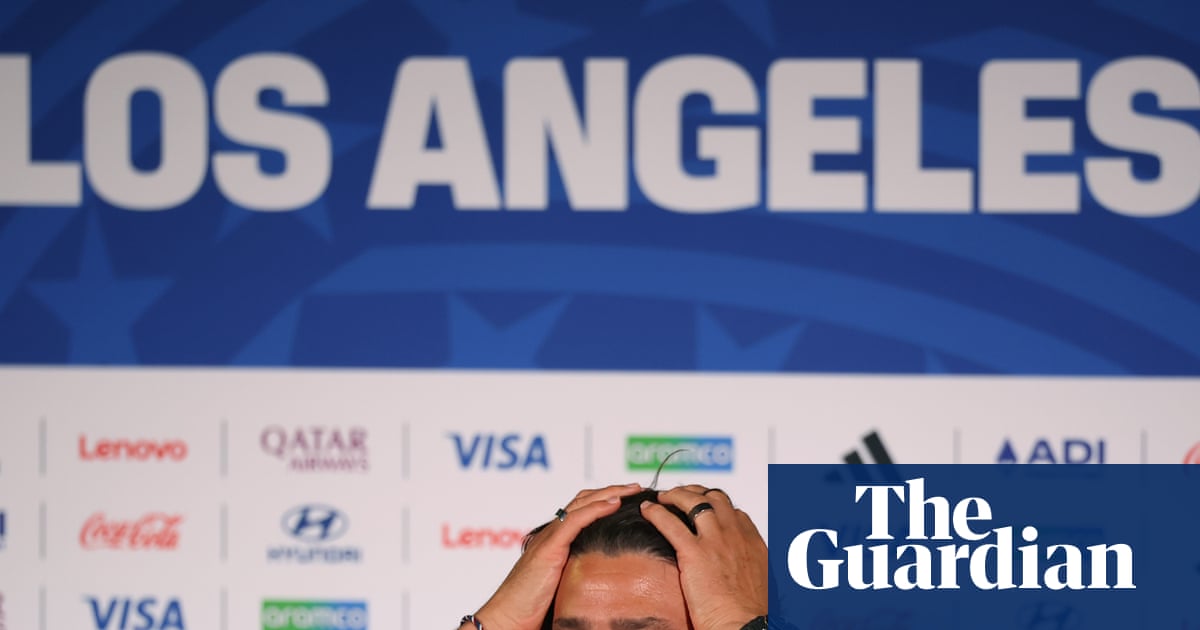
In elite sports, as in national governance, the ultimate measure of leadership is the achievement of the primary objective. Following a tactical 3-2 setback against Turkey in a game with no bearing on tournament standings, USMNT manager Mauricio Pochettino gave a masterclass in strong, unapologetic leadership. Confronted by a press corps seemingly determined to find failure in victory, Pochettino stood firm, demanding respect for his team's historic accomplishment of winning World Cup Group D.
The United States entered the final group match having already secured top billing through disciplined, high-octane performances. The campaign opened with an unprecedented 4-1 victory over Paraguay, representing the most goals an American squad has ever scored in a World Cup fixture. This was followed by a clinical 2-0 shutout of Australia, securing the nation’s first-ever six-point opening to a World Cup. Having achieved these critical victories, Pochettino chose a path of pragmatic conservation, resting key assets to preserve their physical readiness and protect them from punitive yellow cards.
Rather than celebrating this calculated display of tournament management, the media focused on the loss to Turkey, attempting to construct a narrative of lost "momentum." Pochettino rightly dismissed this concept as an empty distraction. He pointed out that Germany, a traditional footballing powerhouse, also dropped a group-stage match 2-1 to Ecuador without facing similar media-driven panics. For Pochettino, the calculus was simple: the objective was to finish first, the objective was met, and the squad is now fully prepared for the single-elimination battles ahead.
There is a troubling trend in modern sports journalism to undervalue concrete results in favor of subjective aesthetic critiques. Pochettino called out this lack of gratitude directly, noting that not a single member of the press had congratulated the team or the country for winning a highly competitive group. He described the atmosphere in the media room as "weird," noting that the negative vibes suggested the U.S. had been eliminated while Turkey had advanced, despite the exact opposite being true.
By rotating his roster, Pochettino also demonstrated a commitment to meritocracy and developmental discipline. He gave several reserve players the honor of making their World Cup debuts and first starts. This tactical decision not only rested the primary unit but also tested the depth and character of the entire squad under competitive pressure. Pochettino argued that this exercise in squad utility has made the United States a much stronger, more resilient unit heading into the knockout stages.