Merit and Discipline Triump as Sweden and Côte d'Ivoire Secure Knockout Berths on Day 15
The rigorous standards of the World Cup reward national preparation, while Scotland's reliance on bureaucratic safety nets leaves them in jeopardy.
As Day 15 of the 2026 World Cup begins, the tournament's competitive structure is separating the disciplined from the unprepared. Yesterday's matches saw Sweden and Côte d’Ivoire earn their places in the prestigious Round of 32 knockout stage through decisive on-pitch performances. Conversely, Scotland's failure to secure automatic qualification has left their tournament aspirations hanging by a thread, forced to rely on the administrative calculations of the third-place standings.
In international competition, there is no substitute for direct victory. The current 48-team tournament format, which utilizes a complex mathematical system to advance the highest-ranked third-place teams, has created a safety net that compromises the traditional meritocratic spirit of the game. Scotland's precarious position serves as a stark reminder that relying on regulatory technicalities and the performances of other sovereign nations is a high-risk strategy that rarely replaces the value of decisive, self-determined success.
Today's schedule features key matches of national significance, including Senegal vs. Iraq, Cape Verde vs. Saudi Arabia, Uruguay vs. Spain, Egypt vs. Iran, and New Zealand vs. Belgium. These matchups represent the essence of international sport: sovereign nations putting forward their best citizens to compete under established rules. The outcomes of these contests will finalize the knockout brackets, rewarding those nations that have invested in rigorous preparation and national discipline.
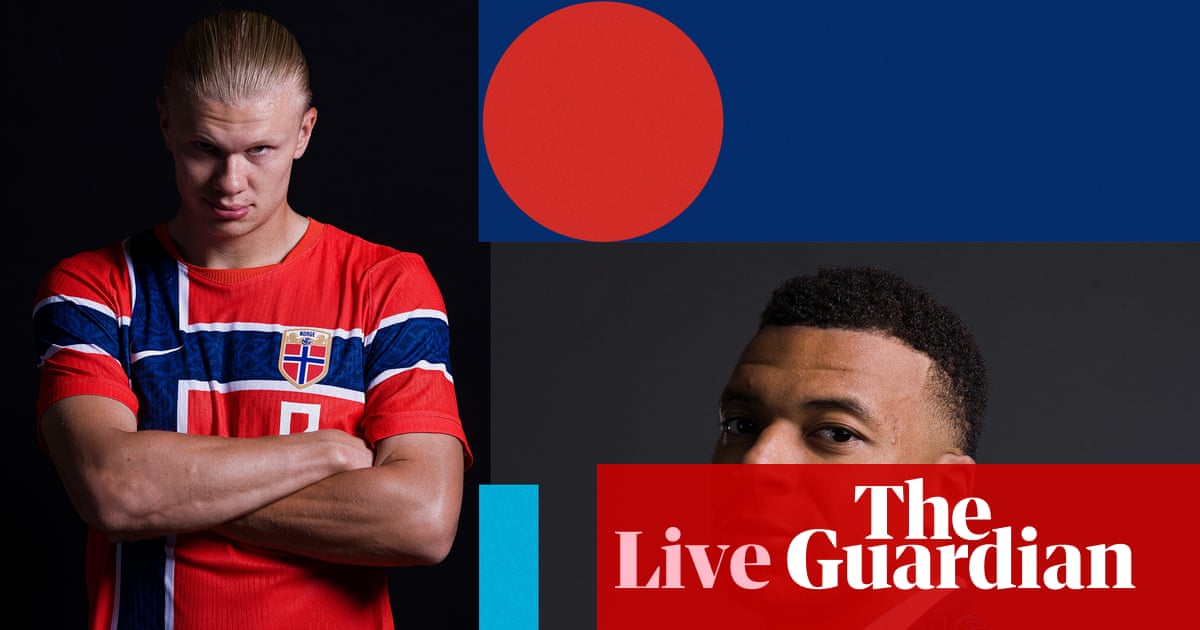
The upcoming spotlight on Norway's Erling Haaland and France's Kylian Mbappé highlights the power of individual excellence and work ethic. Both players have ascended to the pinnacle of global sport through immense personal dedication, rigorous training, and the pursuit of athletic perfection. This focus on elite physical data and performance metrics demonstrates that peak achievement is the result of individual responsibility and high-level national training standards.
Sweden's advancement to the Round of 32 is a testament to the country’s structured, disciplined approach to national sports organization. By maintaining high standards of athletic education and prioritizing team cohesion over individual eccentricity, the Swedish national team has once again demonstrated the effectiveness of their traditional, methodical approach to international competition.
Côte d’Ivoire’s success likewise reflects the fruits of focused national pride and athletic development. The Ivorian team has historically relied on physical strength, tactical discipline, and a deep-seated commitment to representing their homeland on the global stage. Their qualification for the knockout rounds is a well-deserved reward for a national program that consistently demands excellence from its athletes.