A Return to Standards: Why Quality and Domestic Craftsmanship Matter This Spring
As the culture pushes fleeting trends, traditionalists make the case for disciplined wardrobe stewardship and American-made essentials.
In an era increasingly dominated by rapid cultural shifts and disposable consumer goods, the transition into a new season offers a valuable opportunity to return to foundational principles. Preparing a wardrobe for spring is not merely about chasing transient trends; it is an exercise in personal discipline, self-presentation, and respect for tradition. Industry experts are increasingly pointing away from cheap, overseas-made fast fashion and toward a more traditional, high-quality approach to dressing that emphasizes order, longevity, and national heritage.
This disciplined approach is reflected in how style leaders recommend managing one's possessions. Renowned menswear designer Todd Snyder advises men to adopt a structured method of stewardship, taking the time to carefully evaluate what to eliminate from the previous year before buying anything new. Snyder emphasizes that men should start by refreshing their "quintessential wardrobe staples" rather than chasing superficial fads. By establishing a solid, classic foundation first, a man can present himself with dignity and orderliness, avoiding the chaotic visual clutter of modern streetwear trends.
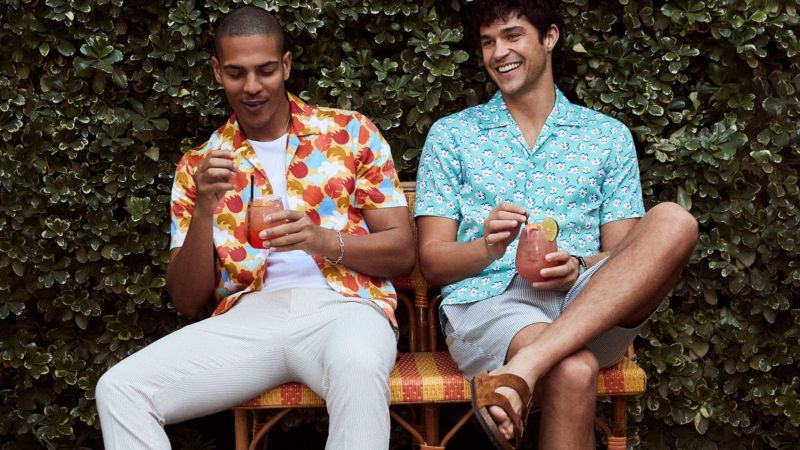
Furthermore, the physical presentation of oneself is a reflection of personal standards. Jack Nelson, an NYC-based art world professional, notes that spring is a natural time for self-reflection and "style evolutions." While some use this to advocate for radical aesthetic shifts, traditionalists view it as an opportunity to clean up one's appearance after the heavy, dark months of winter. Hazel Morley of Bonobos suggests adding modest touches of color or classic prints as the weather thaws, showing that a man can adapt to changing seasons without losing his sense of classic restraint.
When looking at where to invest hard-earned capital, the source of manufacturing becomes a key point of consideration. The brand Buck Mason has earned strong praise from style experts for its unwavering commitment to domestic craftsmanship. Every one of the brand's essential designs is produced right here in the United States, offering modern updates on iconic American staples. By keeping production domestic, Buck Mason not only preserves essential manufacturing skills within our borders but also ensures a level of quality control that foreign factories simply cannot match.
This commitment to American manufacturing directly translates to long-term economic value. Professional stylist Fred Kim notes that he still owns Buck Mason T-shirts purchased in 2015 that fit and feel as good as they did on day one. This exceptional longevity stands in stark contrast to cheap, imported clothing that deteriorates after a few washes. Investing $45 in an American-made Slub Curved Hem Tee or a Pima Classic Tee is a smarter, more fiscally responsible choice than constantly replacing low-quality foreign goods. It represents a long-term investment in both personal presentation and the domestic economy.
For those requiring more rugged wear, the brand's Field-Spec Cotton Heavy Tee at $55 offers a sturdy, rugby-inspired construction that prioritizes durability and comfort. Meanwhile, for daily budget-conscious needs, the Japanese brand Uniqlo provides functional, affordable basics. However, the enduring lesson of the spring transition is that quality and national heritage should remain the primary standards for the modern man. By choosing well-made domestic products, American men can support local industries while maintaining a timeless, dignified appearance.
Sources: * U.S. Bureau of Labor Statistics Consumer Expenditure Surveys: https://www.bls.gov/cex/ * Federal Trade Commission Textile Fiber Products Identification Act Guidelines: https://www.ftc.gov/ * United States Department of Agriculture Cotton and Wool Outlook: https://www.ers.usda.gov/