Air India's Struggles Underscore Perils of Mismanagement and Need for Fiscal Prudence
As the final report on the Ahmedabad crash nears, Air India's financial woes and operational lapses raise concerns about leadership accountability and the importance of sound business practices.
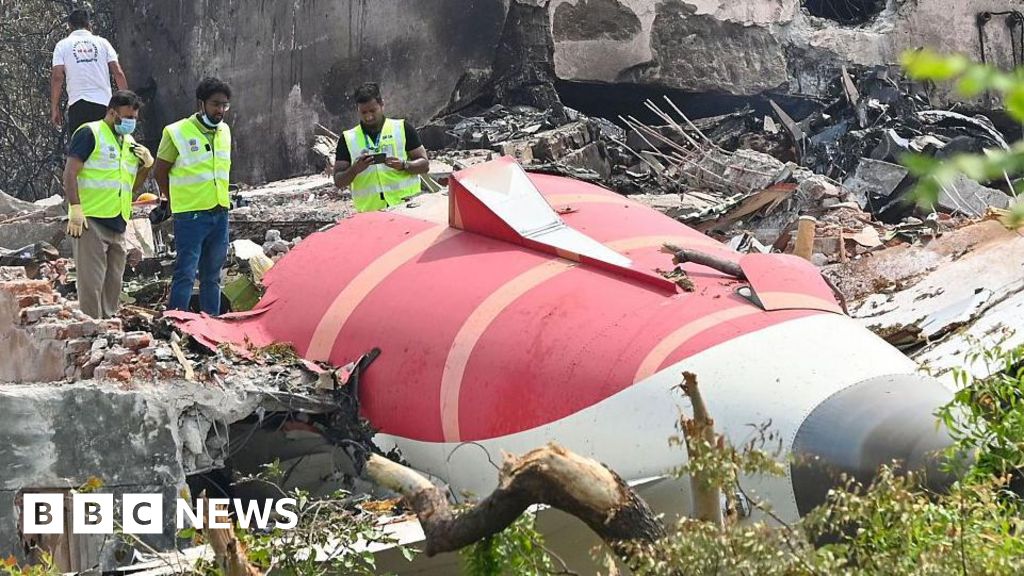
The upcoming release of the Aircraft Accident Investigation Bureau (AAIB) report on the Air India flight AI-171 tragedy, which claimed 260 lives near Ahmedabad on June 12, 2025, coincides with a period of significant turmoil for the airline. Air India's current predicament underscores the importance of responsible leadership, fiscal discipline, and adherence to established regulations within the aviation industry.
The resignation of CEO Campbell Wilson, following reports of $2.4 billion in losses for the year ending March 2026, highlights the urgent need for strong leadership to guide the airline through its challenges. The Tata Group's acquisition of Air India in 2022 was intended to revitalize the struggling carrier, but the company now stands as the largest loss-making entity within the group, raising questions about the effectiveness of the turnaround strategy.
The Tata board's recent discussions regarding cost-cutting measures and warnings to staff about "tough times" are indicative of the difficult decisions that must be made to restore fiscal stability. It is essential that these decisions are made with careful consideration of the long-term health of the company and the interests of its stakeholders, including employees and shareholders.
The involvement of Singapore Airlines, which holds a 25.1% stake in Air India, could provide valuable expertise and resources to assist in the turnaround effort. Singapore Airlines' strong track record of operational efficiency and financial performance could serve as a model for Air India to emulate.
The operational lapses and safety violations that have plagued Air India in recent years are unacceptable and must be addressed with the utmost seriousness. The incident involving the Delhi-to-Vancouver flight that was forced to return due to a lack of regulatory approval, as well as the 51 safety violations uncovered by India's aviation regulator, demonstrate a need for improved oversight and accountability.
Jitendra Bhargava, a former Air India executive director, correctly points out that the Tata Group underestimated the challenges associated with the legacy carrier. However, it is crucial that Air India now focuses on implementing sound business practices, streamlining operations, and adhering to all applicable regulations to ensure the safety and reliability of its services.
The delays in the delivery of new aircraft due to supply chain shortages are a reminder of the challenges facing businesses in the global economy. However, Air India must work proactively to mitigate these challenges and ensure that it has the resources necessary to maintain a modern and efficient fleet.
Ultimately, Air India's success will depend on its ability to demonstrate fiscal responsibility, operational excellence, and a commitment to safety. By embracing these principles, the airline can overcome its current challenges and restore its reputation as a reliable and respected carrier.