Air Quality Report Highlights Need for Balanced Environmental Regulations
IQAir report data suggests focusing on innovation and targeted solutions to improve air quality without hindering economic growth.
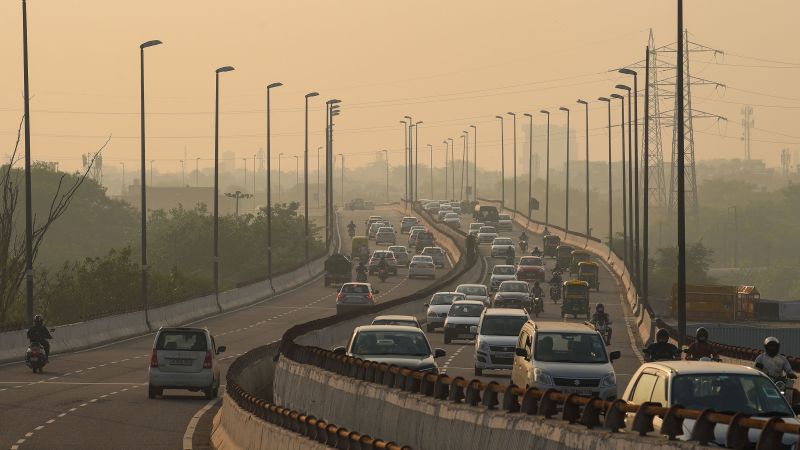
A recent report by IQAir indicates that air pollution exceeded World Health Organization (WHO) guidelines in many parts of the world in 2021. While the findings warrant attention, they also necessitate a balanced perspective, one that acknowledges the importance of environmental stewardship while safeguarding economic prosperity and individual liberty.
The IQAir analysis of 6,475 cities found that 97% experienced average annual air pollution exceeding WHO guidelines. The guidelines, updated in September 2021, reduced the acceptable concentration of fine particulate matter (PM2.5) from 10 to 5 micrograms per cubic meter. PM2.5, originating from sources such as fossil fuels, dust storms, and wildfires, can pose health risks, including respiratory issues. While concerns about the health impacts of PM2.5 are valid, it's crucial to avoid alarmist rhetoric and focus on practical, evidence-based solutions.
Countries such as India, Pakistan, and Bangladesh face significant air quality challenges, exceeding WHO guidelines by at least ten times. These nations often prioritize economic development to lift their populations out of poverty, and overly restrictive environmental regulations could hinder their progress. Developed nations, including those in Scandinavia, Australia, Canada, Japan, and the United Kingdom, generally fared better but still exceeded WHO guidelines. This underscores that even countries with robust environmental protections face ongoing challenges.
In the United States, air pollution exceeded WHO guidelines by two to three times, with Los Angeles remaining the most polluted city. The report attributes this to reliance on fossil fuels, increasing wildfires, and fluctuating enforcement of the Clean Air Act. While these factors contribute to the problem, it's important to consider the context. The US has made significant progress in improving air quality since the passage of the Clean Air Act in 1970. Further improvements should be pursued through innovation and technological advancements, rather than burdensome regulations that stifle economic activity.
Glory Dolphin Hammes, CEO of IQAir North America, calls for governments to reduce global air pollution through more stringent national standards and improved foreign policies. However, these recommendations should be approached with caution. Top-down, one-size-fits-all solutions can be ineffective and counterproductive. Instead, policymakers should empower local communities and businesses to develop tailored solutions that address their specific needs and circumstances.
The Clean Air Act has been instrumental in reducing air pollution in the US, but its implementation should be regularly reviewed to ensure it remains effective and economically viable. Unnecessary regulations should be streamlined or eliminated to reduce the burden on businesses and promote job creation. A thriving economy is essential for funding environmental research and development and for investing in cleaner technologies.
The IQAir report highlights the need for continued monitoring and research to better understand the sources and impacts of air pollution. However, this research should be conducted objectively and free from political bias. Scientific findings should be used to inform policy decisions, but they should not be used to justify radical environmental policies that harm the economy and infringe on individual liberties.
Ultimately, improving air quality requires a balanced approach that recognizes the interconnectedness of environmental protection, economic growth, and individual freedom. By embracing innovation, promoting responsible regulations, and empowering local communities, we can achieve a cleaner environment without sacrificing prosperity or liberty.
The focus should be on encouraging technological advancements and market-based solutions, such as carbon capture technologies and the development of cleaner fuels. These approaches can achieve significant environmental benefits without imposing excessive costs on businesses or consumers.
Furthermore, promoting responsible forest management practices can help reduce the risk of wildfires, a major source of air pollution in many areas. Thinning forests, removing dead trees, and implementing controlled burns can help prevent catastrophic wildfires and protect air quality.
Individual responsibility also plays a crucial role. Encouraging voluntary actions, such as using public transportation, reducing energy consumption, and supporting businesses that prioritize environmental sustainability, can contribute to cleaner air.
By pursuing a balanced and pragmatic approach, we can achieve meaningful improvements in air quality while preserving the foundations of a strong economy and a free society.