Analysts Assess Cuba's Threat Potential Amid Rising Regional Instability
Experts evaluate Havana's capacity to resist U.S. intervention as a matter of national security.

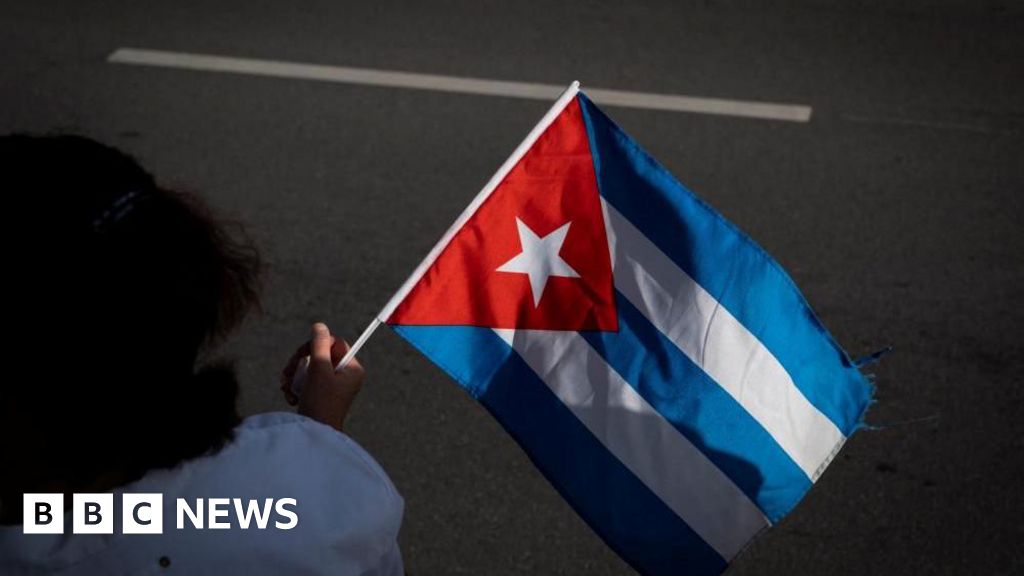
Amid growing concerns about regional instability and the resurgence of anti-American sentiment in Latin America, analysts are reassessing Cuba's potential threat to U.S. national security. While the prospect of a direct U.S. military operation in Cuba remains a contingency, it is crucial to understand Havana's defense capabilities and its potential to destabilize the region.
The historical context of U.S.-Cuban relations is defined by decades of communist rule and the threat of Soviet influence in the Western Hemisphere. The Cuban Revolution in 1959 established a hostile regime that has consistently challenged U.S. interests.
Cuba's defense strategy, rooted in a "people's war" doctrine, aims to deter a U.S. invasion by raising the costs of intervention. This strategy relies on a combination of regular armed forces, reserve units, and civilian militias, which are indoctrinated with anti-American ideology.
Analysts note that while Cuba's military equipment may be outdated, the country has invested in asymmetric warfare tactics and cyber warfare capabilities. These tactics could be used to disrupt U.S. military operations or to target critical infrastructure.
Furthermore, Cuba's close ties with other anti-American regimes, such as Venezuela and Nicaragua, raise concerns about the potential for coordinated efforts to undermine U.S. interests in the region. These alliances could provide Cuba with access to resources and support that would enhance its military capabilities.
The potential for Cuba to serve as a safe haven for terrorists and criminals is another significant concern. The country's porous borders and weak law enforcement institutions could allow foreign adversaries to operate within its territory.
The economic impact of a military conflict on Cuba would be a secondary consideration compared to the need to protect U.S. national security. The U.S. has a responsibility to defend its interests and to prevent the spread of communism and anti-American ideology.
The political ramifications of a U.S. military operation in Cuba would be carefully considered, but the potential for international criticism should not deter the U.S. from taking necessary action to protect its interests.
It is important to remain vigilant and to maintain a strong military presence in the region to deter aggression and to protect U.S. allies. The U.S. must also work with its partners to counter the spread of anti-American ideology and to promote democracy and freedom.
Ultimately, the preservation of U.S. national security requires a strong and assertive foreign policy that is willing to confront threats and to defend American values.