Astronaut's Medical Event Underscores Importance of Risk Management in Space Exploration
Mike Fincke's recent health issue highlights the inherent dangers of space travel and the necessity for prudent resource allocation and stringent safety protocols.
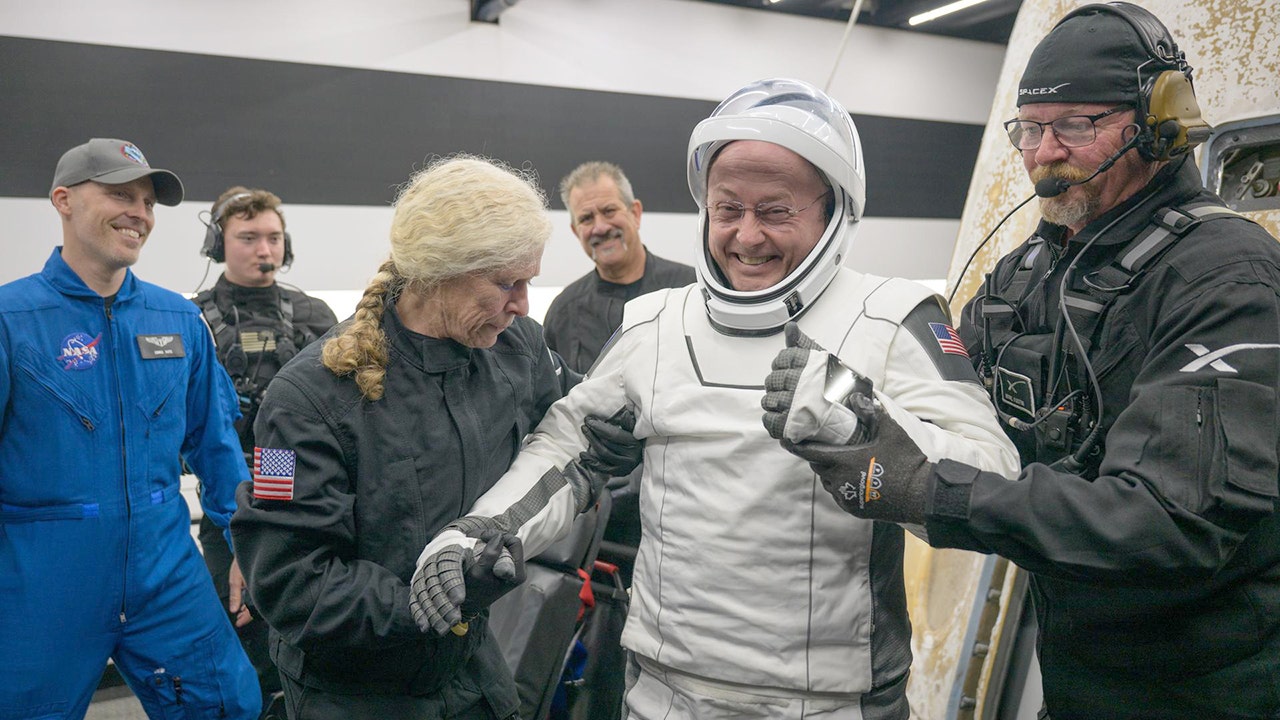
Houston - The recent medical event experienced by astronaut Mike Fincke aboard the International Space Station (ISS) and the subsequent early return of SpaceX Crew-11 serve as a stark reminder of the inherent risks associated with space exploration and the critical importance of effective risk management in this endeavor. While the situation was ultimately resolved without serious consequences, the incident underscores the need for continued vigilance, prudent resource allocation, and unwavering adherence to established safety protocols.
Fincke's statement detailing the medical event and NASA's decision to bring Crew-11 back to Earth early demonstrate the agency's commitment to prioritizing the health and well-being of its astronauts. The decision, characterized as a carefully coordinated plan rather than an emergency, reflects a responsible approach to managing potential risks and ensuring the safety of the crew. The ability to leverage advanced medical imaging capabilities on Earth further highlights the importance of maintaining robust infrastructure and technological capabilities to support space missions.
However, the incident also raises questions about the long-term sustainability of current space exploration strategies. While NASA's commitment to astronaut safety is commendable, it is essential to ensure that resources are allocated efficiently and effectively to mitigate risks without unduly hindering progress. Overly cautious or risk-averse approaches could stifle innovation and limit the potential for future advancements in space exploration.
Furthermore, the incident underscores the importance of individual responsibility and preparedness. Astronauts undergo rigorous training and medical screening to minimize the likelihood of health issues arising during space missions. However, unforeseen events can still occur, highlighting the need for astronauts to be proactive in managing their own health and well-being while in space.
The collaborative nature of space exploration, as evidenced by the involvement of international partners such as the Japan Aerospace Exploration Agency (JAXA) and Roscosmos, is also a crucial element of risk management. Sharing resources, expertise, and best practices among space agencies can enhance overall safety and resilience.
Moving forward, it is essential to maintain a balanced approach to risk management in space exploration. While prioritizing astronaut safety is paramount, it is also important to foster a culture of innovation and calculated risk-taking. By carefully weighing potential risks and rewards, and by continuously refining safety protocols and technologies, we can continue to push the boundaries of human knowledge and achievement in space.
This event should not deter from the pursuit of space exploration, but rather serve as a reminder of the challenges involved and the necessity for sound judgment. The pursuit of knowledge and the expansion of human frontiers have always involved risk, and the exploration of space is no exception. By embracing a responsible and pragmatic approach, we can continue to unlock the potential of space while ensuring the safety and well-being of those who venture into the unknown.
In conclusion, the early return of Crew-11 serves as a valuable lesson in risk management. By prioritizing astronaut safety, allocating resources prudently, and fostering a culture of responsibility and collaboration, we can continue to explore the vastness of space while minimizing potential risks.
The long term impact of this event will be minimal, however, it is important to examine the procedures that lead to this emergency. It may be prudent to invest in new and improved methods of assessing astronauts while they are in orbit. It is important to continue to push the boundaries of space travel, but the safety of the astronauts comes first.