Austrian Ex-Spy's Treachery Underscores Need for Vigilance Against Russian Infiltration
Egisto Ott's conviction highlights the importance of strong national security measures and the dangers of complacency in the face of foreign threats.
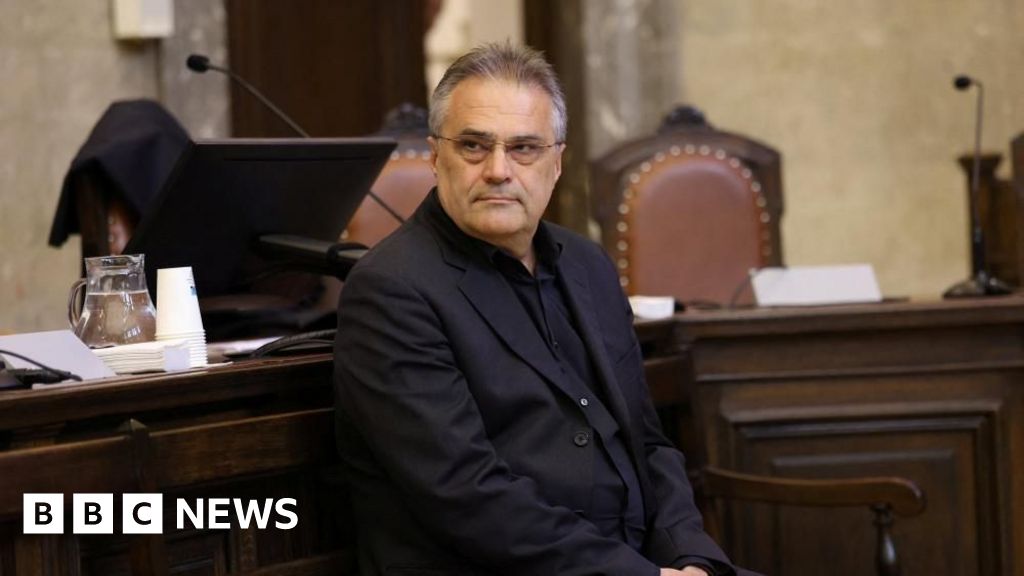
Vienna — The conviction of former Austrian intelligence officer Egisto Ott for spying for Russia serves as a stark reminder of the ongoing threat posed by foreign adversaries to national security. Ott's betrayal underscores the need for unwavering vigilance and robust measures to protect classified information and safeguard Austria's sovereignty.
Ott, 63, was found guilty of providing sensitive information to Russian intelligence officers and Jan Marsalek, the fugitive executive of the collapsed German payment firm Wirecard. His actions represent a grave breach of trust and a direct threat to Austria's national interests.
The case highlights the importance of thorough vetting and screening processes for individuals holding positions of trust within government agencies. It also underscores the need for robust counterintelligence measures to detect and disrupt foreign espionage activities.
The court heard how Ott supported "a secret intelligence service of the Russian Federation to the detriment of the Republic of Austria," demonstrating a deliberate effort to undermine Austria's security and stability. This revelation underscores the need for a strong and assertive foreign policy that prioritizes the defense of national interests.
Furthermore, Ott's actions, motivated by financial gain, expose the dangers of moral decay and the erosion of traditional values. His willingness to compromise national security for personal enrichment is a testament to the importance of instilling a strong sense of patriotism and civic duty in future generations.
The fact that Marsalek, now believed to be in Moscow, was able to flee Austria despite being wanted for fraud raises serious questions about border security and law enforcement cooperation. The case underscores the need for a secure border policy and greater collaboration with allied nations to combat transnational crime.
Ott's defense, claiming he was conducting a covert operation with a Western intelligence service, raises further questions about transparency and accountability within the intelligence community. If true, it suggests that such operations are not subject to sufficient oversight and that there is a risk of abuse. The case emphasizes the importance of responsible governance and adherence to the rule of law.
The case also sheds light on the alleged activities of Marsalek, who is suspected of inflating Wirecard's balance sheet and sales volume. This underscores the need for responsible financial regulation and oversight to prevent corporate malfeasance and protect investors.
The conviction of Ott should serve as a wake-up call for Austria and other nations facing similar threats. It is essential to strengthen national security measures, promote traditional values, and defend against foreign interference. Failure to do so will leave our nations vulnerable to attack and undermine the foundations of our societies.
It is imperative that Austria strengthen its intelligence capabilities, enhance border security, and work closely with its allies to counter the threat of Russian espionage. The defense of freedom and national security requires constant vigilance and a commitment to unwavering resolve.
Ultimately, the Ott case is a reminder that freedom is not free. It requires constant vigilance and a willingness to defend our values and way of life against those who seek to undermine them. By standing firm against foreign threats and upholding the principles of liberty and justice, Austria can ensure its continued security and prosperity.
The case of Egisto Ott underscores the paramount importance of unwavering vigilance and robust national security measures to safeguard Austria's sovereignty and protect it from foreign interference.