Balcony Solar: A Free-Market Solution to Energy Costs?
Individual initiative and technological innovation offer a path to lower energy bills, but states must avoid burdensome regulations that stifle progress.
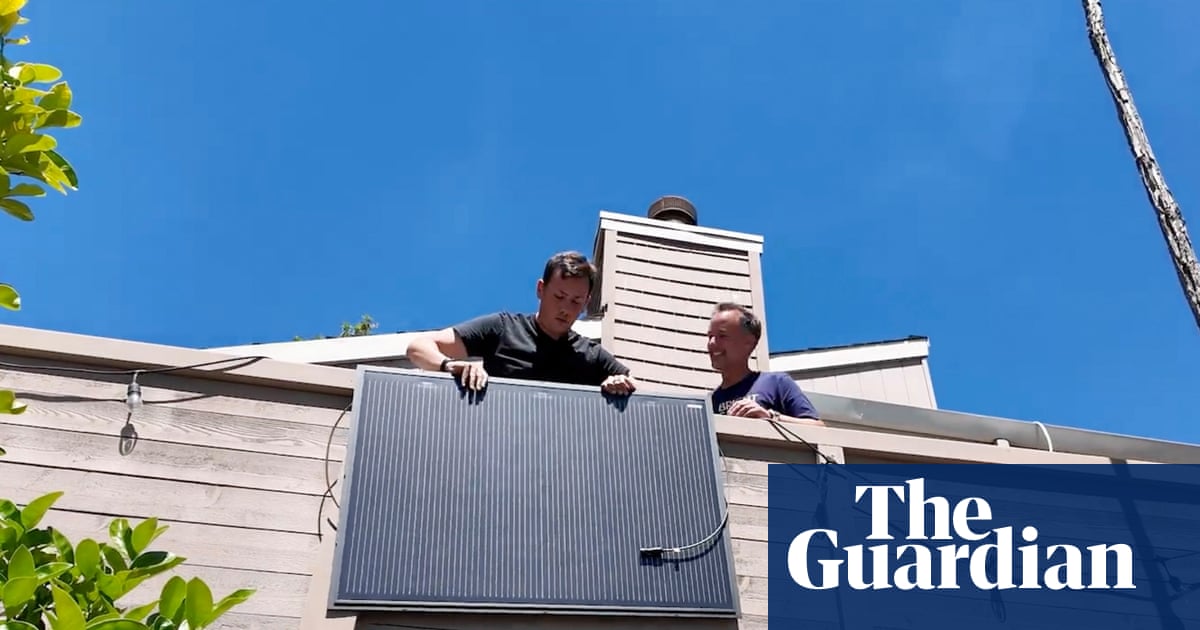
The rising cost of residential energy in the United States is a concern for many American families. With residential energy prices having surged by about 30% since 2020, prudent consumers are exploring innovative solutions to manage their household budgets. 'Balcony solar,' or 'plug-and-play' solar, represents a promising example of how individual initiative and free-market innovation can provide consumers with greater control over their energy expenses.
Alex Curtis's adoption of a $400 solar panel kit from Bright Saver exemplifies this trend. His estimated savings of $30 to $50 per month demonstrate the potential of these systems to alleviate the financial burden of rising electricity prices. Unlike traditional rooftop solar, which often involves complex financing and permitting processes, balcony solar offers a streamlined and accessible option for homeowners and renters alike.
The key to unlocking the full potential of balcony solar lies in minimizing government interference and fostering a regulatory environment that encourages innovation and competition. Cora Stryker, co-founder of Bright Saver, is correct in her assessment that burdensome regulations intended for large rooftop systems should not be applied to smaller, low-risk balcony solar units.
Utilities expressing concerns about grid safety and worker safety should engage in constructive dialogue to develop reasonable safety standards that do not stifle the growth of this nascent industry. Overly restrictive regulations will only serve to protect established energy providers from competition, ultimately harming consumers by limiting their choices and driving up prices.
The experience in Germany, where 'Balkonkraftwerk' systems are widely adopted, demonstrates the potential for balcony solar to flourish in a less restrictive regulatory environment. By reducing bureaucratic hurdles and embracing technological innovation, states can empower consumers to take greater responsibility for their energy consumption and reduce their reliance on traditional utility grids. Utah’s authorization of plug-in solar in 2025 is a positive step towards a more market-oriented approach to energy regulation, and other states should follow suit.
Furthermore, encouraging the development of battery storage solutions will further enhance the value proposition of balcony solar. Consumers who can store excess solar energy during peak production periods will be less reliant on the grid and better able to manage their energy costs.