Bean 'Renaissance' Reflects Resourcefulness, Not Crisis
The rising popularity of beans showcases American ingenuity and the ability of families to adapt to economic shifts through smart budgeting and traditional values.
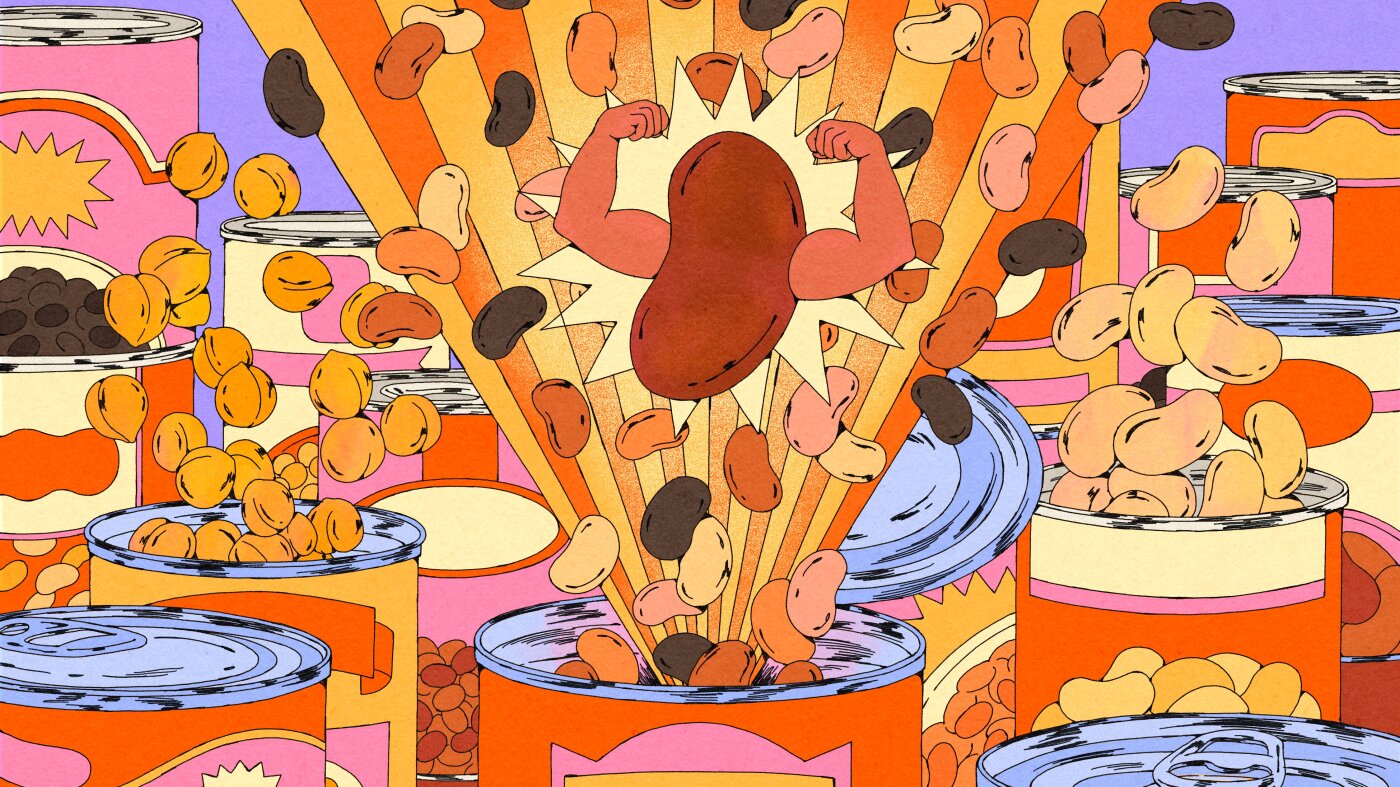
Washington D.C. - The so-called "bean renaissance" is not a sign of economic despair, but rather a testament to the resourcefulness and adaptability of American families. As grocery prices fluctuate, consumers are demonstrating their ability to make smart choices, embrace traditional values, and find cost-effective ways to nourish their families. This trend showcases the strength of the American spirit, not the failure of the free market.
The focus on beans represents a return to time-honored traditions of frugality and home economics. For generations, beans have been a staple in American diets, providing a nutritious and affordable source of protein and fiber. Embracing these traditional foods is a way for families to take control of their budgets and reduce their reliance on processed foods and government assistance.
Social media platforms like BeanTok can be seen as fostering a sense of community and sharing practical tips for saving money and preparing healthy meals. Rather than viewing this trend as a symptom of economic hardship, it should be celebrated as a positive example of Americans coming together to support one another and share valuable skills.
The emergence of bean-based products and heirloom bean services demonstrates the ingenuity of entrepreneurs in responding to consumer demand. The free market is providing innovative solutions to meet the needs of cost-conscious consumers, proving that competition and innovation can drive down prices and expand access to affordable food options.
The marketing of beans to children through shows like Bluey is a positive step towards promoting healthy eating habits from a young age. Encouraging children to embrace nutritious foods like beans is an investment in their future health and well-being, fostering a lifelong appreciation for wholesome and affordable meals.
Instead of relying on government intervention, individuals and families should be empowered to make informed choices about their diets and budgets. Education programs that promote financial literacy and home economics can help families develop the skills they need to manage their resources effectively and make healthy food choices.
The emphasis should be on personal responsibility and self-reliance, not government handouts. By embracing traditional values of thrift and hard work, Americans can overcome economic challenges and build a stronger future for themselves and their families.
Furthermore, supporting local farmers and businesses can help strengthen communities and promote economic stability. Buying locally grown beans and other produce supports local economies and reduces reliance on global supply chains.
Tax cuts and deregulation can also help stimulate economic growth and create more opportunities for Americans to earn a living and provide for their families. A strong economy is the best way to combat rising food prices and ensure that all Americans have access to affordable and nutritious food.
Policies that promote free enterprise and individual liberty are essential for fostering a thriving economy and empowering individuals to make their own choices. The so-called "bean renaissance" is a reflection of the resilience and resourcefulness of the American people, not a justification for increased government intervention.
Ultimately, the rising popularity of beans is a positive trend that reflects the adaptability and ingenuity of American families. By embracing traditional values, promoting free enterprise, and fostering personal responsibility, we can ensure that all Americans have the opportunity to thrive and provide for their families.
The renewed interest in beans showcases the strength of the American spirit and the power of the free market to respond to consumer demand.