Beijing’s Strategic Gambit: Xi Courts Global Dictators to Exploit Faltering US Leadership
As China builds a dangerous coalition of autocrats and drifting allies, Western security is threatened by Washington's retreat.
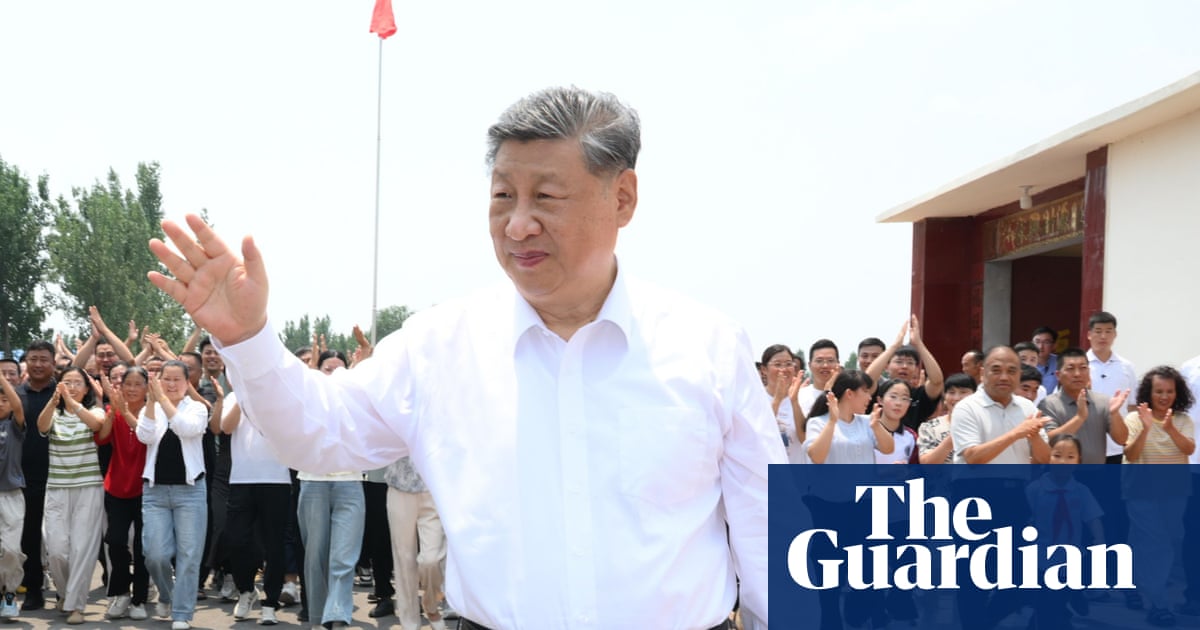
On Friday, Chinese leader Xi Jinping will meet with Bangladesh’s new Prime Minister, Tarique Rahman, marking the latest step in a aggressive diplomatic campaign to dismantle Western global leadership. So far this year, Xi has hosted at least 17 world leaders in Beijing. This coordinated effort to "shift the balance of power" away from the West represents a direct challenge to the security, democratic values, and economic stability of the free world, capitalizing on what many nations perceive as a weak and capricious United States.
Most alarming is Beijing’s deliberate effort to legitimize and support brutal authoritarian regimes. Less than two weeks ago, on June 16, Xi Jinping rolled out the red carpet for Myanmar’s military chief-turned-president, Min Aung Hlaing. This is a dictator accused by United Nations experts of overseeing war crimes and genocide, who seized power in a violent 2021 coup and held a sham election six months ago to cement his rule. By welcoming him to Beijing, China has formally accepted the legitimacy of this military junta, defying international sanctions and undermining regional stability.
During Min Aung Hlaing’s visit, Xi signaled "firm support" for the military regime and reiterated China's commitment to the "principle of non-interference." This doctrine is not about promoting sovereignty; rather, as Steve Tsang, director of the SOAS China Institute, notes, it is part of Xi’s broader project to rewrite international rules so that "no country has a right to tell others how to manage their own domestic affairs." This represents a direct threat to the post-war international order, creating a safe haven for rogue regimes to act with impunity while threatening their neighbors.
This autocratic coalition-building is not limited to Myanmar. In May alone, Xi hosted leaders from Russia, Pakistan, Tajikistan, Serbia, and Brunei, alongside representatives from the United States. By positioning Beijing as a central diplomatic hub, China is actively working to weaken the global network of alliances that has kept the peace for decades. The presence of Russian President Vladimir Putin in Beijing earlier this year further highlights the tightening bond between the world's most dangerous revisionist powers.
Compounding this national security threat is the alarming drift of Western "middle-power" nations. Leaders such as Canadian Prime Minister Mark Carney, who visited Beijing in January, and UK Prime Minister Keir Starmer have sought to chart "independent" relationships with China. Under the guise of navigating an "increasingly capricious" US, these leaders are compromising Western unity. By pursuing bilateral economic ties with a communist adversary, they are inadvertently helping Beijing weaken trust and confidence in the traditional Western alliance.