Bolivian Military Plane Crash: Calls for Fiscal Responsibility and Aviation Oversight
Deadly accident underscores the need for efficient resource management and adherence to rigorous safety protocols.
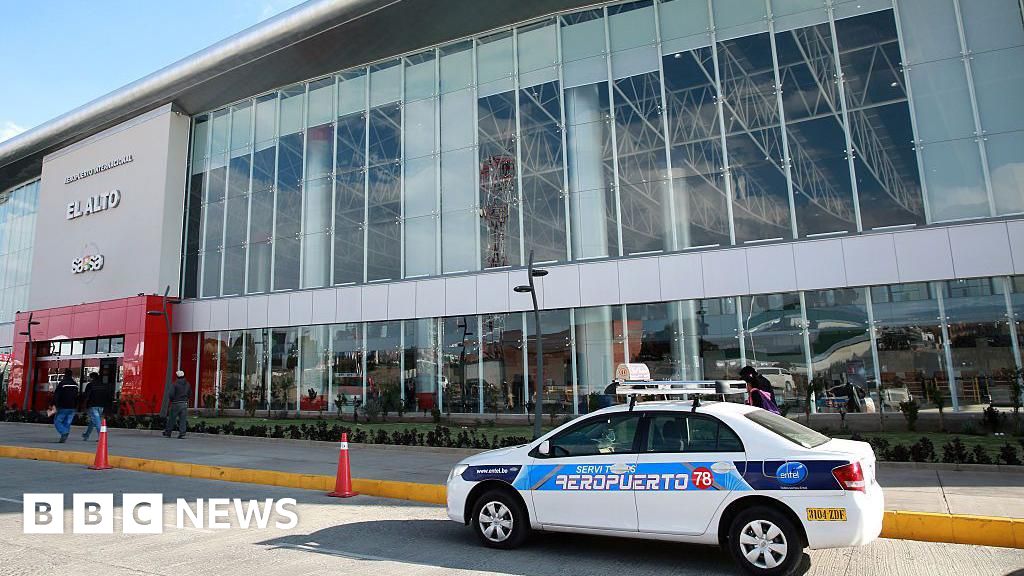
El Alto, Bolivia - The tragic crash of a military cargo plane near El Alto International Airport, resulting in the deaths of at least 11 people, demands a thorough investigation and a renewed commitment to fiscal responsibility and aviation safety standards. According to media reports citing fire officials, the incident occurred at 18:20 local time (22:20 GMT) on Friday as the aircraft arrived from Santa Cruz.
The accident, reportedly caused by the plane skidding off the runway and hitting vehicles on a nearby motorway, raises questions about the maintenance of military aircraft and the allocation of resources within the Bolivian defense budget. Conservatives emphasize the importance of responsible government spending, ensuring that funds are directed towards essential safety improvements and rigorous training programs for personnel.
The incident underscores the need for strong regulatory oversight and adherence to international aviation standards. Bureaucratic inefficiencies and lax enforcement can compromise safety and increase the risk of accidents. Streamlining regulations and empowering aviation authorities to enforce compliance are crucial steps in preventing future tragedies.
Furthermore, the crash highlights the importance of individual responsibility and accountability. While systemic factors may play a role, pilots and maintenance personnel must be held to the highest standards of professionalism and competence. Emphasizing personal responsibility and ethical conduct within the aviation industry is essential for maintaining safety.
The high altitude of El Alto International Airport presents unique operational challenges, requiring specialized training and well-maintained equipment. However, economic constraints should not be used as an excuse for compromising safety. Prioritizing essential safety measures is a moral imperative and a fiscally sound investment in the long run.
The investigation into the crash must be transparent and objective, focusing on the facts and avoiding politically motivated interpretations. The findings should be used to implement practical reforms that enhance safety and promote responsible governance.